American cities are rethinking how they build transit. Over 160 miles of new rail, bus, and other fixed-guideway transit opened across the US in 2025. This year, another 94 miles are coming online—and the strategy behind them reveals something important: cities are choosing speed and affordability over the prestige of light rail.
The shift is practical. Light rail systems cost far more to build and maintain, and many US cities simply can't sustain that investment. Bus rapid transit (BRT)—dedicated bus lanes with their own traffic signals and stations—delivers similar benefits at a fraction of the price. "Over the past decade, cities have been reorienting their investment approaches," says Yonah Freemark, a researcher at the Urban Institute who tracks transit openings. "Light rail is just very expensive for these cities, and they're not finding the mechanism to reduce that."
What's actually opening this year
Atlanta is building a 3.1-mile BRT line from downtown to the Atlanta BeltLine, a project that will finally connect the city's sprawling neighborhoods to its popular parks and cultural corridor. Baton Rouge is completing a 9.3-mile arterial rapid transit line that stitches the north and south sides of the city together—a connection that's been missing for decades. Seattle is pushing forward with a 7.5-mile light rail extension across Lake Washington, one of the few major rail projects still underway in the US.
We're a new kind of news feed.
Regular news is designed to drain you. We're a non-profit built to restore you. Every story we publish is scored for impact, progress, and hope.
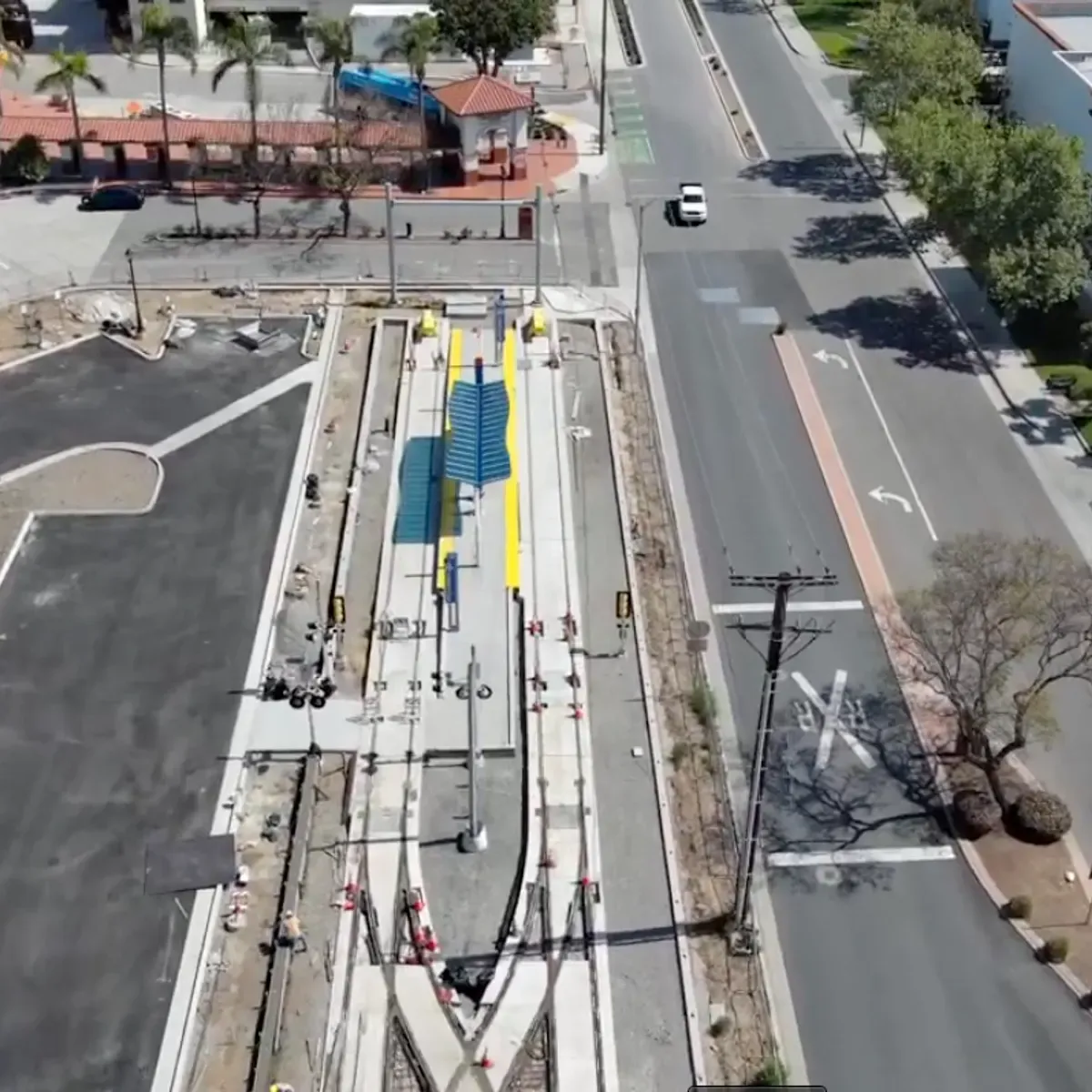
Start Your News DetoxOrange County, California is adding a 4-mile streetcar line between Santa Ana and Garden Grove, while Kansas City is extending its streetcar line by 0.7 miles to Berkeley Riverfront Park. These aren't flashy projects, but they're real infrastructure that will move people.
The contrast with Canada is striking. Montreal, Ottawa, and Toronto continue building out light rail networks at rapid pace—a choice made possible by stronger federal funding and different cost structures. The US approach is more constrained, but it's also more pragmatic. A bus rapid transit line that opens on schedule and within budget serves riders better than a delayed or half-finished rail project.
The real question isn't whether these projects are "revolutionary." It's whether they actually get built, and whether they change how people move through their cities. That answer comes next year when these 13 projects open their doors.