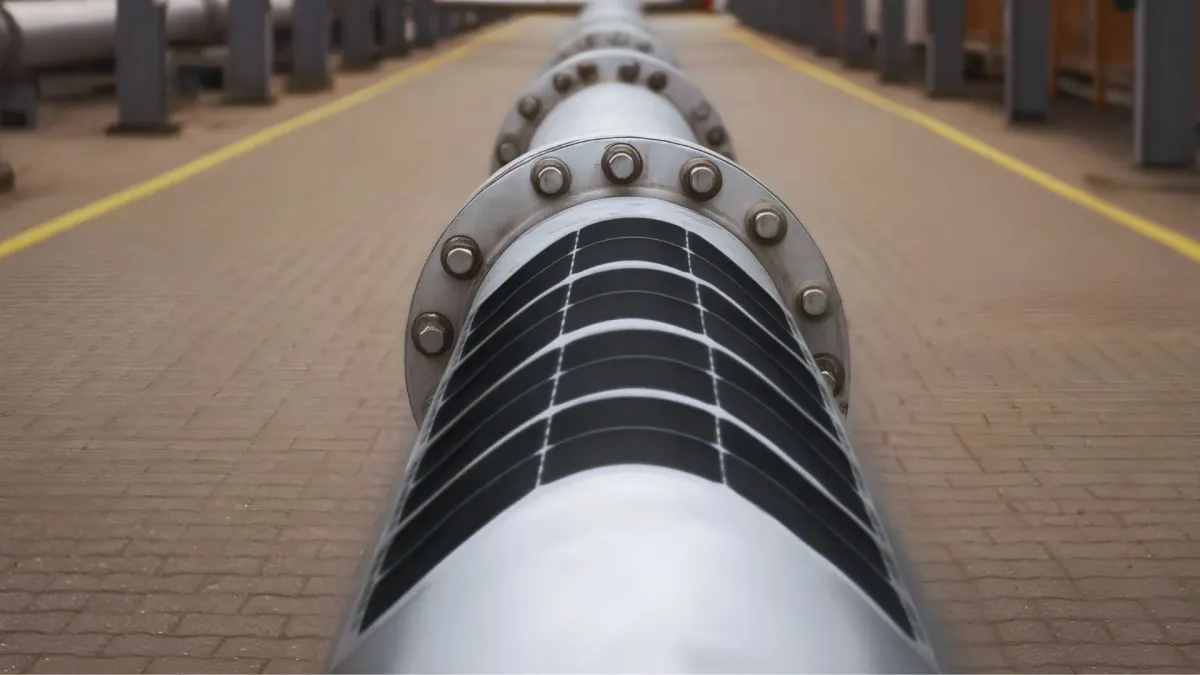
Imagine a solar panel so thin and light, it could just… stick. To your car, your drone, maybe even your backpack. That's the vision behind ElectroFlex, a new flexible solar film now in production, and it's making the rather ambitious claim that almost any surface can now become a power generator.
At just 0.85 mm thick — that's less than a millimeter, or roughly the thickness of two credit cards stacked together — this stuff boasts a 24.4% efficiency rating. For context, most residential solar panels hover around 17-20%. So, it's not just thin; it's also incredibly good at its job. The power-to-weight ratio? A tidy 73 watts per kilogram. Let that satisfying number sink in.
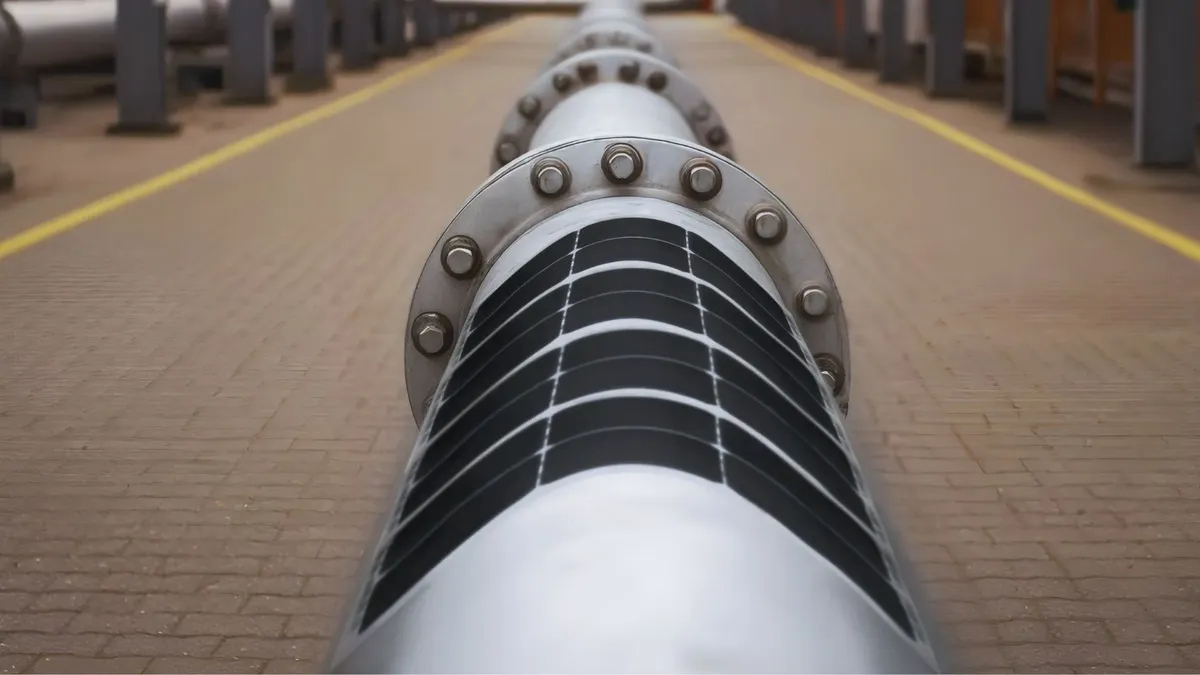
Developed by SolarWindow Technologies, ElectroFlex is already shipping to manufacturers across the U.S., with North America and Asia next on the list. Because apparently, that's where we are now: sticking solar panels on everything.
We're a new kind of news feed.
Regular news is designed to drain you. We're a non-profit built to restore you. Every story we publish is scored for impact, progress, and hope.
Start Your News DetoxThe Unsung Layers of Awesome
So, how does something this ridiculously thin actually work? It's a five-layer sandwich of engineering wizardry, each layer doing its part, all while staying under a millimeter. There's a 0.10 mm front layer for protection, a 0.16 mm layer of solar cells, and a super-thin 0.04 mm copper backing for conductivity. A 0.30 mm composite layer adds strength, and the whole thing is capped off with a 0.25 mm adhesive base. Because, you know, sticking power.
Traditional solar panels, bless their chunky hearts, are heavy. They've got thick glass, metal frames, and racks that add serious weight and stress. ElectroFlex laughs in the face of such structural burdens. It bends, it flexes, it conforms to curves and irregular shapes. This means you can slap it on airplane bodies, drone wings, train exteriors, truck roofs, or even architectural coverings that couldn't possibly support a traditional array.
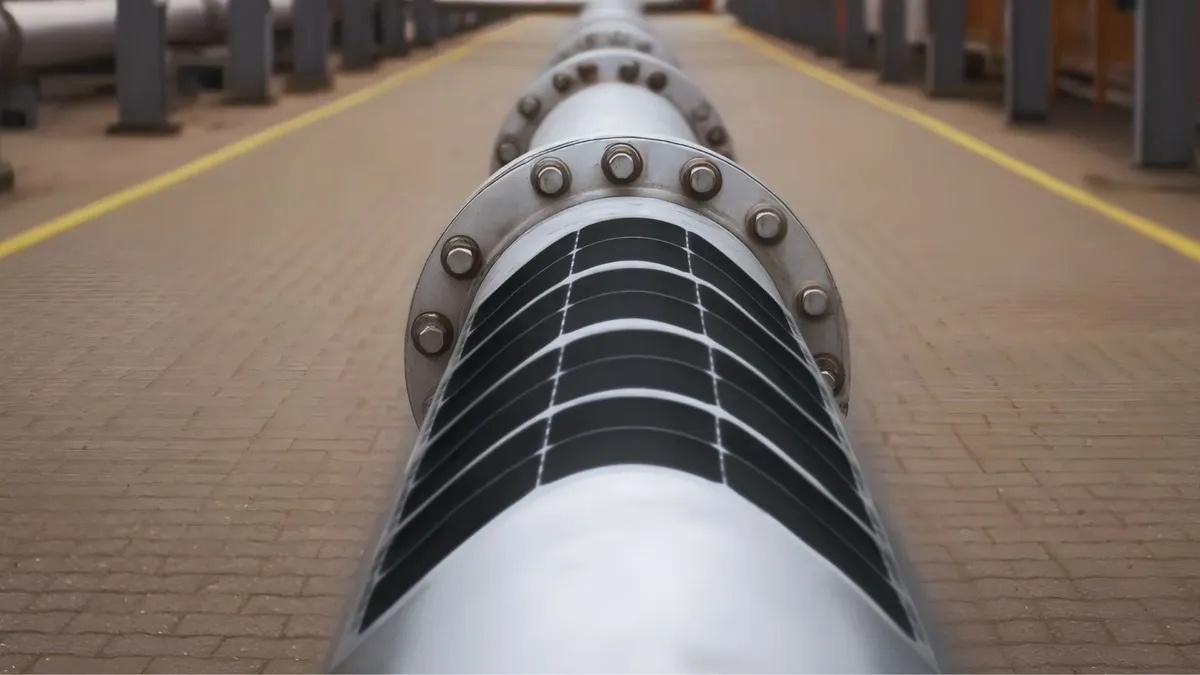
Think about it: the exterior of a vehicle becomes an auxiliary power source. It can run onboard systems, recharge batteries, and potentially cut down on the need for those noisy, fuel-guzzling auxiliary generators. This isn't just about going green; it's about making things lighter, more efficient, and frankly, a lot cooler.
Before this, SolarWindow was busy turning building windows into power generators with liquid coatings. ElectroFlex expands their ambitions significantly, pushing solar into places it simply couldn't go before. The company's CEO, Amit Singh, says this is just the first step in a much larger program for energy generation, storage, and power management. Which, if you think about it, is both impressive and slightly terrifying. Imagine a world where every surface is silently humming with generated power. Your phone, but with legs and the ability to charge itself. We're getting there.