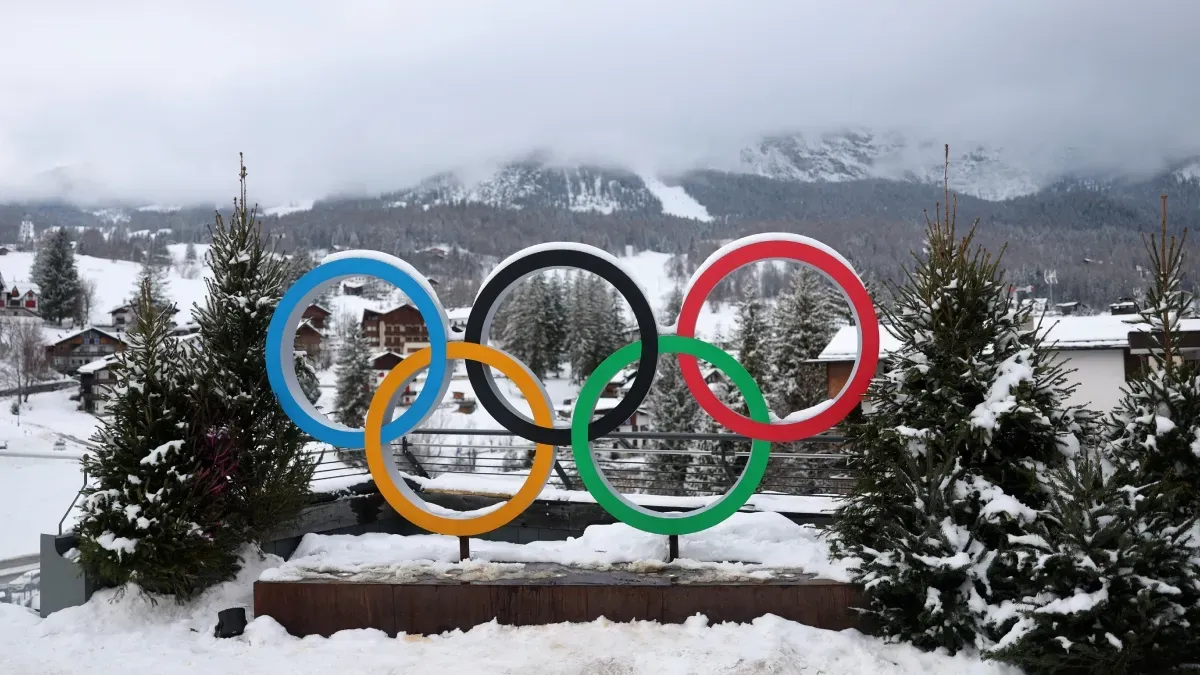
Los Angeles will host the 2028 Summer Olympics, but the soccer tournament is going on a road trip. Matches will be played in New York, Columbus, Nashville, St. Louis, San José, and San Diego—spreading the group stage and knockout rounds across the country instead of keeping everything in one place.
It's a deliberate choice. The LA28 organizing committee worked with Soccer United Marketing (the commercial side of Major League Soccer) to pick venues that could handle Olympic-level play and, crucially, get more people in stadium seats. "Bringing Olympic Football group stage and knockout matches to stadiums across the United States means more fans will witness this global event and experience the Olympic spirit firsthand," said Shana Ferguson, LA28's Chief of Sport and Games Delivery Officer.
This is the first Summer Olympics in the U.S. since Atlanta in 1996 (Salt Lake City hosted the Winter Games in 2002), so there's real anticipation building. The distributed-venue approach might seem unusual if you're used to thinking of the Olympics as one city's show, but it's actually standard practice. Brazil, China, France, and the UK all spread their Olympic events across multiple cities when they hosted.
We're a new kind of news feed.
Regular news is designed to drain you. We're a non-profit built to restore you. Every story we publish is scored for impact, progress, and hope.
Start Your News DetoxThe logic is straightforward: more cities means more tickets sold, more local economies getting a boost, and more people who might never travel to LA getting a chance to see world-class soccer. A fan in Nashville gets to watch Olympic football without a cross-country trip. A stadium in Columbus fills up. The event reaches beyond the host city's borders.
Some fans online worried about the fragmentation—there's something appealing about the idea of one unified Olympic experience. But the structure actually mirrors how modern soccer tournaments work anyway. International competitions regularly use multiple venues. It's familiar to the sport's audience.
With four years until kickoff, the six host cities are already preparing their stadiums and infrastructure. The real test will come in 2028, when we'll see whether spreading the tournament actually delivers on the promise of reaching more people.