India's coastline transforms in winter. The monsoon passes, the heat breaks, and the tourist buses haven't arrived yet. For a few months, the country's quieter beaches become genuinely quiet—places where you can walk for hours and see mostly sand, water, and sky.
The shift isn't just about fewer people. Winter weather on the Indian coast means gentler winds, calmer seas, and temperatures that don't punish you for being outside. It's the season when these shores finally feel like themselves.
Goa's hidden edges
Galgibaga Beach in South Goa sits apart from the postcard-perfect coves everyone photographs. It's known for Olive Ridley turtles that nest here—you might see evidence of their presence if you visit during the right weeks. The beach stays largely undiscovered because it requires effort to reach, which is precisely why it stays undiscovered.
We're a new kind of news feed.
Regular news is designed to drain you. We're a non-profit built to restore you. Every story we publish is scored for impact, progress, and hope.
Start Your News DetoxButterfly Beach, tucked into cliffs and accessible only by boat, operates on a different logic entirely. No road leads here. That isolation creates a specific kind of calm—the water stays still, the sand stays golden, and the sense of having stumbled onto something private persists even when you're not alone.

The tidal anomalies
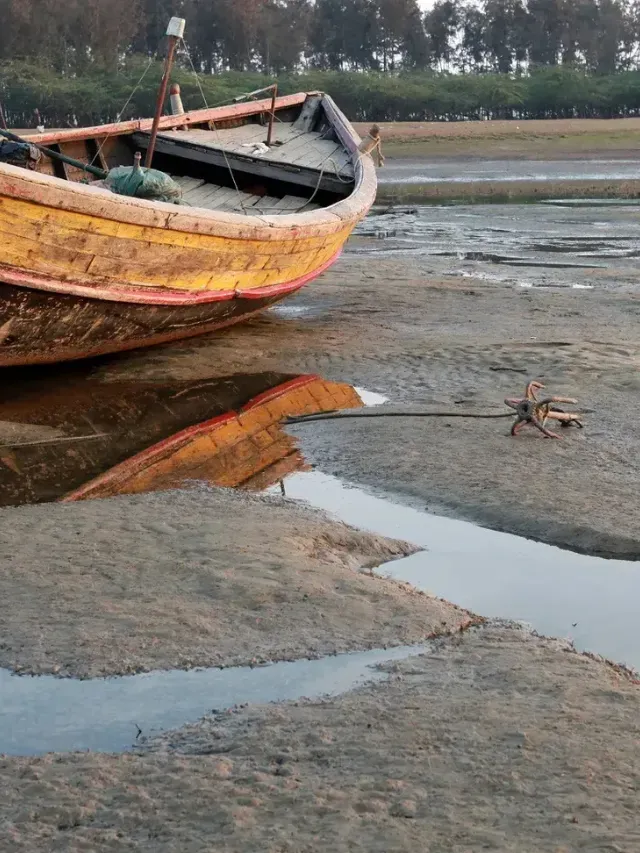
Chandipur Beach in Odisha has a geological quirk that winter visitors come for: the tide recedes up to five kilometres twice daily, leaving behind vast, firm sand flats. In winter, when the water is cooler and the crowds are thinner, these exposed stretches become meditative walking routes. You can cover kilometres without seeing another person.

Talasari Beach, near the West Bengal border, takes a quieter approach. Coconut palms line the shore, the water stays shallow, and the pace of life here feels unhurried by design rather than accident. It's the kind of place where you notice small things—how light hits the water at different hours, the rhythm of your own footsteps.

East coast escapes
Kalingapatnam Beach in Andhra Pradesh sits on the Bay of Bengal with a historic lighthouse as its anchor. The coastline here stays relatively untamed, which means winter visits feel like discovery rather than consumption. The vistas are peaceful partly because fewer people have learned to look for them.

Mandarmani Beach in West Bengal stretches across kilometres of soft sand. Winter transforms it into a place for long walks and photography, where the waves lap gently and you can actually think. The expanse itself discourages crowds—there's too much space for it to feel crowded.

West and south
Tarkarli Beach on Maharashtra's Konkan coast offers something different: clear water and active marine life make it suitable for snorkelling in winter. The powdery sand and calm conditions create an environment where you can actually see what's beneath the surface without fighting the elements.

Kapu Beach near Udupi in Karnataka pairs a historic lighthouse with lush greenery and uninterrupted Arabian Sea views. Winter here means you can sit with that view for as long as you want without the heat becoming oppressive.

Paradise Beach in Puducherry, accessible only by boat, maintains its isolation by design. Untouched sand and gentle waves create an atmosphere that urban coastal destinations have largely lost. Winter is when that atmosphere becomes most apparent—fewer visitors, clearer skies, a genuine sense of arrival.

Winter on India's quieter coasts isn't about escaping beaches entirely. It's about finding the ones where solitude still exists, where the rhythm of the place hasn't been completely rewritten by tourism. These nine stretches offer that—at least for now, while winter lasts.