A river that once caught fire is now home to over 20 fish species. The Don River, which runs through Toronto, was so choked with pollution and industrial waste that it became a biological dead zone. Decades of canalization—straightening its natural curves into rigid lines—had accelerated water flow, killed wetlands, and turned flooding into a chronic problem.
Then something shifted. A CAD$1 billion restoration project began undoing a century of damage.
The work wasn't glamorous: rewilding the river's course back to its natural meanders, recreating wetlands on infilled land, building new levees for climate resilience. It was patient, methodical work. But when the Toronto and Region Conservation Authority (TRCA) surveyed the results, the numbers told a story of genuine recovery.
We're a new kind of news feed.
Regular news is designed to drain you. We're a non-profit built to restore you. Every story we publish is scored for impact, progress, and hope.
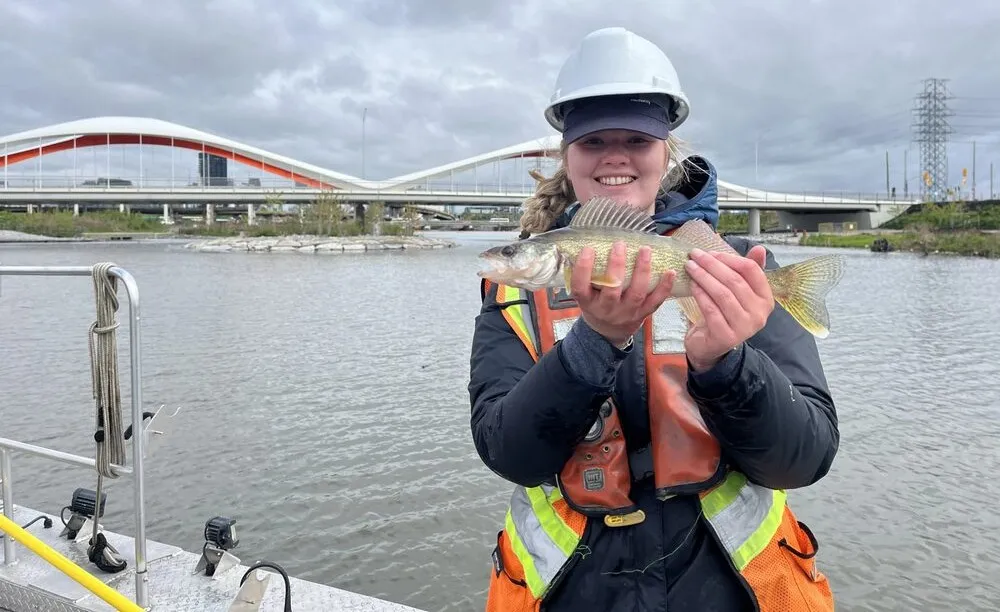
Start Your News DetoxAtlantic salmon are back. So are largemouth bass, northern pike, and walleye—predatory fish that only return when an ecosystem has enough food and stability to support them. Brynn Coey, supervisor of aquatic monitoring at TRCA, noted something crucial: the fish community wasn't just more numerous, it was diverse across life stages. Newly-hatched juveniles swimming alongside mature adults. That's what a healthy river looks like.
From Dead Zone to Living System
The Don's transformation reveals something often forgotten in environmental stories: rivers are responsive. They remember their natural patterns. Once you stop fighting them and start working with their geometry, they heal faster than you'd expect.
The restoration included a delta island called Ookwemin Minising—"the place of the black cherry trees" in Ojibwa—a deliberate nod to the Indigenous relationship with the land that predates the river's industrial erasure. It's a small detail that matters: recovery isn't just ecological, it's also about restoring what was lost culturally.
The Don River five years ago would have seemed impossible to bring back. The Don River today is proof that even in the middle of a major city, nature doesn't stay defeated. It waits. And when given the chance, it comes back.
More data is still being collected, but the trajectory is clear. The river that once burned is now a thriving ecosystem—a reminder that some of the most damaged places can become some of the most alive.