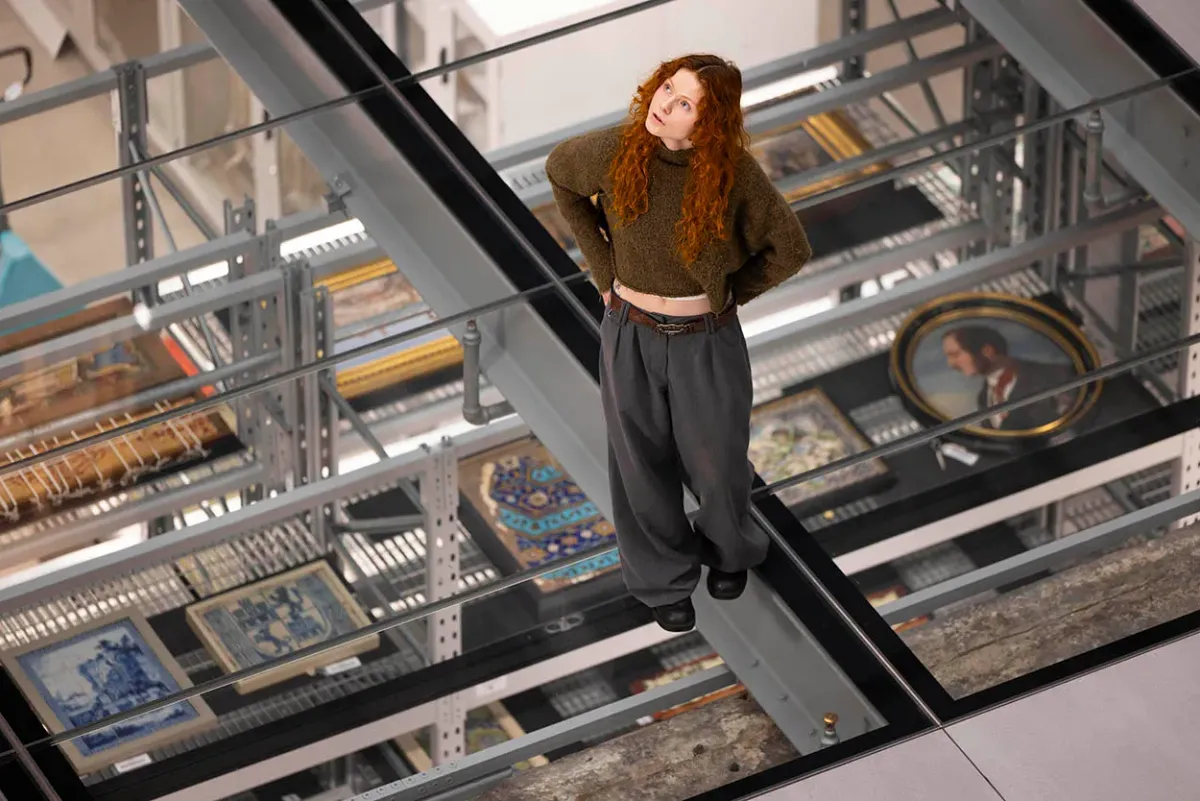
Ever wonder where all those priceless artifacts go when they're not gracing a pedestal? Turns out, most of them are chilling in the back. Like, 95% of them. That's right, most museum collections are hidden away, gathering… well, not dust, hopefully, but definitely not eyeballs.
But a new trend is emerging: "open storage." Museums are now letting you peek behind the velvet ropes, turning their usually off-limits backrooms into part of the public experience. Think less dusty basement, more meticulously organized warehouse chic.
The Art of the Reveal
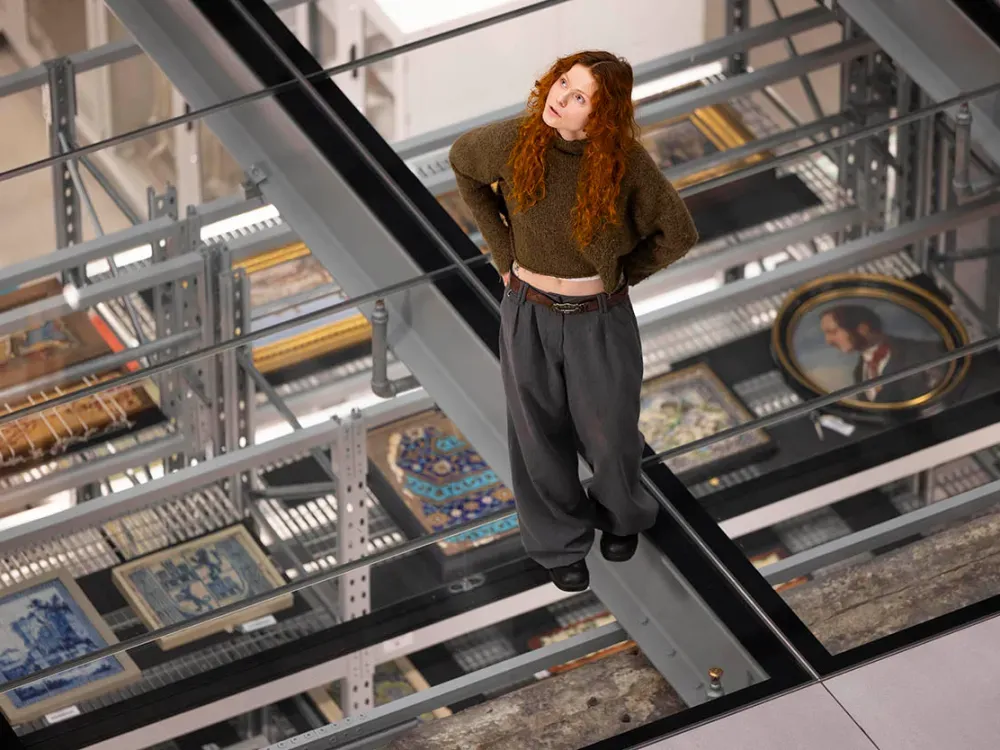
This isn't just about throwing open the doors to a cluttered closet. Newer projects, like The Depot in Rotterdam or the V&A East Storehouse in London, are architecturally stunning, designed to blur the line between storage and actual display. You're not just seeing objects; you're seeing them in their natural, pre-display habitat — on pallets, in crates, getting prepped for their moment in the sun.
We're a new kind of news feed.
Regular news is designed to drain you. We're a non-profit built to restore you. Every story we publish is scored for impact, progress, and hope.
Start Your News DetoxA new book, Keeping Culture: The Architecture of Storage, dives into this phenomenon, asking the big questions: Can storage truly be "displayed" while still being, you know, storage? Is its main purpose still to keep things in reserve? Or is it just another way for museums to flex their vast holdings and say, "Look how much cool stuff we have that you don't get to see… until now!"
Critics point out that this "democratization of culture" through open storage often assumes access is purely physical. It suggests curatorial explanations are a barrier, rather than, say, a helpful guide to understanding why that chipped vase from 300 BC is actually a big deal. Because let's be honest, not every historical artifact screams its significance from a dusty shelf.
The Unseen Costs of Seeing All
Beyond the aesthetic, there's a deeper conversation. When museums put their storage on display, they're still sending a message — often about their own generosity and abundance. British writer Deyan Sudjic called The Depot "highly performative," warning it "risks feeling manipulative." Which, if you think about it, is a pretty dry observation for something that sounds like a glamorous art warehouse.
This performance is especially poignant as museums face increasing scrutiny over their collections, particularly items acquired during colonial times. The issue of human remains in storage, for instance, is a complex one, with Indigenous communities working to create respectful resting places. Architecture alone can't fix centuries of injustice, no matter how grand the building.
And then there's the ultimate storage paradox: the digital kind. The island nation of Tuvalu, threatened by rising sea levels, aims to become the "first digital nation," archiving its culture and digitizing its government. All of this data, of course, needs to be housed in massive, energy-guzzling data centers — which, ironically, contribute to the very climate change threatening Tuvalu's existence. The ultimate collection, as cultural critic Susan Stewart mused about Noah's ark, is less about what we keep, and more about what we lose in the process.
So next time you're at a museum, spare a thought for the 95% of art lurking just out of sight. They might be waiting for their moment in a beautifully designed storage facility, or perhaps, for a digital future that raises more questions than it answers.