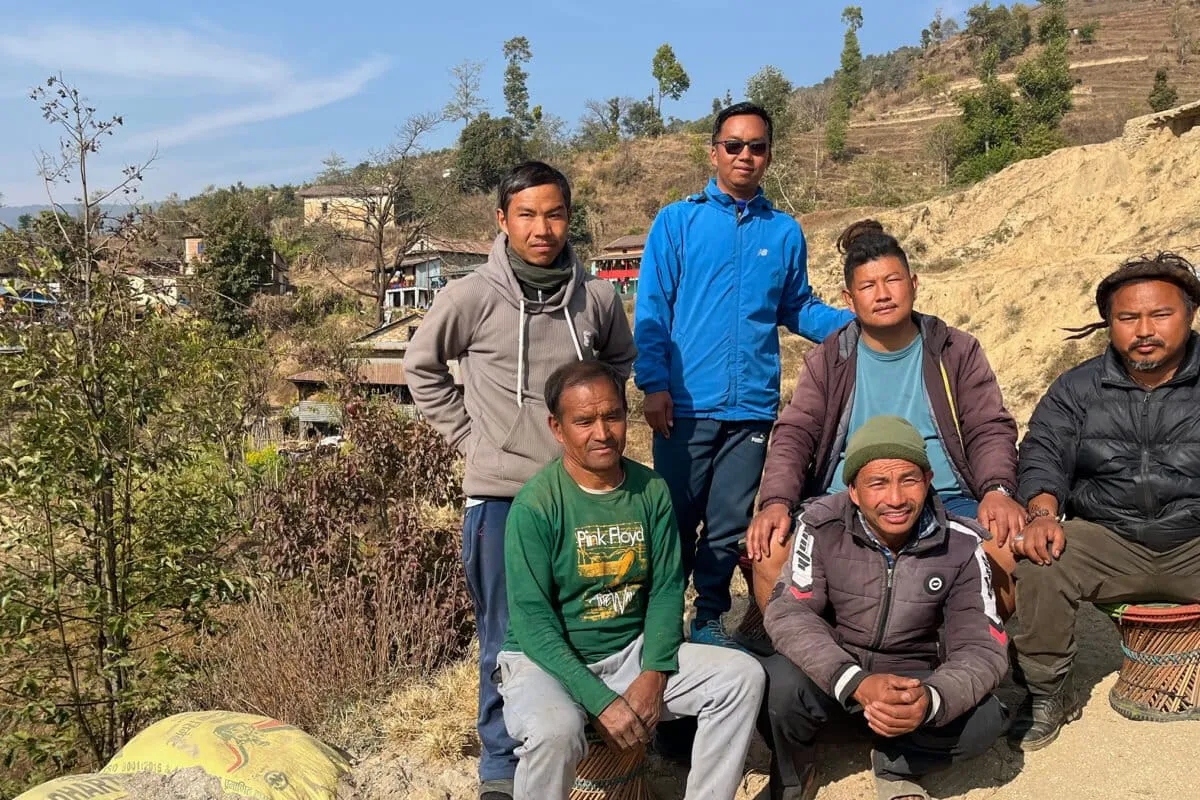
Ashok Tamang learned about the Nagmati Dam the way many do: in a monastery meeting room, watching slides of a project that would reshape his community's future. It was July 2023. Officials talked about height, capacity, and benefits—better roads, new business, steady income. What they didn't mention, Tamang says, were the risks. "Now that we know, we wholeheartedly oppose this project."
The Nagmati Dam has been in planning since the early 2010s. A 95-meter barrier on a mountain stream in Shivapuri Nagarjun National Park near Kathmandu, it would collect monsoon runoff and release water during dry months to revive the Bagmati River, a waterway sacred to Hindu worshippers downstream. On paper, it sounds like reasonable water management.
On the ground, it threatens to displace an entire Indigenous community.
What's at stake
The Tamang people have lived in Mulkharka for generations, maintaining traditional farming, foraging, and spiritual practices woven into the landscape itself. The dam's reservoir would submerge significant portions of the settlement, forcing residents to leave. But displacement is only part of the concern. The Nagmati stream itself holds spiritual weight—ceremonies and rituals happen here. Tamang describes it plainly: "It's not just our homes that are at stake, but our entire way of life."
We're a new kind of news feed.
Regular news is designed to drain you. We're a non-profit built to restore you. Every story we publish is scored for impact, progress, and hope.
Start Your News DetoxThe Tamang are an Indigenous ethnic group native to the Himalayan regions of Nepal, Bhutan, and parts of India. They have formal rights as an Indigenous community under Nepali law, yet the dam project moved forward without meaningful consultation. No one asked them. No one asked what they wanted.
So they're demanding a say now. The Tamang community is calling for a public referendum—a ballot where local residents decide the dam's fate themselves. They've organized protests and petitions, arguing that the project violates their rights and threatens their cultural survival. "We are not against development," Tamang emphasizes, "but we want it to be done in a way that respects our rights and our way of life."
This isn't an isolated conflict. Large infrastructure projects across South Asia routinely displace Indigenous and marginalized communities with minimal consent. What makes Mulkharka notable is the community's organized push for democratic input—a demand that development decisions affecting their survival should include their voices.
The Nagmati Dam project continues to move forward. But the Tamang community remains steadfast, determined to ensure that the next major decision about their ancestral land isn't made in a room without them.