High above the world's cities and farms, something is shifting faster than almost anywhere else on Earth. Mountain regions are warming roughly 0.21°C per decade quicker than the lowlands around them—and the consequences ripple downward to over a billion people who depend on mountain water, food, and stability.
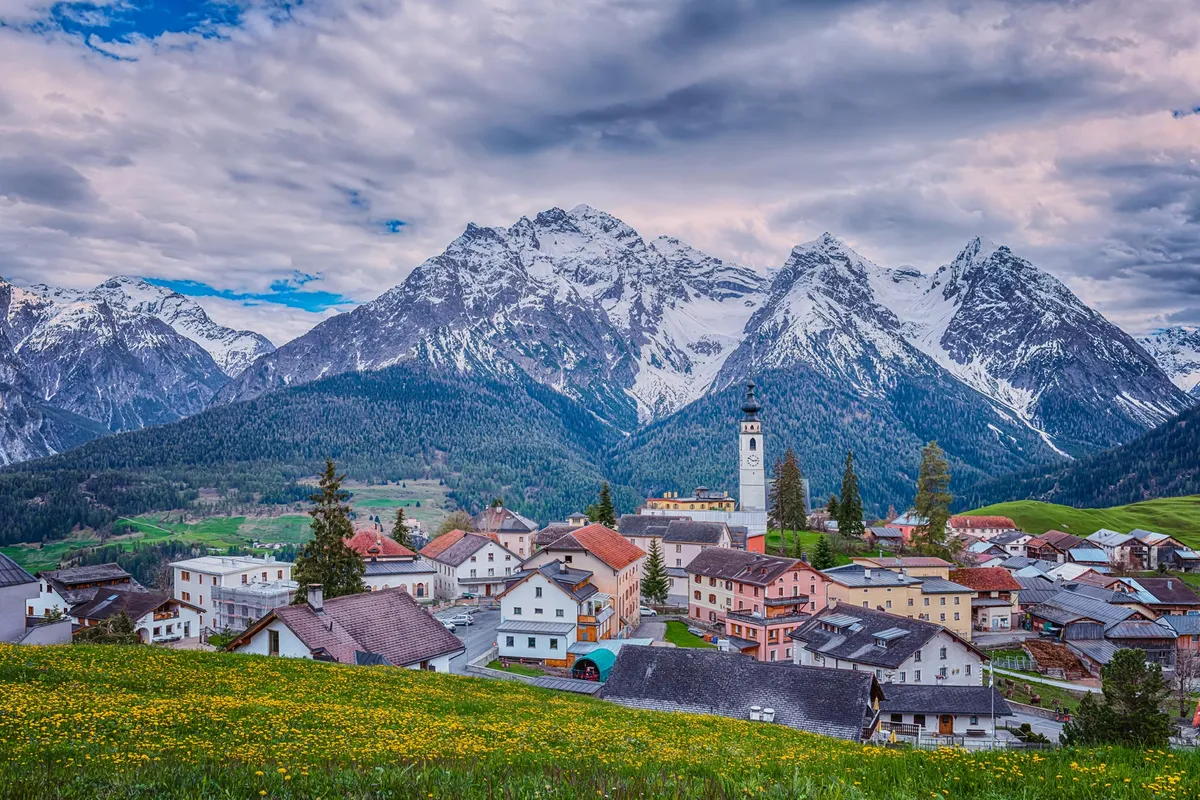
A comprehensive review led by Associate Professor Nick Pepin at the University of Portsmouth analyzed four decades of climate data across the world's major mountain systems: the Rockies, the Alps, the Andes, the Himalayas. The pattern is unmistakable. Between 1980 and 2020, temperatures climbed faster at higher elevations. Snowfall turned to rain. Glaciers retreated. The changes are accelerating in ways that surprise even the scientists tracking them.
Why this matters beyond the peaks
The Himalayas alone supply freshwater to roughly 2 billion people across China, India, and Central Asia. When snow melts predictably through spring and summer, rivers flow steadily. When rain falls hard in winter instead, it floods. Pepin points to Pakistan's monsoon disaster last summer—cloudbursts in mountainous terrain killed over 1,000 people and displaced millions. That's not an outlier anymore. It's a preview.
We're a new kind of news feed.
Regular news is designed to drain you. We're a non-profit built to restore you. Every story we publish is scored for impact, progress, and hope.
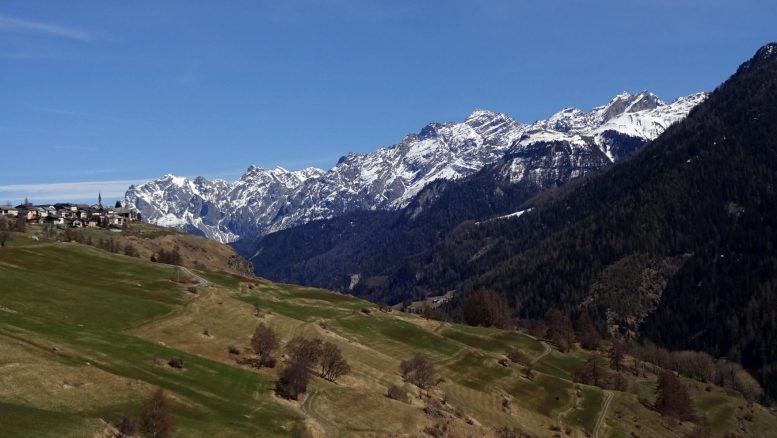
Start Your News DetoxAs temperatures rise, plants and animals are moving uphill, chasing cooler ground. But mountains have a summit. "Eventually, in some cases they'll run out of mountain," Pepin notes. "Species may be lost. Ecosystems fundamentally changed." Alpine meadows that have existed for millennia could vanish within decades.
The research builds on a decade of work that first showed, in 2015, how warming accelerates with elevation. Scientists have since identified the mechanisms: shrinking snow and ice expose darker ground that absorbs more heat; rising atmospheric moisture traps warmth; aerosol pollution affects how clouds form. Each factor compounds the others.
The blind spot in the data
Here's what complicates the picture: mountains are hard to monitor. Weather stations at high elevations are sparse, remote, and expensive to maintain. Nadine Salzmann from the Swiss Institute for Snow and Avalanche Research explains the friction plainly: harsh terrain, isolation, the logistics of keeping instruments running in places where few people live. Because of these gaps, scientists suspect they're actually underestimating how fast temperatures are rising and how quickly glaciers could disappear.
Existing climate models also track changes only every few kilometers—too coarse for mountains where conditions shift radically between slopes meters apart. Finer-resolution models are improving, but Emily Potter from the University of Sheffield points out the real bottleneck: "Better technology alone isn't enough. We need urgent action on climate commitments and significantly improved monitoring infrastructure in these vulnerable mountain regions."
The broader challenge remains what it's always been. Mountain climate change can't be solved in isolation. It's part of the global picture—and that picture is still warming.