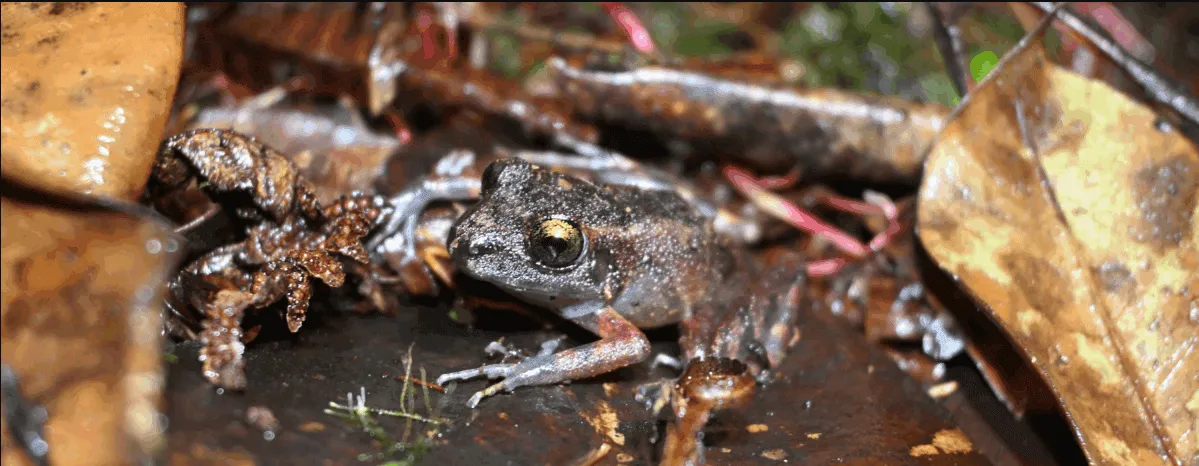
Deep in Peru's San Martín region, where cloud forests cling to mountains so high and isolated that they'd barely been explored, a small frog was hiding in the leaf litter—waiting to be noticed.
In 2022 and 2025, guided by Indigenous and local monitors who knew these forests intimately, teams of Peruvian and French scientists made their way to the Bosques de Vaquero Biocorridor. What they found there was Oreobates shunkusacha—a species entirely new to science, named Shunku Sacha in the local Kichawa-Lamista language, which means "heart of the forest."
It's a striking discovery. But it arrives with an urgency baked in.
The discovery and the threat
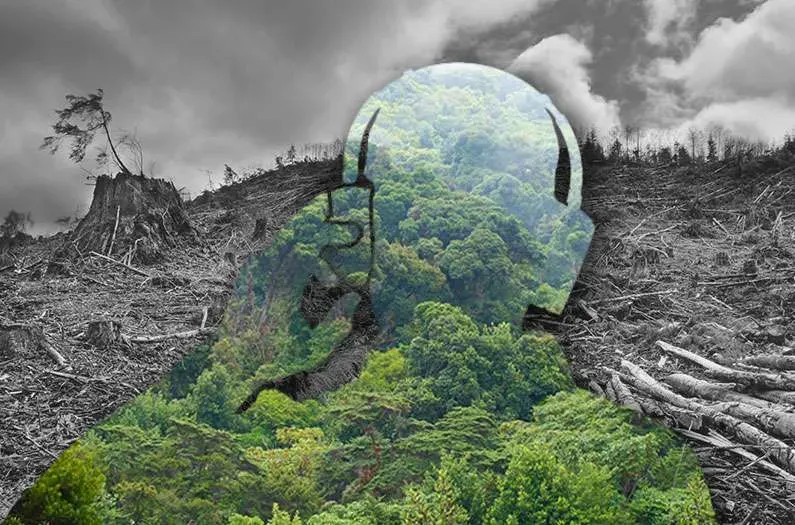
The frog is small, cryptic, and lives in a place that's rapidly disappearing. The cloud forests of San Martín—already fragmented and under pressure from deforestation—are shrinking. The researchers who described the species in the journal Salamandra were clear about the implications: Oreobates shunkusacha should be considered endangered, despite having only just been formally named.
We're a new kind of news feed.
Regular news is designed to drain you. We're a non-profit built to restore you. Every story we publish is scored for impact, progress, and hope.
Start Your News DetoxThis isn't unusual in tropical biodiversity hotspots. Species are discovered and threatened almost simultaneously, a pattern that's become grimly familiar to conservation biologists. But what's different here is how the research happened.
The expeditions weren't led by distant institutions parachuting into the forest. They were guided by three Indigenous and local associations—people whose families have lived in and stewarded these forests for generations. The scientists, working through organizations like Nature Conserv'Action and the Ararankha Association, came to collaborate with local knowledge holders, not to extract data and leave.
That distinction matters. When local communities are centered in the discovery and protection of their own biodiversity, the research becomes embedded in the landscape—connected to people who have every reason to keep the forest standing.
The frog's survival now depends on whether the Bosques de Vaquero Biocorridor can be protected. That's not a question for science alone. It's a question for the people who live there, the governments that make land-use decisions, and the rest of us who benefit from forests that regulate climate and harbor life we're still learning to name.