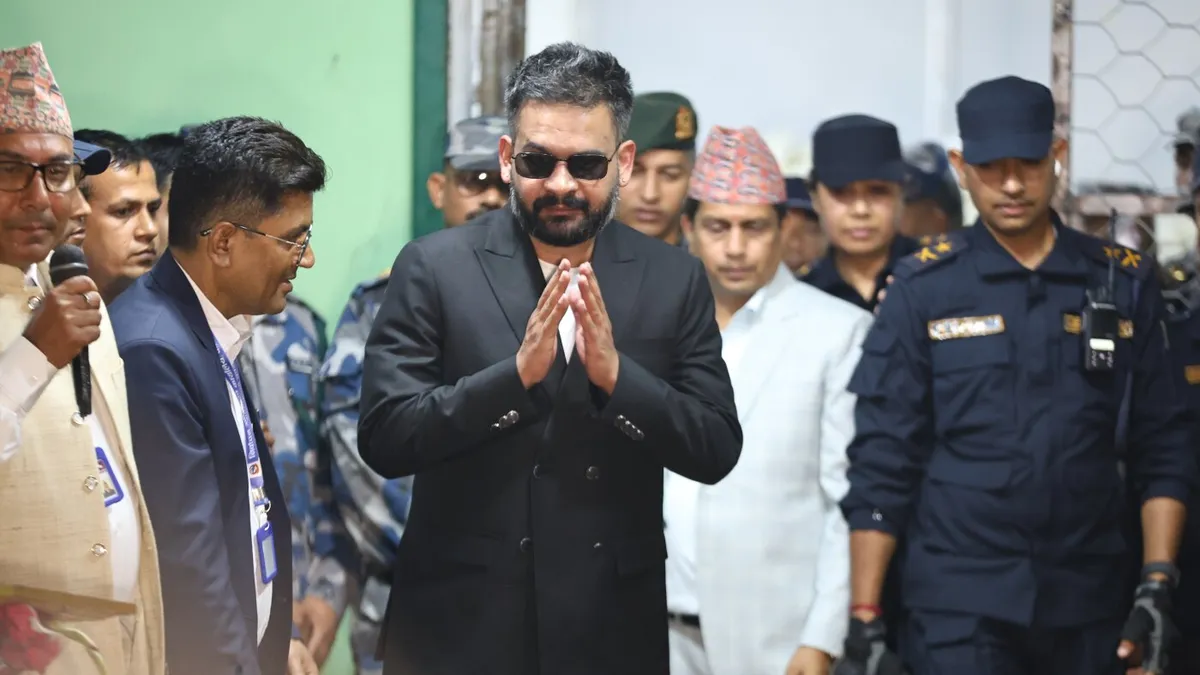
A political party formed just four years ago is about to govern Nepal—and its prime ministerial candidate is a former rapper who emerged as a figurehead during last year's youth-led protests that toppled decades of entrenched rule.
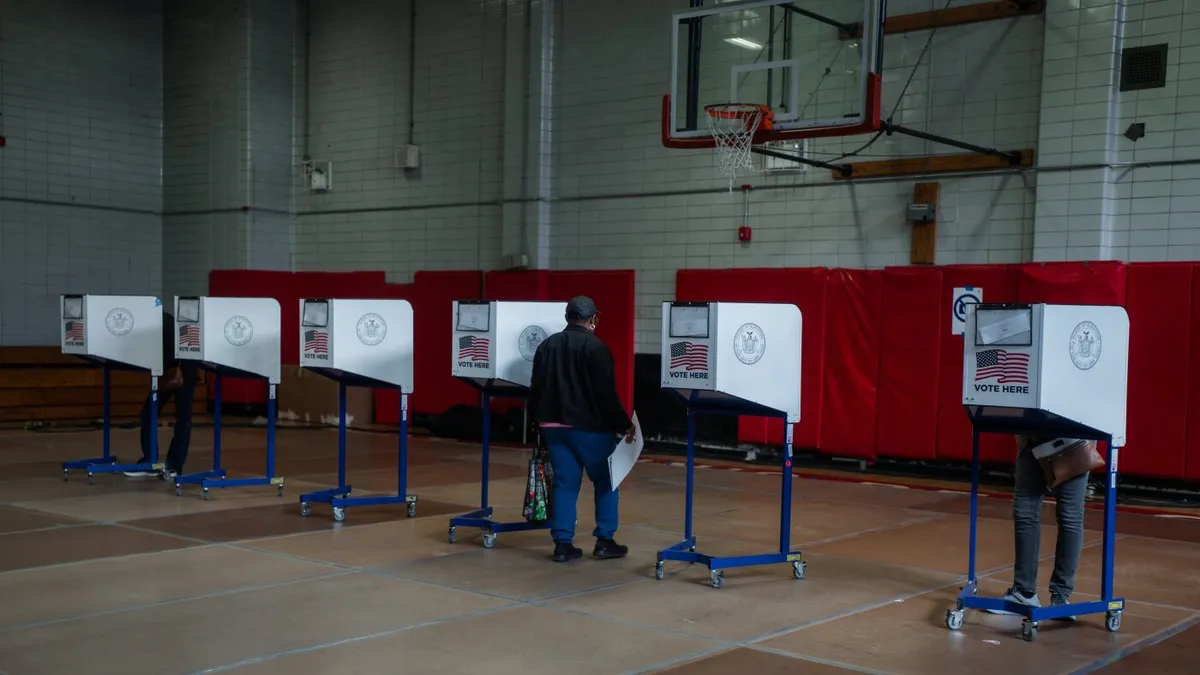
The Rastriya Swatantra Party (RSP) has won 103 of 165 directly elected parliamentary seats, with results published Sunday by Nepal's Election Commission. With proportional representation seats factored in, the party controls more than 50% of the votes needed to form a government—a decisive mandate that ends the two-party rotation that has defined Nepali politics for generations.
From the Streets to Power
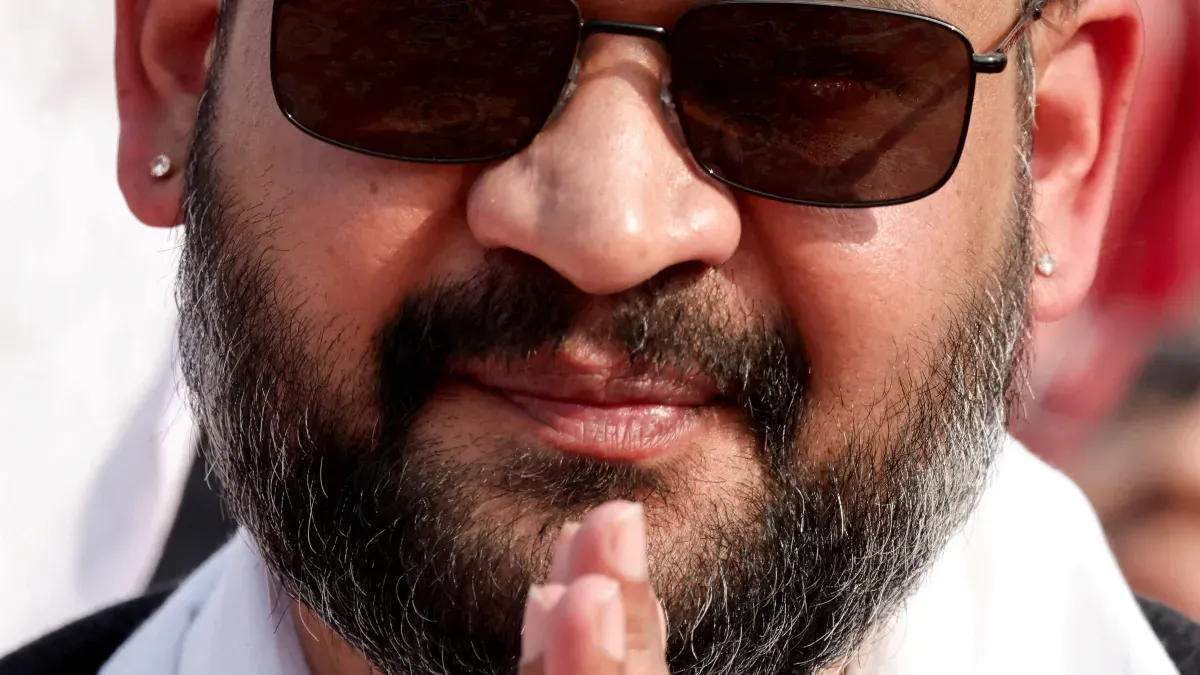
Balendra Shah, the party's prime ministerial candidate, won Kathmandu's mayoral race in 2022 before becoming a central figure in the 2025 uprising that forced former Prime Minister Khadga Prasad Oli from office. The protests began over a social media ban but evolved into something larger: a generational demand for accountability after decades of corruption and poor governance. Dozens died and hundreds were wounded when police opened fire on demonstrators who attacked government buildings.
We're a new kind of news feed.
Regular news is designed to drain you. We're a non-profit built to restore you. Every story we publish is scored for impact, progress, and hope.
Start Your News DetoxThe election result reads as a direct repudiation of that old order. Local papers captured the scale of the shift: The Himalayan Times called it a "landslide victory," while Annapurna Post declared it a "people's ballot revolt; shift in political paradigm."
What makes this moment distinctive isn't just the margin of victory—it's who delivered it. Nepal's Gen Z didn't settle for replacing one elite faction with another. They pushed for someone outside the traditional political machinery, someone who had articulated their frustrations through a different medium entirely. Shah's journey from musician to mayor to revolutionary figurehead reflects a broader pattern emerging across democracies: younger voters are willing to take risks on unconventional candidates if the alternative is more of the same.
The Weight of Expectation
RSP supporters have celebrated with flower garlands and vermilion powder, a traditional gesture of honor. But party officials have asked candidates and supporters to hold back on public victory rallies—a deliberate choice to respect the lives lost in last year's protests. It's a small gesture that signals something important: this government understands it came to power through upheaval, not consensus, and that legitimacy will depend on delivering the reforms that sparked the uprising in the first place.
Nepal's electoral system now gives RSP the arithmetic it needs. Voters directly elected 165 members to the House of Representatives; the remaining 110 seats are allocated by proportional representation. With over 50% support across both channels, the party has the numbers to govern without coalition partners—a rarity in Nepali politics and a mandate that's hard to misinterpret.
The real test begins now. A party born from protest momentum faces the familiar challenge of translating anger into policy. Corruption doesn't disappear because new faces take office. Governance requires not just the energy that topples a regime, but the patience to rebuild institutions. Nepal's youth have handed RSP a historic opportunity. Whether Shah and his party can convert that into the accountability and reform that sparked the uprising will define not just their government, but the future of youth-led political movements across South Asia.