In Juba, South Sudan, conservationist Mike Fay stands over a map of 150,000 square kilometers—a region the size of Nepal—that his organization has just secured a 10-year agreement to manage. "This is the greatest conservation opportunity on Earth," he says, "but also one of the greatest challenges." Yet when he walks that landscape, the silence is deafening. A hunter in Boma's Maruwa village hasn't seen an elephant in four years. The last one he killed was two years before that. He needed the money—$50 per tusk, split five ways.
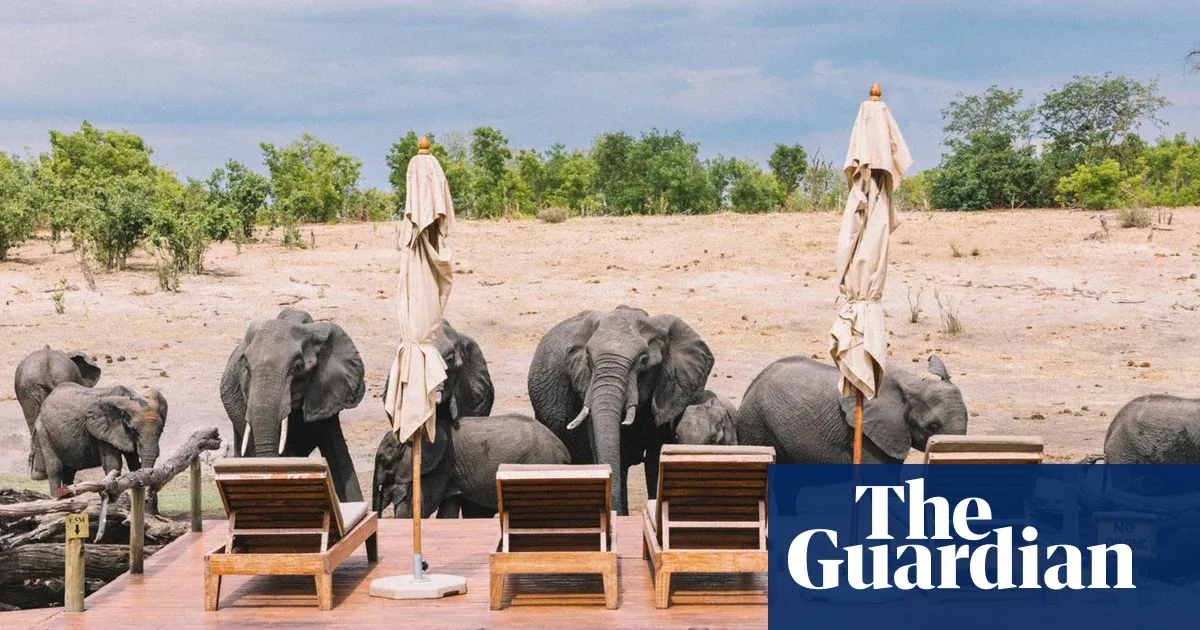
Across the continent, 3,200 kilometers away in Zimbabwe, the problem inverts entirely. Outside Victoria Falls airport, road signs warn drivers of elephants on the move. Fransica Sibanda was widowed when an elephant trampled her husband yards from their home. "I now live in fear," she says. Her neighbor watched a man get picked up and crushed against a wall. These aren't isolated incidents—they're the daily math of a landscape overwhelmed.
South Sudan's Great Nile migration landscape lost its elephants to decades of Africa's longest civil war. The region's human suffering was so severe that poaching became survival. In 2023, scientists discovered this ecosystem hosts the planet's largest remaining land mammal migration, dominated by white-eared kob antelope. That discovery brought hope. Then, at the end of 2025, news arrived that Badingilo's last elephant had been killed by suspected poachers.
We're a new kind of news feed.
Regular news is designed to drain you. We're a non-profit built to restore you. Every story we publish is scored for impact, progress, and hope.
Start Your News DetoxZimbabwe's crisis is the inverse: success that became a problem. Hwange national park's dense elephant population resulted from decades of conservation work—a genuine achievement. But the ecosystem tipped. About 60,000 of Zimbabwe's 100,000 elephants pass through Hwange during the dry season, roughly double what the landscape can sustain. Elephants desperate for food strip trees bare. They raid crops. They kill people.
The Middle Ground
Zimbabwe and Namibia announced significant culls in late 2024, often involving big-game hunters who bring revenue that cash-strapped conservation efforts desperately need. Botswana considered the same approach, triggering global outcry from people who've never lived beside a hungry elephant. But the locals who've lost family members or watched their crops destroyed say outsiders don't grasp the pressure.
Some solutions are gaining traction. Chilli fences—capsaicin-laced barriers that elephants avoid—work at local scales. High-voltage rhino fencing separates parks from villages in some areas. Deterrents that sound like gunfire help too. But these are patches on a larger problem: elephants need vast spaces to move, and humans need safety and food.
What unites South Sudan's emptiness and Zimbabwe's overflow is a harder truth. Both regions are caught between extinction and coexistence, with fewer good options than the scale of the problem demands. The difference is that one side is losing everything, while the other is drowning in it. Neither situation is sustainable. Neither has a single solution.
What happens next depends on whether the world can hold both crises in mind at once—and whether conservation can stop being a choice between elephants and people.