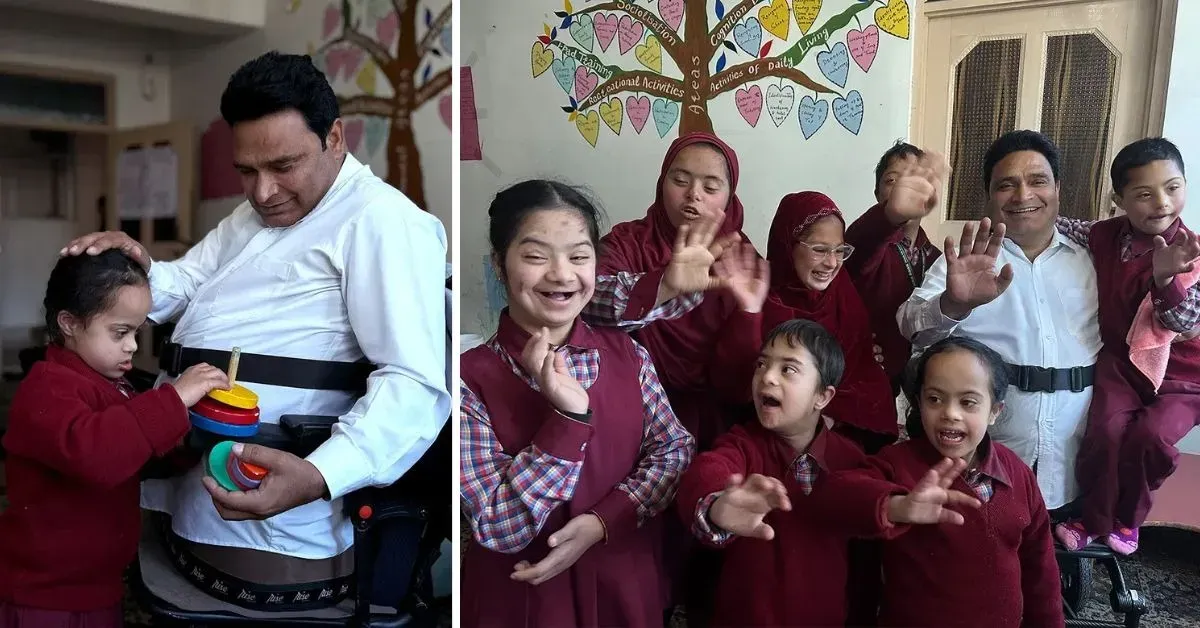
Javed Ahmad Tak's life changed in 1997. He was in his final year of college when he was hit by a bullet during a conflict in Bijbehara, Jammu & Kashmir. Doctors removed his kidney and spleen, and the bullet also hit his spinal cord, leaving him paralyzed from the waist down.
During his recovery, Javed began to see the world differently. He felt a deep empathy for others affected by conflict in the valley. In 2003, he decided to act on this feeling.
His organization, Humanity Welfare Organisation, now provides education and rehabilitation for disabled children. Over the past 23 years, it has helped 6,000 children. This Ramadan, Javed hopes to build a larger shelter home to reach even more children.
We're a new kind of news feed.
Regular news is designed to drain you. We're a non-profit built to restore you. Every story we publish is scored for impact, progress, and hope.
Start Your News DetoxA Dream to Study
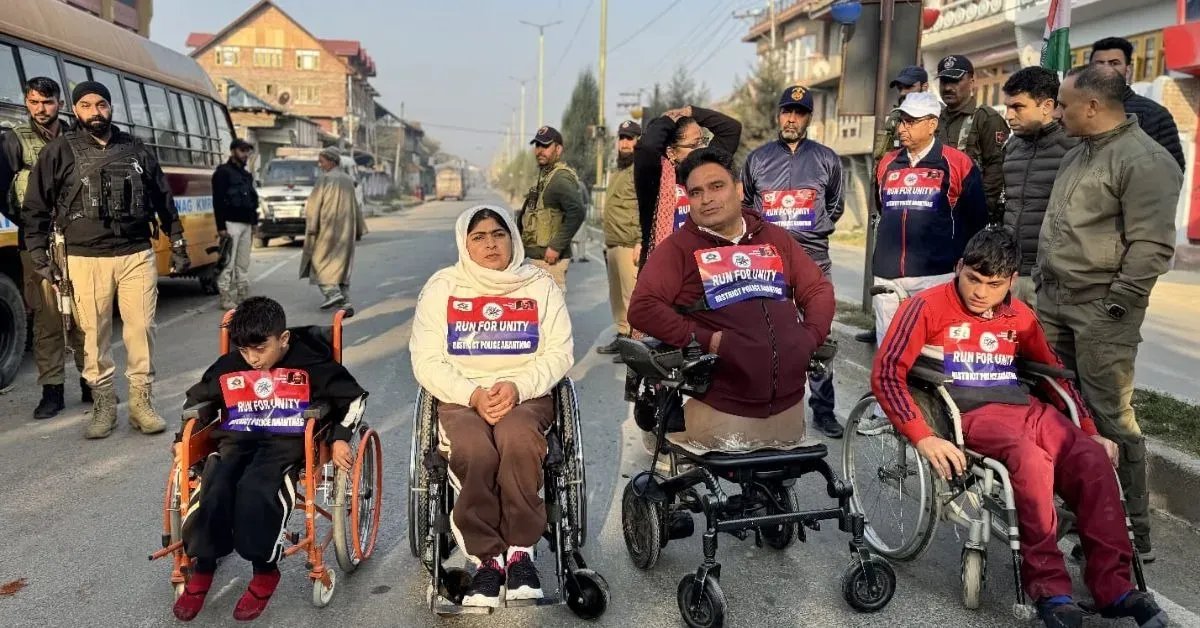
Zakiya Manzoor, 24, is visually impaired and wants to be a professor. She recently finished her postgraduate studies. Growing up, Zakiya never thought she could have such dreams. She remembers staying home while other children went to school because she was "different."
Then, her uncle helped her get into the Zaiba Aapa Institute of Inclusive Education, run by Javed's organization. There, Zakiya found friends and gained confidence. She recalls being surrounded by children with various disabilities. When she later moved to another school for Class 9, she felt isolated.
Zakiya often felt discouraged by her disability. But she would talk to Javed, who would tell her stories of visually impaired people who achieved great things. This inspired her to believe she could too.
Javed is proud of stories like Zakiya's. He started the school because he wanted to help disabled children. After his injury, he spent years at home, finding rehabilitation difficult. He decided to teach children affected by militant attacks.
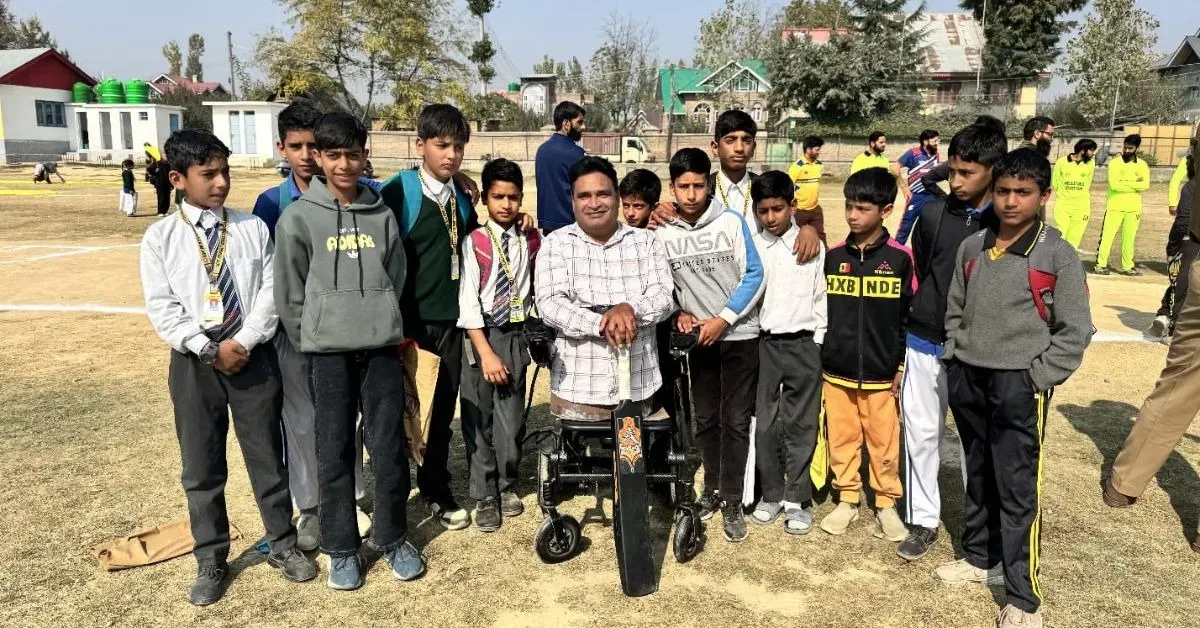
Javed understands the challenges these children face because of his own experience. He knows that internal strength is often most affected. He wanted to help children keep their dreams alive. He rented a room and used a 75,000 Rupee government compensation payment to fund the project.
The School's Next Chapter
At the Zaiba Aapa Institute of Inclusive Education, teachers use Braille and sign language for students with visual and hearing impairments. Children with intellectual disabilities learn through music and art. The school also offers extracurricular activities like sports and crafts.
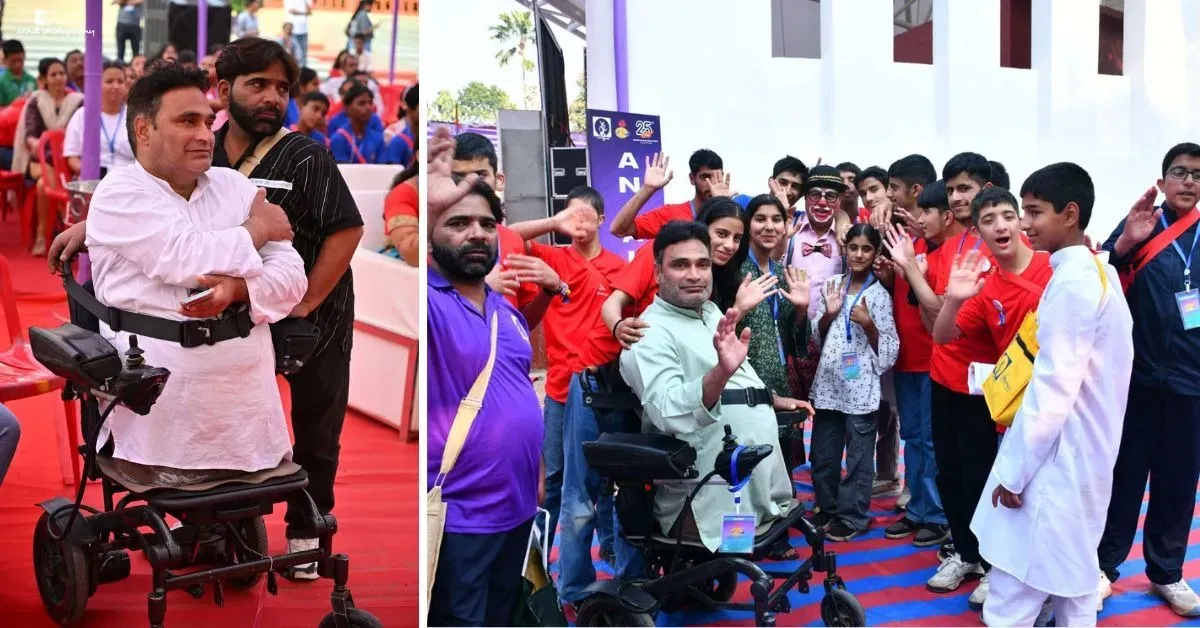
Currently, over 300 students with different disabilities attend the school. The Humanity Welfare Organisation also provides free assistive devices like wheelchairs, hearing aids, and crutches.
The organization also holds free medical camps with doctors and hospitals. These camps offer ophthalmic and dental check-ups. Many children and adults have received corrective surgery and medical aid through these efforts.
Physiotherapy is available for children with orthopedic impairments to maintain muscle strength and joint movement. Regular exercise therapy helps children with cerebral palsy and other disabilities. Speech therapy is also provided when needed.
Javed believes there is still much more to do. He is now focused on building another center that will benefit over 200 more children.