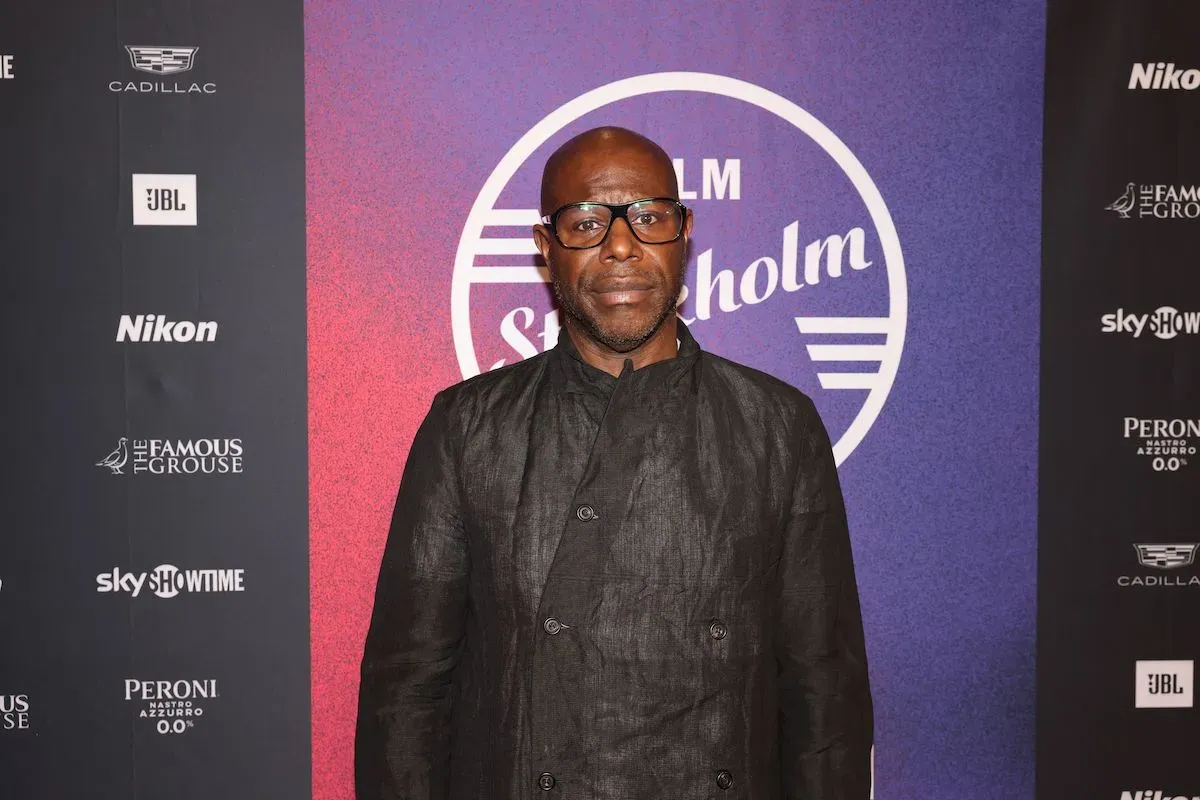
You know Steve McQueen as the director who brought us 12 Years A Slave, which snagged an Oscar for Best Picture. Now, the British filmmaker and artist has added another impressive line to his resume: the Erasmus Prize. It's not just a fancy title; it comes with a cool $172,000 and a rather charming, if old-school, folded paper booklet featuring text from a 16th-century Dutch scholar. Because, apparently, some traditions are just too good to digitize.
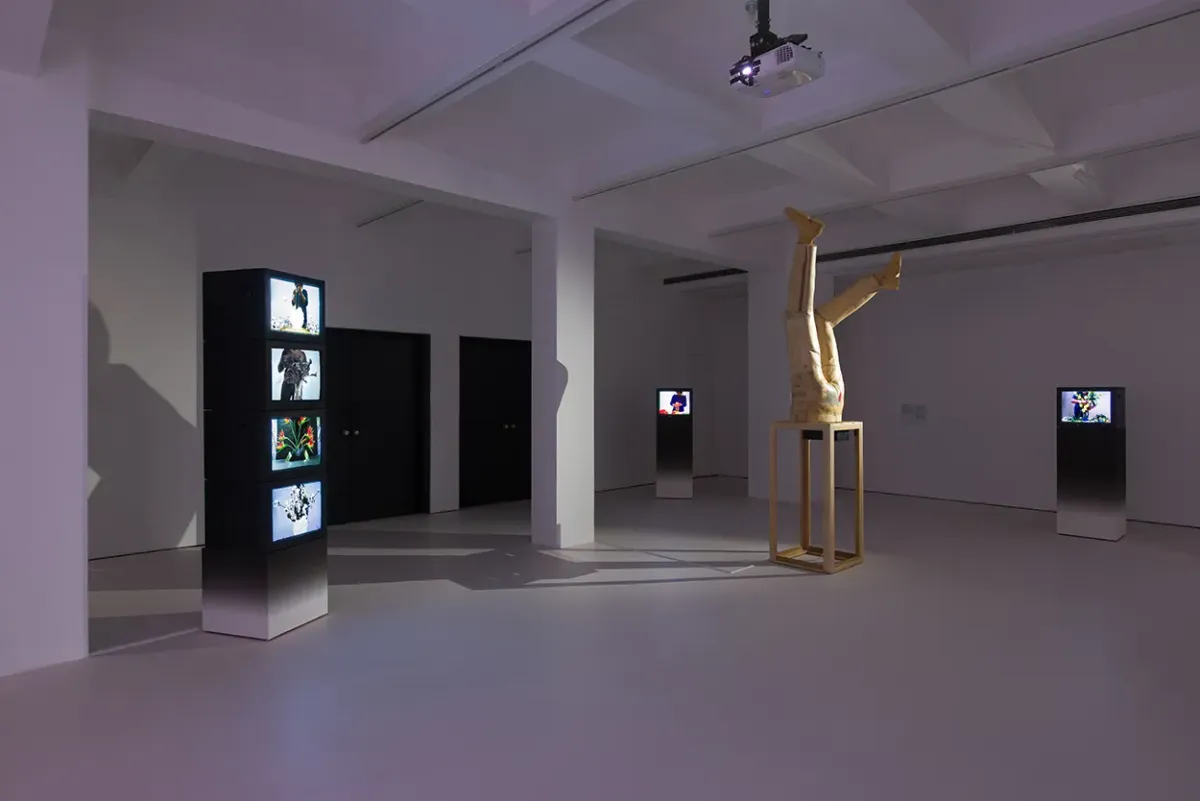
The Praemium Erasmianum Foundation, the Dutch cultural group behind the award, clearly has a soft spot for those who make us think. And McQueen's work certainly does that. Take his four-and-a-half-hour documentary, Occupied City (2023), which dives into Amsterdam during the Holocaust. Or Ashes (2015), a poignant piece featuring a man on a fishing boat in Grenada. He even managed to make the Statue of Liberty look new again in Static (2009), capturing it from a circling helicopter. Which, if you think about it, is both impressive and slightly terrifying for the pilot.
The Prize That Doesn't Play Favorites
The Erasmus Prize isn't just for the art-house crowd. This award has a delightfully eclectic history, honoring anyone—or anything—that's made an "exceptional contribution to the humanities, the social sciences or the arts, in Europe and beyond." And by "anything," they mean it. Past winners include comedian Trevor Noah (2023), writer Barbara Ehrenreich (2018), and even Wikipedia (2015). Yes, the entire internet encyclopedia. So, if you've ever wondered if your late-night research could win an award, now you know.
We're a new kind of news feed.
Regular news is designed to drain you. We're a non-profit built to restore you. Every story we publish is scored for impact, progress, and hope.
Start Your News DetoxThis year's theme for McQueen was "Ecce Homo, Behold the Human Being." The foundation noted that his work nudges people to "look carefully and without prejudice" and "recognize ourselves in others." A message that, let's be honest, feels particularly relevant in a world that occasionally seems determined to do the exact opposite. Here's to art that reminds us to actually see each other, even if it takes a 16th-century scholar and a very large check to get the point across.