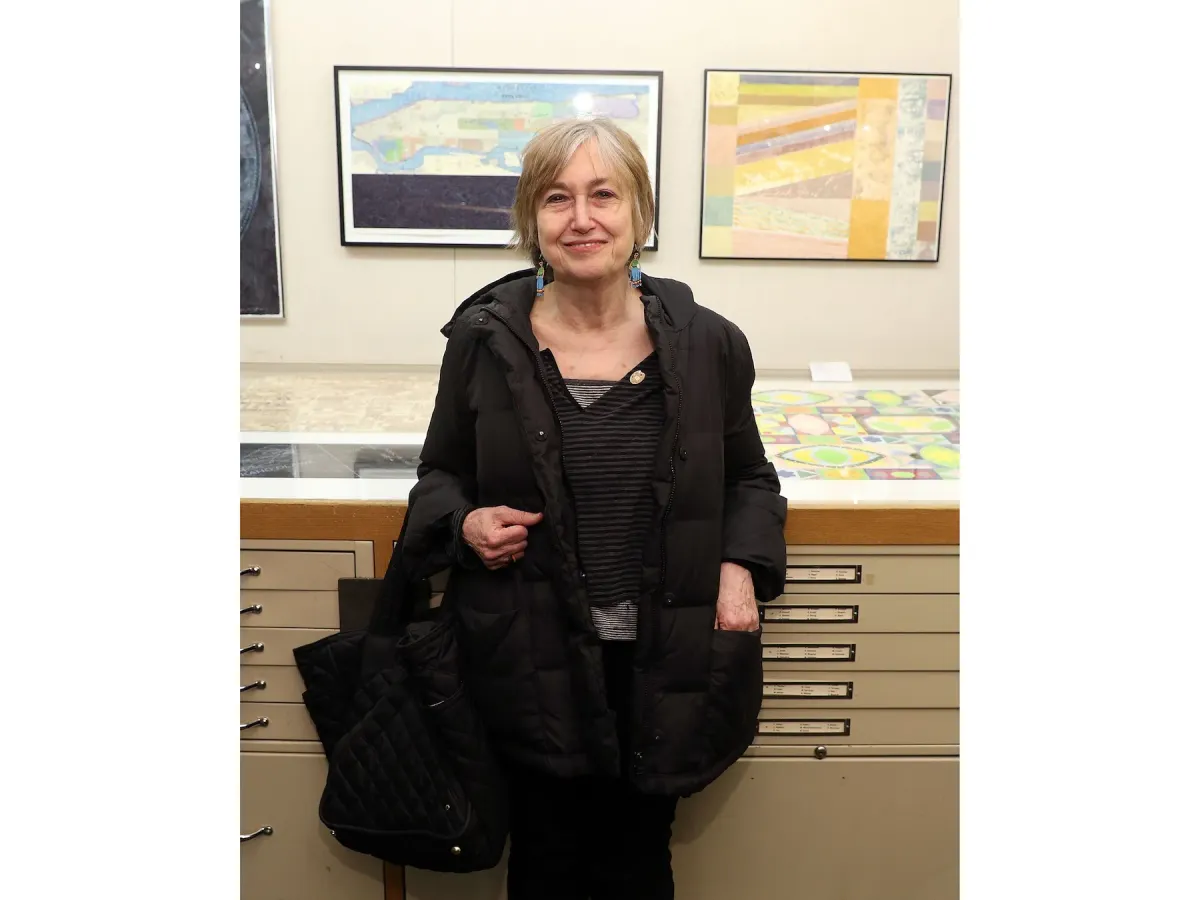
For four decades, the art world's most famous anonymous activists, the Guerrilla Girls, have been calling out sexism and racism from behind gorilla masks. Now, one of their founding members, Joyce Kozloff, has decided to pull hers off.
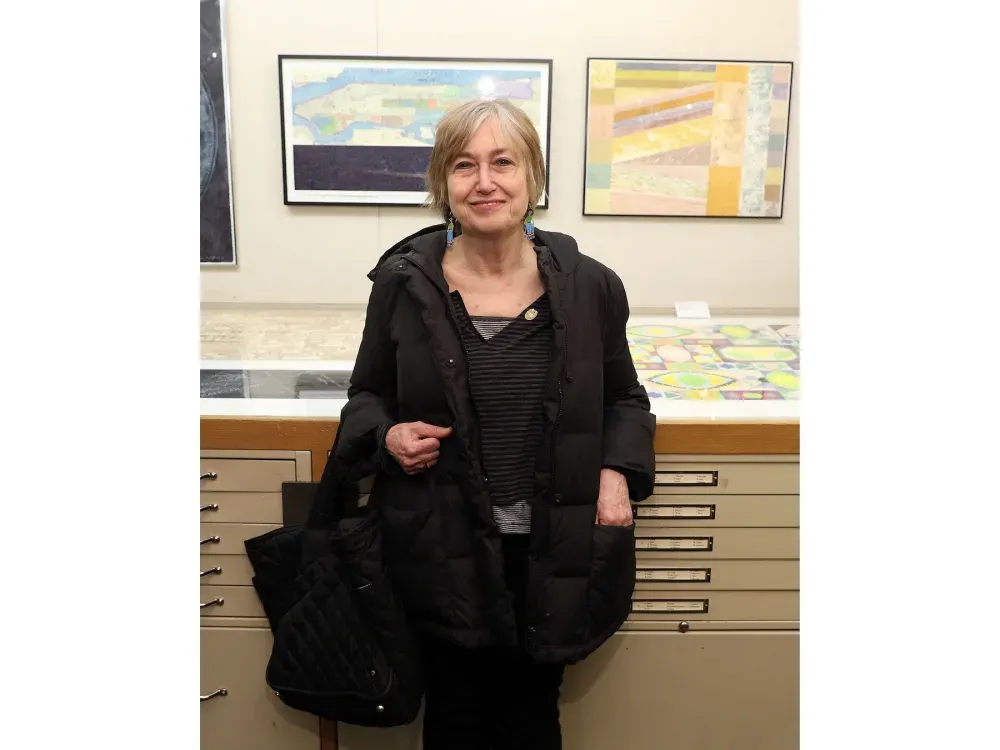
Kozloff, an artist known for her Pattern and Decoration movement work and co-founding the feminist magazine Heresies, publicly revealed her identity as "Lydia Popova" in a recent Art Journal Open interview. Because apparently, even art-world avengers get to tell their own story while they're still around to tell it.
The Accidental Gorilla Mask
It all started in 1984, when New York's Museum of Modern Art hosted an "International Survey of Painting and Sculpture." Out of 169 artists, fewer than 10% were women. The backlash, as you might imagine, was swift and masked.
We're a new kind of news feed.
Regular news is designed to drain you. We're a non-profit built to restore you. Every story we publish is scored for impact, progress, and hope.
Start Your News DetoxThe group, initially just calling themselves "the conscience of the art world," launched a poster campaign, targeting institutions that consistently overlooked women and non-white artists. Kozloff recalls early meetings where they'd show up in fishnet hose and short skirts, ready to call out the misogynists.
The gorilla masks? Pure accident. A new member, misunderstanding the "Guerrilla" part, brought an actual gorilla mask to a meeting. The rest, as they say, is art history. Each member adopted an alias named after a dead woman artist. Kozloff's was Liubov Popova, later shortened to Lydia.
Anonymity wasn't just about avoiding professional backlash, Kozloff explained. It was about keeping the focus squarely on the issues, not on whose name was attached to the critique. Which, if you think about it, is both impressive and slightly terrifying for anyone on the receiving end.
The "Advantages" of Being a Woman Artist
Kozloff also shared her hand in one of the group's most iconic posters: "The Advantages of Being a Woman Artist" (1988). The poster famously lists 13 tongue-in-cheek "advantages," like "Working without the pressure of success" and "Knowing your career might pick up after you're eighty." (Let that dry observation sink in.)
The inspiration struck Kozloff during a residency where she was sharing a house with three male artists, all married professors who conveniently brought their female students along. These students then doubled as girlfriends, housekeepers, cooks, and unpaid studio assistants. Because, of course.
Kozloff's original draft was titled "The Disadvantages of Being a Woman Artist," but other members brilliantly flipped it. Because nothing stings quite like polite irony.
Why Unmask Now?
Kozloff had a pact with another Guerrilla Girl: the survivor would reveal the other's identity. But as she told Ocula magazine, she realized she couldn't tell her own story if she were, well, dead. She described life as a Rashomon scenario, where everyone remembers things differently. And frankly, who wants their legacy handled by someone else's memory?
She left the group in 1991 and says the other surviving founders plan to keep their masks on. But after 40 years of fighting for visibility, it seems Kozloff decided it was finally time for her own.