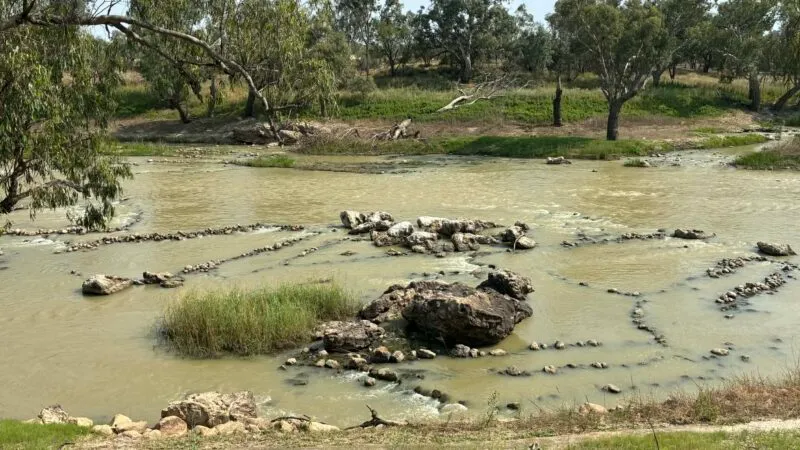
Imagine a construction project so old, it makes the Egyptian pyramids look like a weekend DIY job. That's the vibe at Brewarrina, Australia, where a series of intricate fish traps have been quietly doing their thing for millennia.
These aren't just a few rocks tossed in a river. Known as Baiame's Ngunnhu (among other names), these fish traps on the Barwon River in New South Wales are a sprawling, half-kilometer-long marvel of engineering. They're a testament to Indigenous ingenuity, using dry-stone weirs and ponds to perfectly exploit the river's seasonal ebbs and flows, funneling fish for thousands of years.
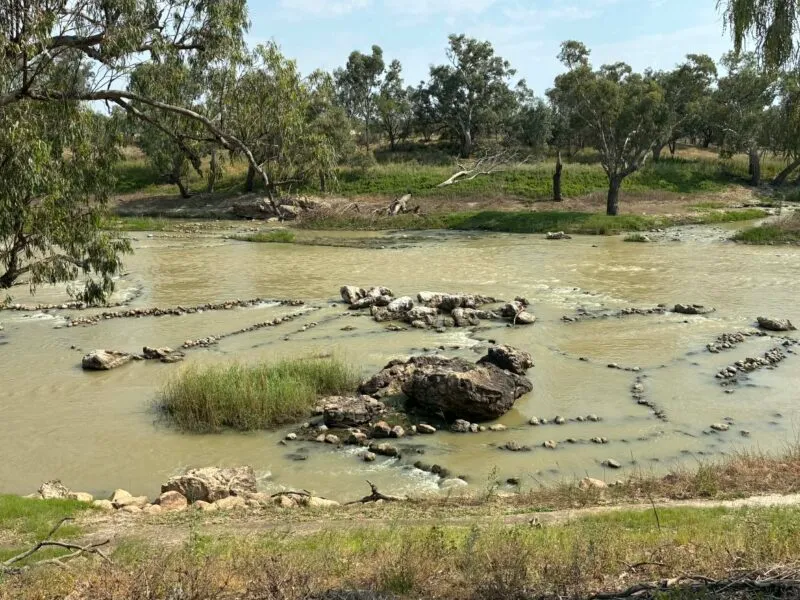
Before European colonization, this spot was a bustling hub, drawing up to 3,000 people from eight different tribes. The Ngemba people, the traditional custodians, believe the ancestral being Baiame designed them, throwing his net over the river and then, with his two sons, building the traps in its exact shape. Which, if you think about it, is both impressive and a very efficient way to get architectural plans.
We're a new kind of news feed.
Regular news is designed to drain you. We're a non-profit built to restore you. Every story we publish is scored for impact, progress, and hope.
Start Your News DetoxA Global Construction Mystery
Now, here's where it gets really interesting: some researchers are suggesting these traps could be the oldest human construction on Earth, possibly clocking in at 40,000 years old. Others peg them at a more modest (but still ancient) 1,000 years. The science is still shaking out the exact age, but even at the younger estimate, they're a remarkable example of Aboriginal innovation. They utterly dismantle the old, dusty notions about hunter-gatherer societies being, well, just hunter-gatherers.
Archaeologist Duncan Wright pointed out in 2015 that these traps showcase an incredible understanding and utilization of the natural landscape. It's a masterclass in sustainable food production that predates most of what we consider "civilization."
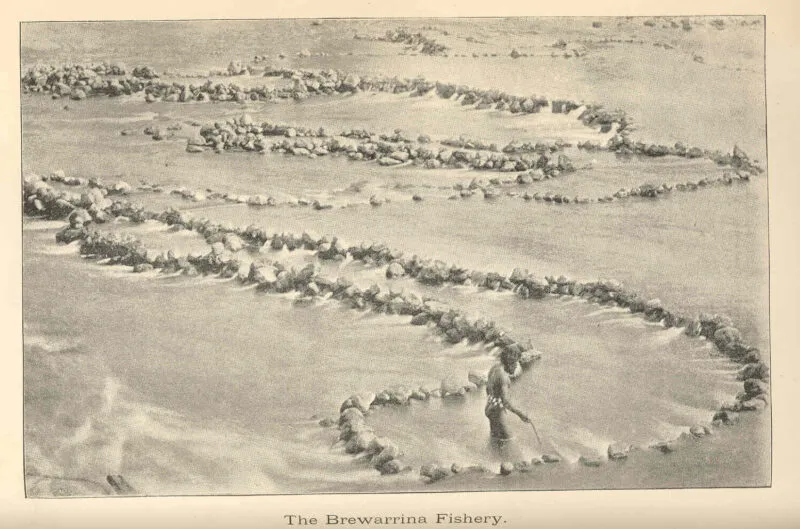
Sadly, not all the original Ngunnhu traps survived. Some were dismantled in the late 19th century to make way for paddle-steamers hauling wool to Adelaide. Because apparently, river transport for sheep products was more important than preserving a potential world wonder.
Today, the Brewarrina Aboriginal Cultural Museum works to promote this incredible heritage. The Murdi Paaki Regional Assembly emphasizes that the traps and the Aboriginal Lore governing them shaped deep, complex relationships among groups, covering everything from trade to ceremony.
It makes you wonder what else we've overlooked, doesn't it? A hidden history, literally carved in stone, that continues to feed and connect people across millennia.