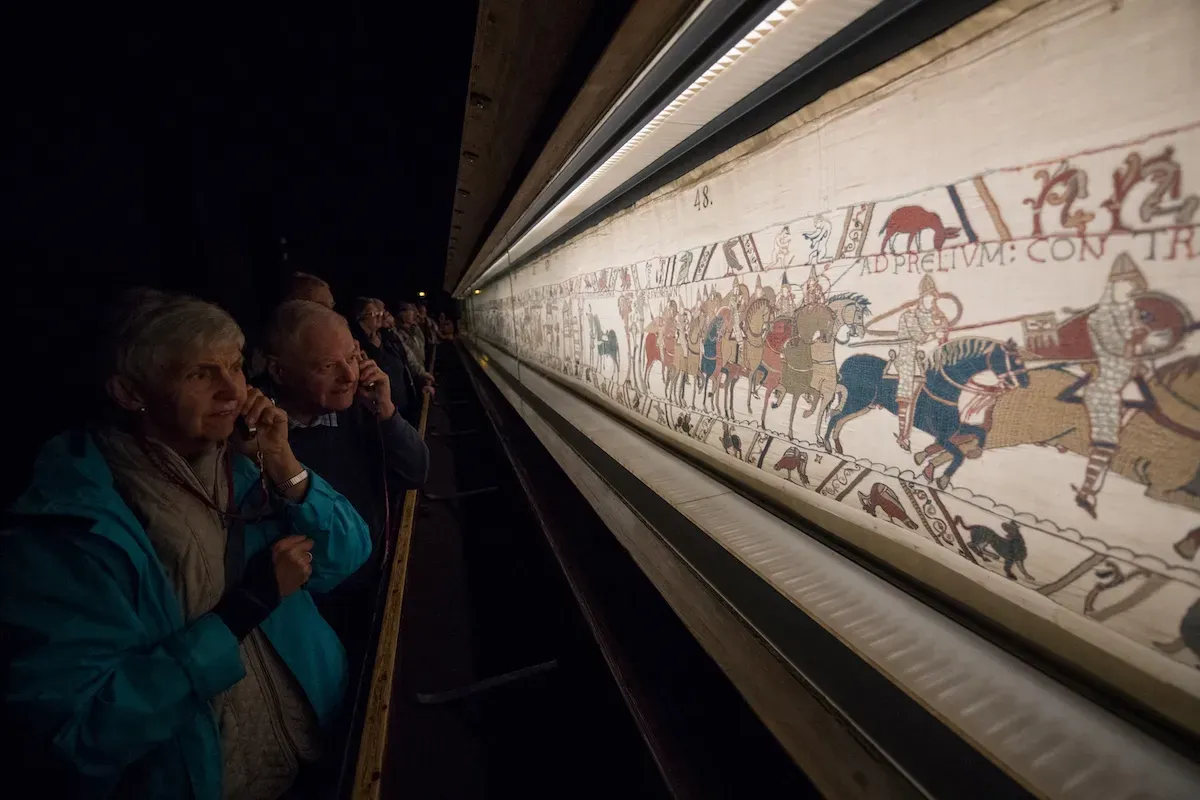
Imagine a priceless, 1,000-year-old piece of history making a secret, predawn journey across borders, complete with police escort and a handful of hushed dignitaries. No, it's not a heist movie. It's the Bayeux Tapestry, which just pulled off its most dramatic move in a millennium, arriving at the British Museum in London at 2:48 AM on a Friday.
Under the cloak of darkness, a yellow truck carrying a very important black box — designed to protect the fragile, ancient embroidery — rolled in. France's ambassador to the UK was there, along with a small, emotional crowd. Millie Horton-Insch, a curator for the museum's exhibition, admitted she "did well up a little bit." Which, honestly, fair. It's not every day you witness a 70-meter-long historical marvel making its grand, covert entrance.
Diplomacy, One Thread at a Time
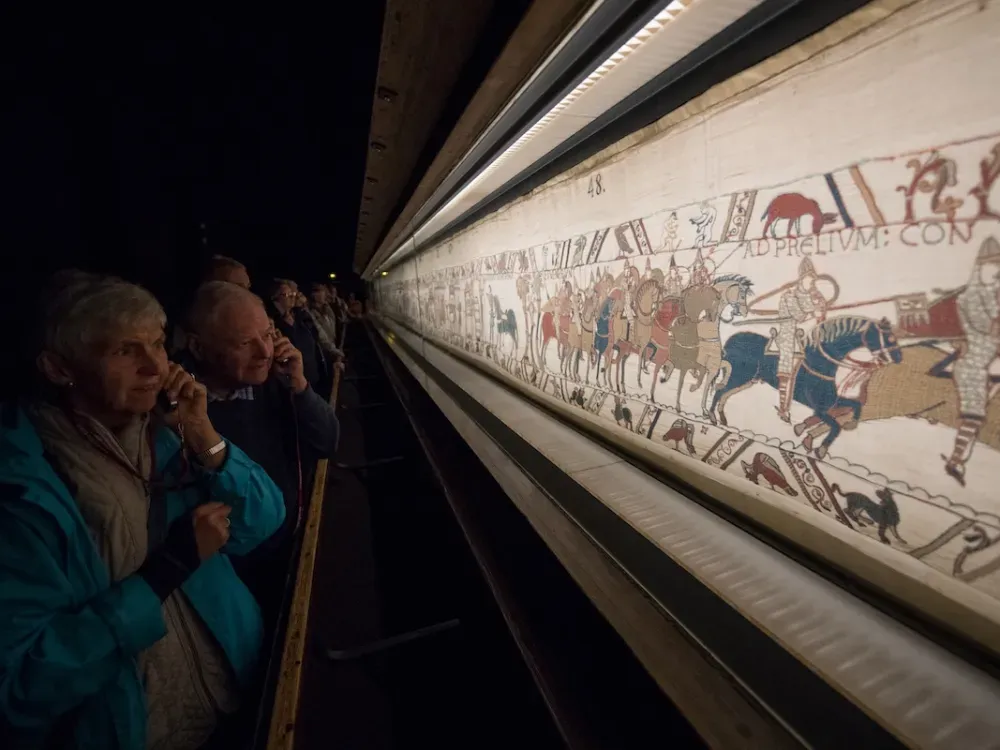
This isn't just about moving a very old, very impressive piece of needlework. This is the Bayeux Tapestry returning to England for what's believed to be the first time in a thousand years. Experts think nuns in Canterbury stitched it to chronicle the events leading up to the Battle of Hastings and the Norman Conquest of England in 1066. Talk about a comeback tour.
We're a new kind of news feed.
Regular news is designed to drain you. We're a non-profit built to restore you. Every story we publish is scored for impact, progress, and hope.
Start Your News DetoxBut wait, there's more! This whole endeavor is also a very carefully orchestrated diplomatic dance. French President Emmanuel Macron framed the loan as a move to strengthen French-British relations, a gentle nudge towards European unity and less reliance on, well, everyone else. He even posted a photo of the British Museum's slideshow on the white cliffs of Dover, featuring the tapestry and the word "merci." Because apparently, that's where we are now: art as a geopolitical olive branch.
Moving the tapestry, which already boasts its fair share of tears and holes, was no small feat. Some, including artist David Hockney, called the idea "madness." Yet, after a failed legal challenge, the journey commenced, thanks to "remarkable dedication" from curators, restorers, and engineers across Europe.
For now, the tapestry is chilling in its travel case, getting acclimated to its new digs. Soon, around 100 museum employees will carefully place it into a new display case. You can catch a glimpse starting in September, though tickets for this year are already gone. (You can, however, snag a spot for 2027. Plan ahead, history buffs.)
In a delightful exchange of historical treasures, the British Museum is lending France some of its own prized possessions, including the seventh-century Sutton Hoo funerary treasures and the 12th-century Lewis Chessmen. Because nothing says "long-standing friendship" like swapping ancient artifacts in the dead of night.