Morten Eek, a metal detector enthusiast in Norway, stumbled upon a small, dingy object. One side was silvery, the other copper-colored. He figured it was just another post-medieval clothing button — the kind you find everywhere when you're digging up history. He almost tossed it. Because, you know, buttons.
Turns out, he was holding a piece of Norway's last Viking king. Which, if you think about it, is slightly more interesting than a button.
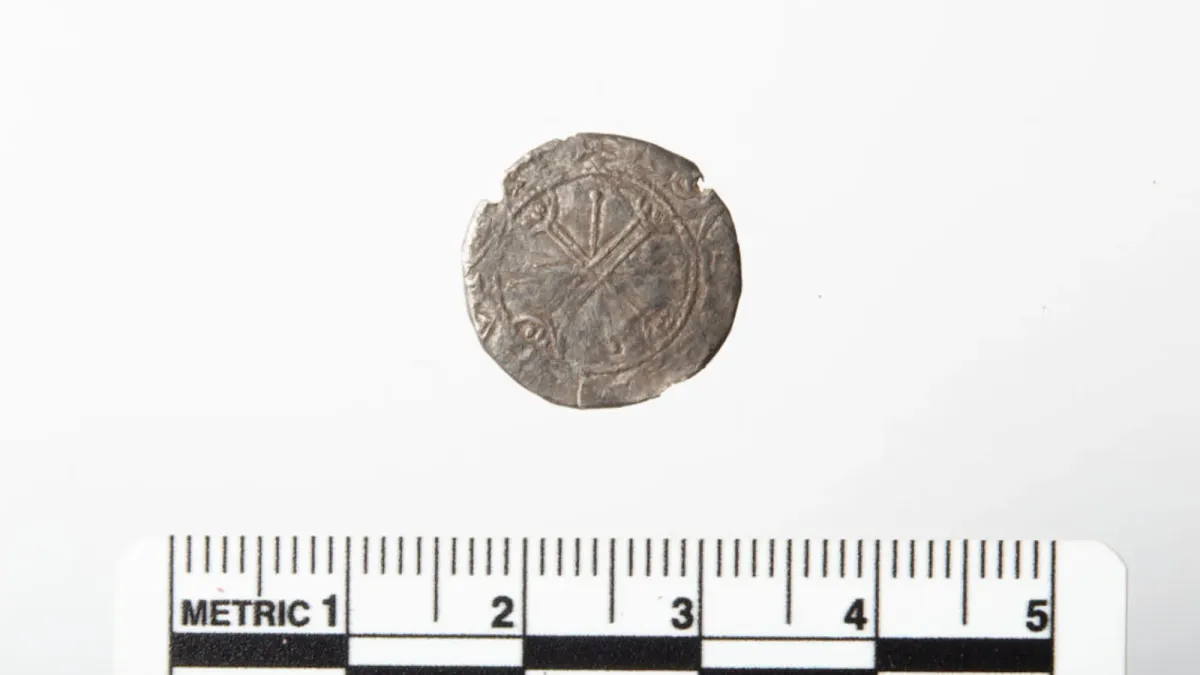
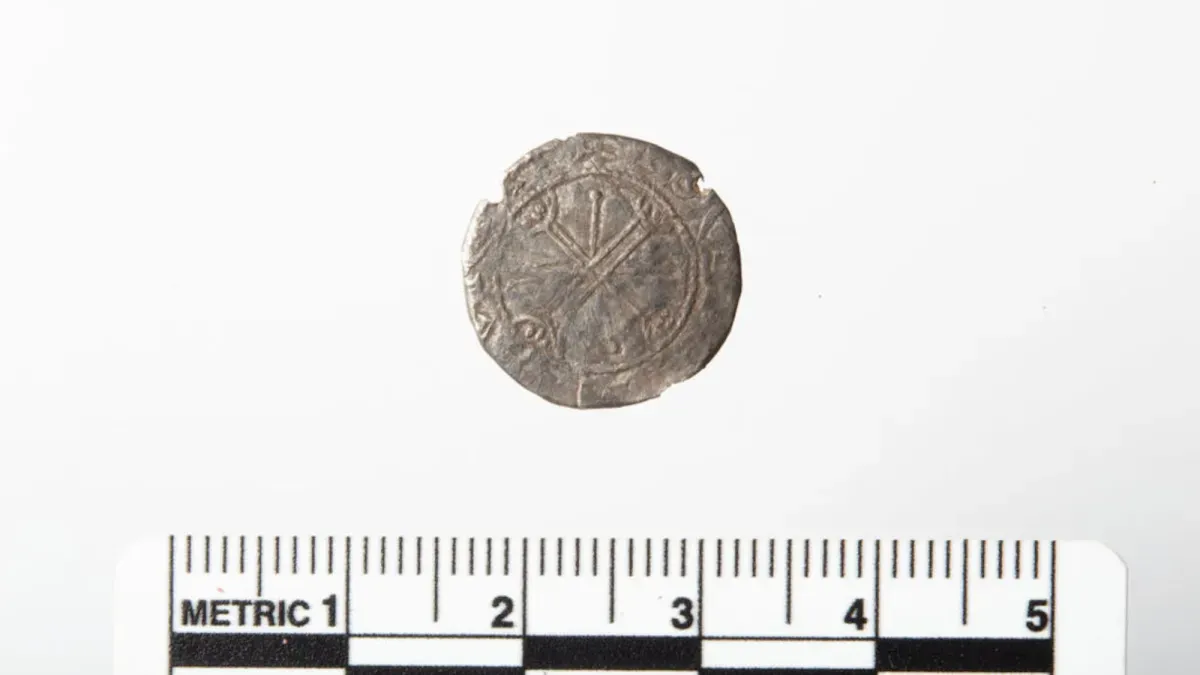
Months later, Eek and some fellow detectorists decided to give the supposed button a second look. They noticed a subtle cross design on the shinier side. Under a magnifying lens, the copper side revealed itself not as solid copper, but as a plate carefully folded around the object's edge. This was no ordinary button. Eek took his peculiar find to the archaeologists at Norway's University of Stavanger.
We're a new kind of news feed.
Regular news is designed to drain you. We're a non-profit built to restore you. Every story we publish is scored for impact, progress, and hope.
Start Your News DetoxFrom Button to Barefoot
Experts immediately knew this wasn't just some forgotten fastener. That copper plate? A "secondary modification," meaning someone had repurposed the object. Two tiny notches hinted it might have been worn on a chain. And the "cross over cross" design on the silver side screamed Viking, specifically from the late 11th or early 12th century CE.
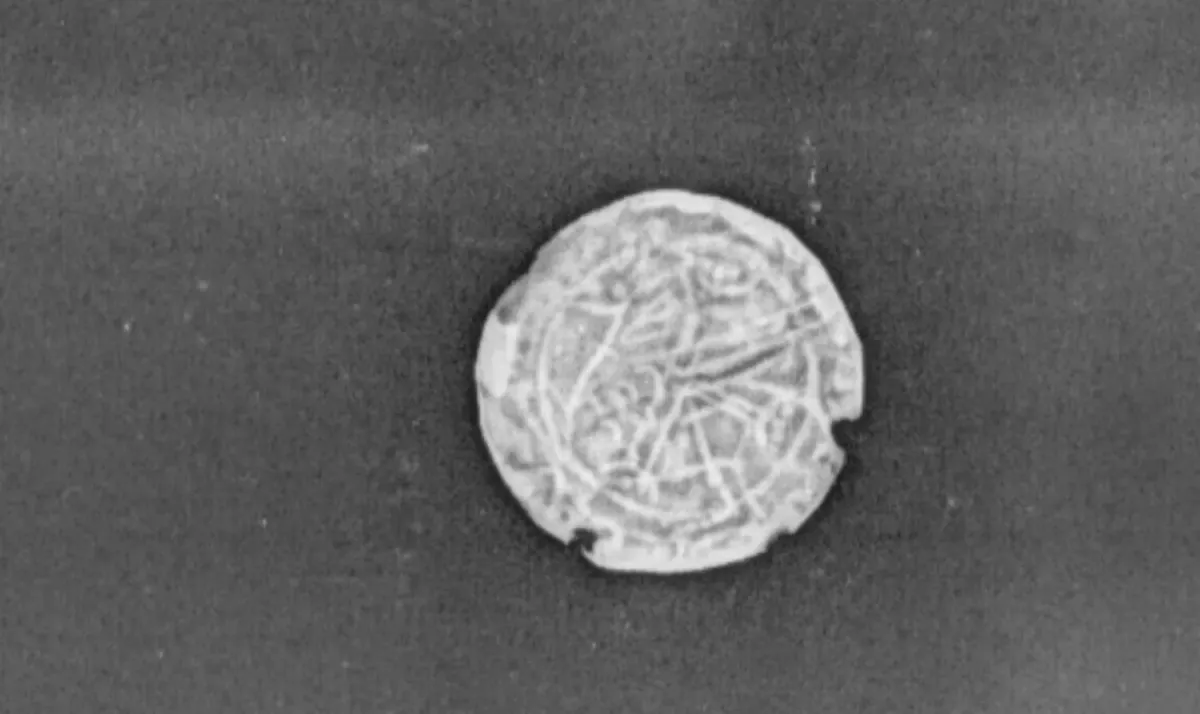
An inscription on the shiny side was too damaged to read, so the team turned to X-ray imaging, carefully avoiding any damage to the delicate artifact. What did the X-ray reveal? A griffin-like creature on the side hidden by the copper plate. Confirmation: not a button. Eek had found a rare coin from the reign of Magnus Berrføtt, better known as Magnus Barefoot.
Magnus Barefoot ruled Norway from 1093 to 1103 CE and is often considered the country's last true Viking king. Unlike his rather peaceful father, Magnus preferred a more... hands-on approach to foreign policy, expanding Norwegian influence across the North Atlantic, including the Isle of Man, parts of Ireland, and the Hebrides. He met his end in Ireland around age 30, ambushed during one of his campaigns.
King Barefoot was also a bit of a financial innovator. He reformed the currency by reducing the weight of coins while keeping the same amount of silver, boosting their fineness to about 90 percent. A savvy move for a Viking king.
Only about 100 Barefoot coins are known to exist, making Eek's almost-discarded find incredibly significant. Researchers are now hoping to pinpoint where the coin was minted, which could offer fresh insights into coin production at the very tail end of the Viking Age. All thanks to a metal detectorist who gave a second glance to what he thought was just an old button.