Just when you thought building a nuclear power station was all about concrete and kilowatts, British archaeologists unearthed a 5,800-year-old Neolithic monument in Suffolk, England. Because apparently, even the ground beneath future atomic energy has a storied past.
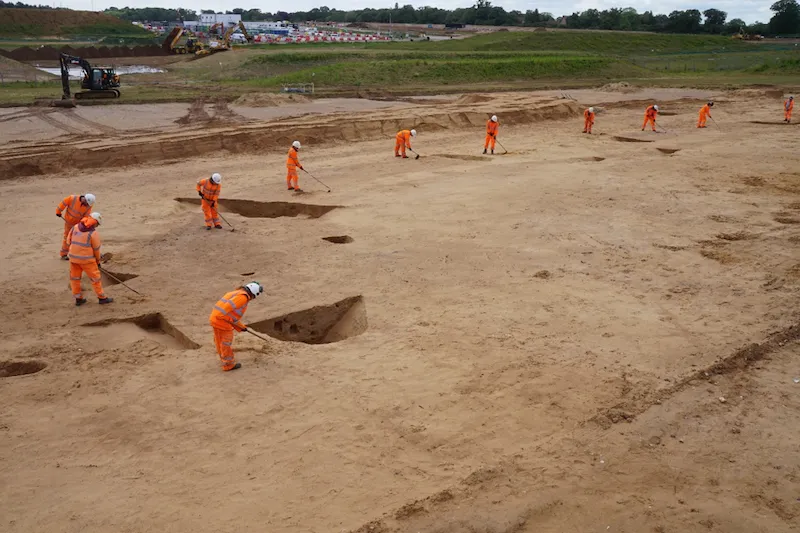
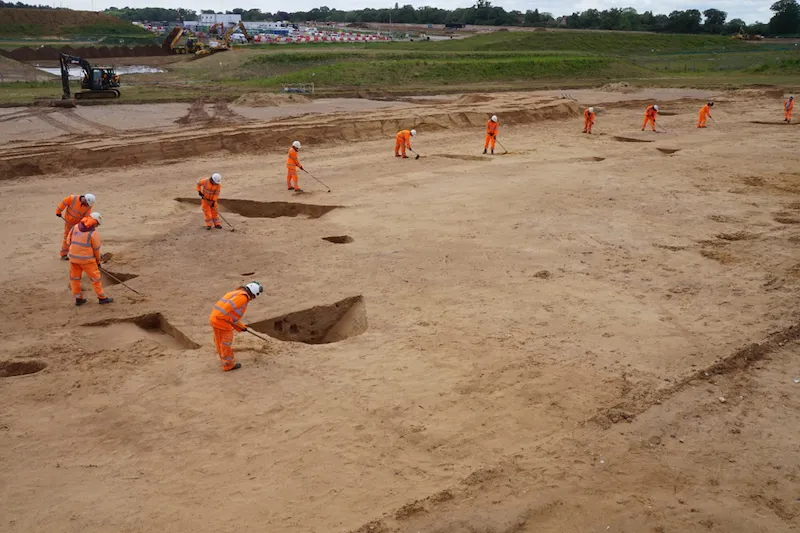
Oxford Cotswold Archeology (OCA), a research charity, stumbled upon this ancient earthwork — a type of long enclosure — while excavating the site earmarked for the Sizewell C nuclear power station. Talk about a pre-construction plot twist.
The Original Community Center
For those not fluent in ancient history, the Neolithic period in Britain (roughly 4000 to 2500 BCE) was when folks swapped their hunter-gatherer lifestyles for farming, pottery, and, you know, building really big things like Stonehenge. These long enclosures are among the earliest and rarest structures from that era: rectangular open spaces, defined by ditches, that experts believe were the original community gathering spots or ceremonial grounds. Think of them as the ancient world's town squares, but without the artisanal coffee carts.
We're a new kind of news feed.
Regular news is designed to drain you. We're a non-profit built to restore you. Every story we publish is scored for impact, progress, and hope.
Start Your News DetoxThis particular enclosure at Sizewell C stretches about 165 feet long and 65 feet wide. Over millennia, its original shape had faded into the landscape, forcing excavators to rely on subtle shifts in soil color to trace its outline. It's like finding a ghost outline of a building, but with dirt instead of ectoplasm.
To pin down its age, archaeologists deployed a technique called optically stimulated luminescence (OSL). This fancy method revealed the ditches were first dug around 3800 BCE, right in the Early to Middle Neolithic period. Later layers of dirt showed the monument was still part of the local scenery right up to the Beaker period (2450–1800 BCE), meaning it stuck around for a good long while.
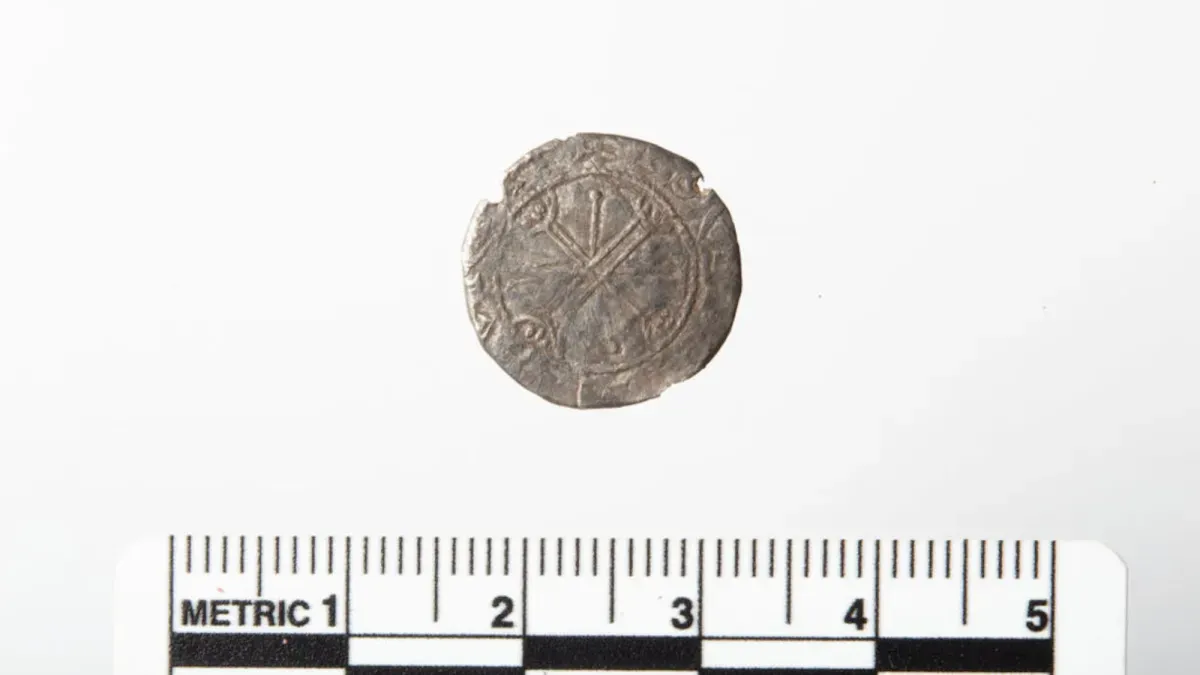
A few pottery fragments and some worked flints also helped confirm the timeline, though the flints were a bit coy about their exact age. OCA noted this Neolithic long enclosure is a significant discovery, a rare window into how people over 5,000 years ago shaped the very same land that's now prepping for a nuclear future. Which, if you think about it, is both impressive and slightly mind-bending.