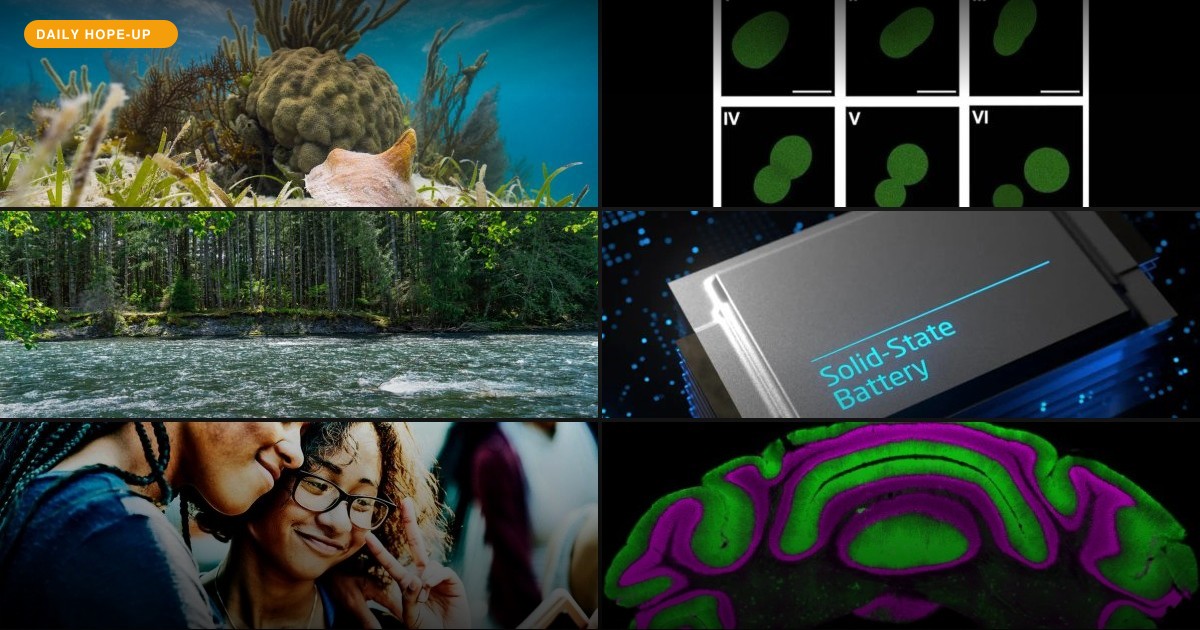
Today, it felt like the world's best problem solvers were finally given the keys to some seriously powerful tools – and they immediately started unlocking hidden knowledge and building entirely new things. From mapping unseen ocean ecosystems to peering into the very 'thoughts' of AI, and even constructing a self-replicating cell, it seems the age of discovery just got a significant upgrade.
The Unseen World, Now Mapped
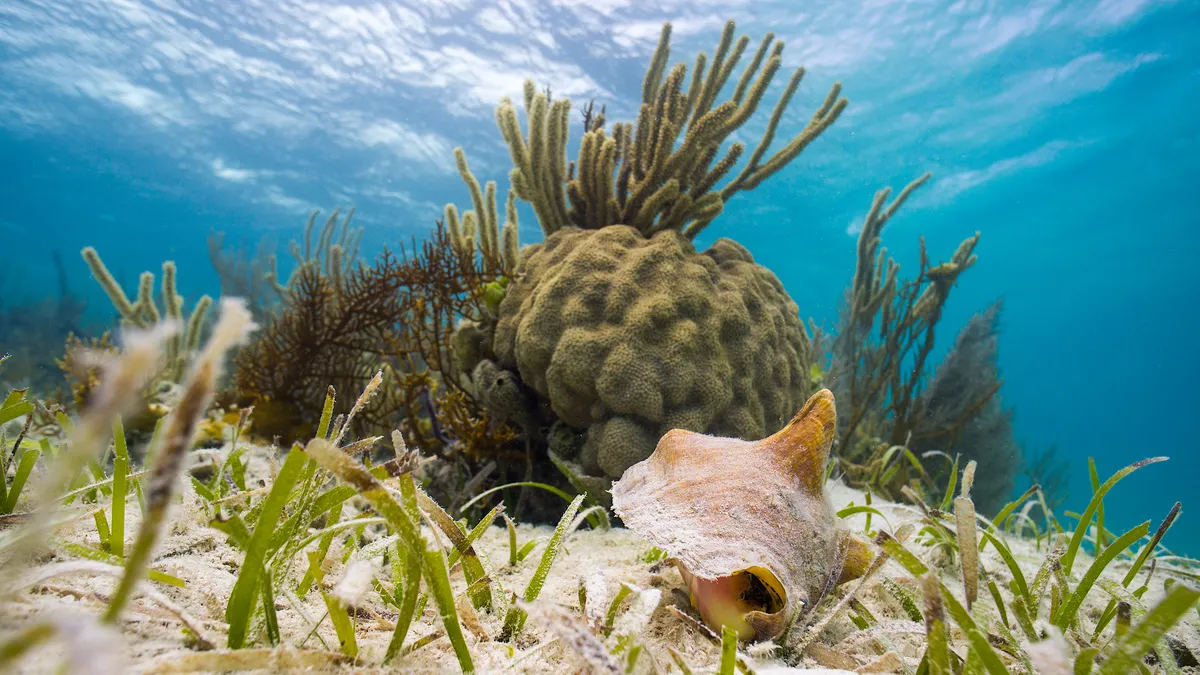
For centuries, we've largely relied on human eyes and painstaking surveys to understand the natural world. This week, a team at Arizona State University used AI to produce the first high-resolution map of global seagrass extent. These underwater meadows, vital for marine life and carbon sequestration, have largely been a mystery. The map revealed almost 70% of all seagrass lies off the coasts of just five countries, with a concerning 79% of it unprotected. It’s a stark reminder of what we don’t see – and what we might be losing.
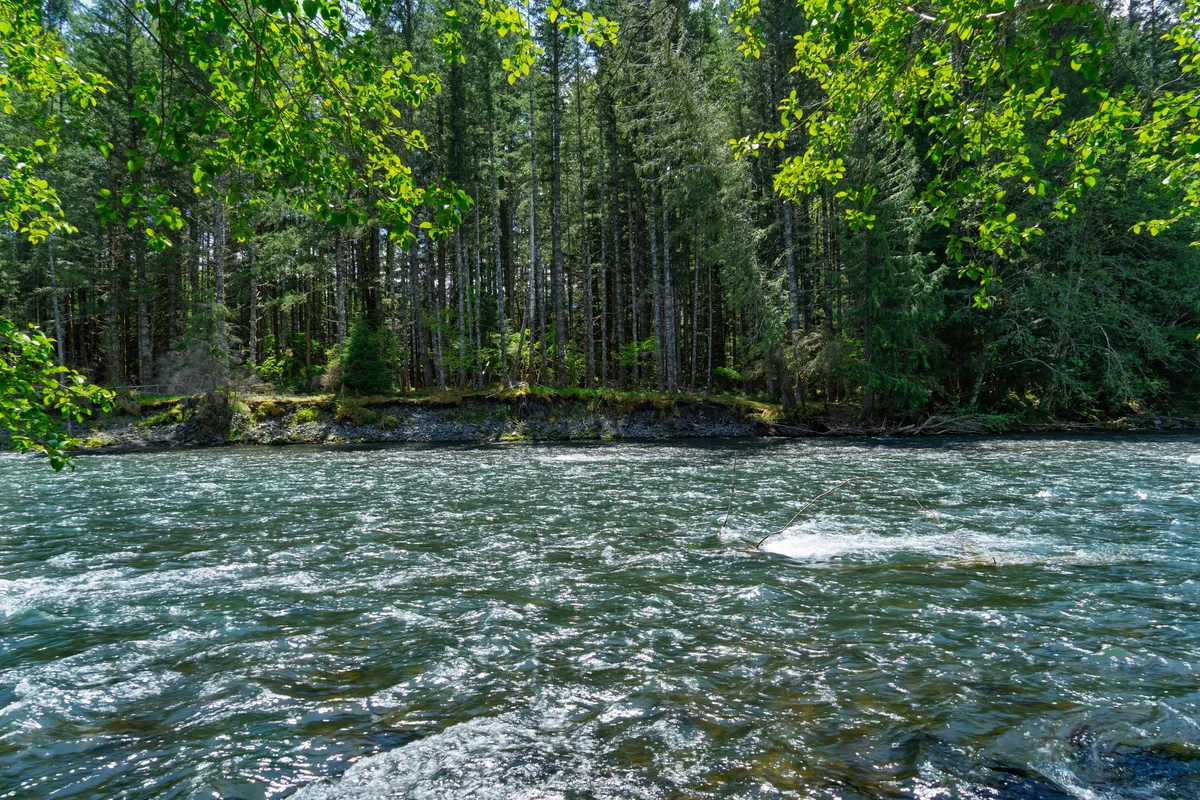
This same spirit of 'seeing the unseen' extended to wildlife census. Forget waiting for two ecologists to produce different species lists; now, a single bottle of river water can count every animal nearby. Environmental DNA (eDNA) is proving to be a game-changer, turning a simple water sample into a comprehensive wildlife census. It’s like the natural world finally got its own, highly efficient, digital scanner.
We're a new kind of news feed.
Regular news is designed to drain you. We're a non-profit built to restore you. Every story we publish is scored for impact, progress, and hope.
Start Your News DetoxWhat this means for you: We're finally getting the data we need to protect crucial ecosystems and species, not just guess about them. Ignorance is no longer an excuse.
"The coral had been declared dead in 2019. Five years later, it's not just alive — it's spawning." — Read the full story
The Building Blocks of Tomorrow, Assembled Today
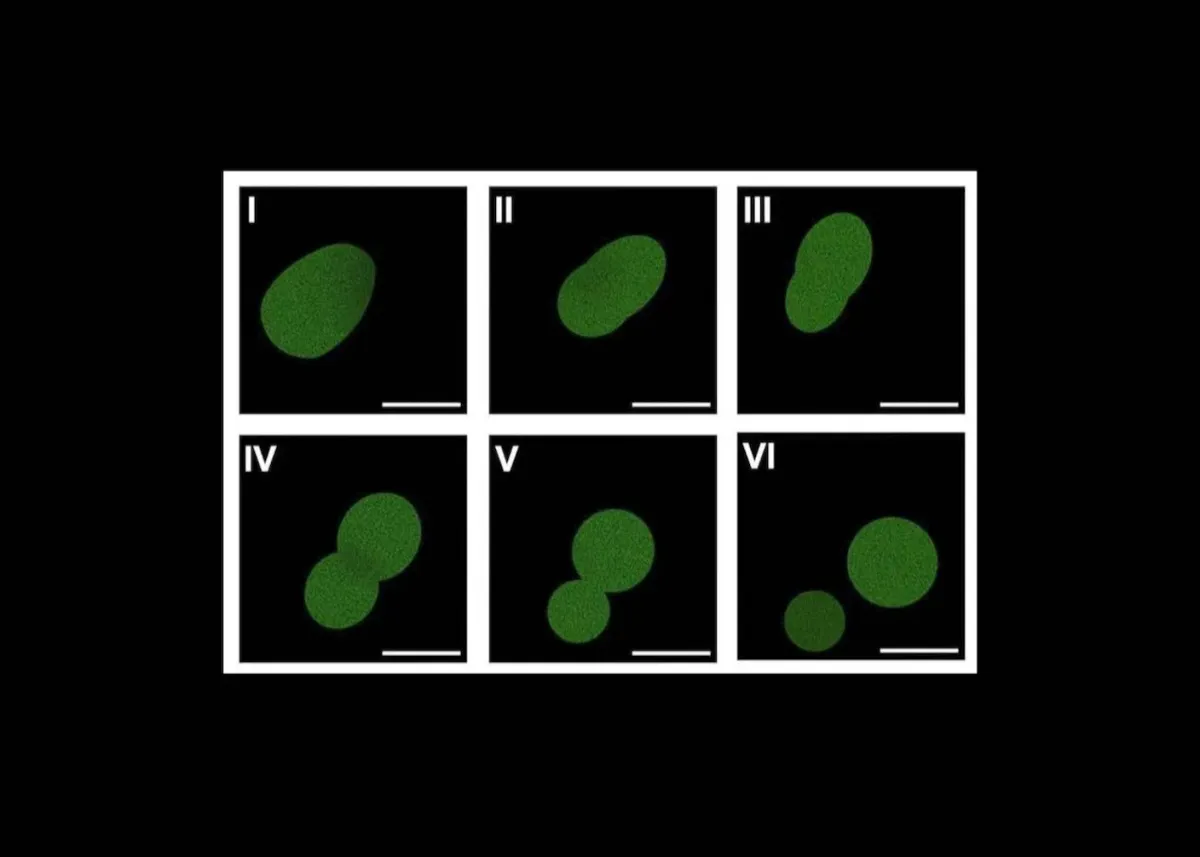
While some were mapping the world, others were busy building new ones. Or, at least, new life. Scientists at Arizona State University unveiled 'SpudCell' – a synthetic cell that grows, copies its DNA, and produces offspring. They're calling it a "potato" because, well, it's not exactly alive, but it's a massive leap toward synthetic biology's dream of building life from scratch. It’s a testament to the ingenuity of taking disparate, non-living components and coaxing them into something that mimics the most fundamental processes of life.
Meanwhile, the quest for better power continued its steady march. Researchers solved a key mystery plaguing solid-state batteries, potentially clearing the path for batteries that could make your phone last for days. And for grid-scale solutions, US firm ESS launched a modular sodium-ion battery system, ditching lithium for salt to power everything from data centers to utilities. It seems the future of energy storage is looking decidedly less volatile.
What this means for you: The foundational technologies that will power our future, from bio-engineering to energy grids, are advancing rapidly, promising more robust and sustainable solutions.
A Peek Behind the Digital Curtain
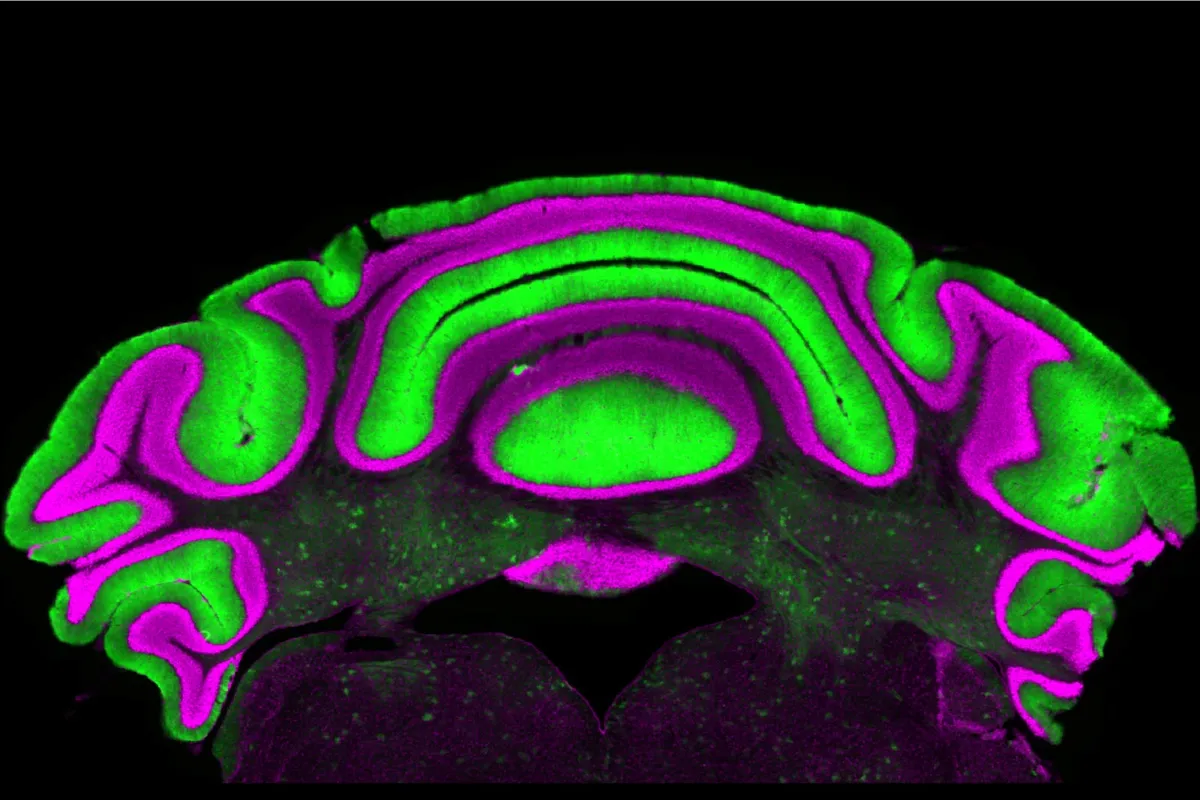
And for those wondering what exactly goes on inside the digital brains shaping our world, Anthropic just gave us a peek. They developed a technique that gave them the clearest glimpse yet at what’s really going on inside large language models like Claude, revealing a secret 'thought space' where AI puzzles over concepts. It's a reminder that even as AI becomes more powerful, we're still grappling with understanding its internal workings, a necessary step for responsible development.
What this means for you: As AI becomes more integral to our lives, tools that help us understand its inner workings are crucial for ensuring its safety and reliability.
Hope stat: 79% — of the world's newly mapped seagrass meadows are currently unprotected. Watch this space: The global push to protect newly identified critical marine habitats will undoubtedly gain momentum.