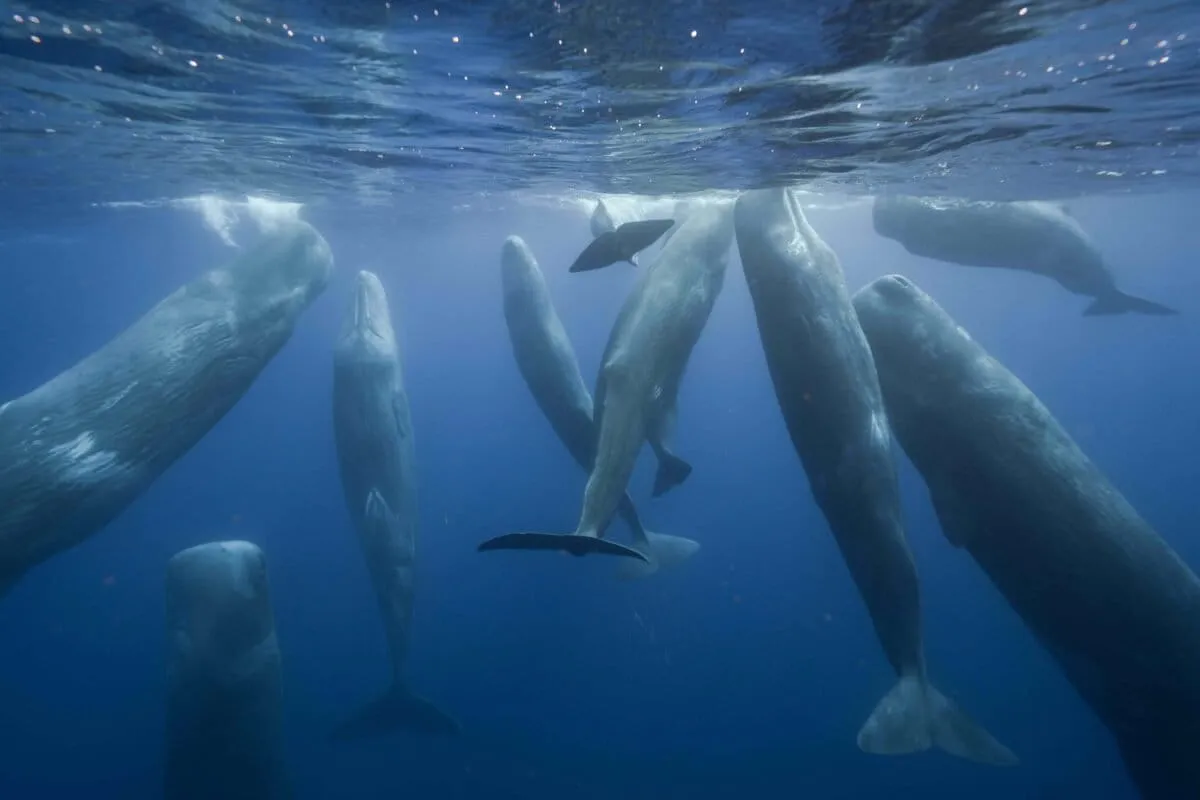
At the end of 2024, the Azores had done something most countries only talk about: they actually protected their ocean. The archipelago created marine reserves covering 30% of its waters—an area three times larger than Portugal itself—and did it years ahead of the global 2030 deadline. Half of these reserves are completely off-limits to fishing and extraction. It was a genuine milestone, and other nations started asking how to replicate it.
Then, barely into 2025, a proposal landed on the Regional Assembly's desk: allow industrial tuna fishing in the no-take zones.
The stakes of a loophole
What makes the Azores' network unusual is the rigor. The European Union requires member states to fully protect 10% of their waters. The Azores committed to 15%—half their entire reserve network locked down completely. This matters because marine reserves that permit industrial fishing are what conservationists call "paper parks": they look protected on a map but function as fishing grounds. The International Union for Conservation of Nature is clear on this: if you're extracting resources, it doesn't count as full protection.
We're a new kind of news feed.
Regular news is designed to drain you. We're a non-profit built to restore you. Every story we publish is scored for impact, progress, and hope.
Start Your News DetoxThe tuna proposal specifically targets pole-and-line fishing, a method that's more selective than industrial nets but still removes biomass from areas meant to recover. It's the kind of wedge that, once driven in, becomes harder to remove. One exception becomes precedent. Other fishing interests notice. The logic erodes.
The Azores achieved something rare: a political decision that matched scientific consensus. The archipelago sits in the North Atlantic, an ecosystem under pressure from warming waters and overfishing. These reserves give fish populations space to rebuild, which stabilizes food webs and, eventually, makes commercial fishing more viable elsewhere. It's not charity toward the ocean—it's pragmatic stewardship.
What happens next will be watched closely. The Azores has already proven it can move faster than global timelines. If it can also resist the pressure to weaken what it built, it sets a different kind of precedent: that environmental commitments can actually hold.