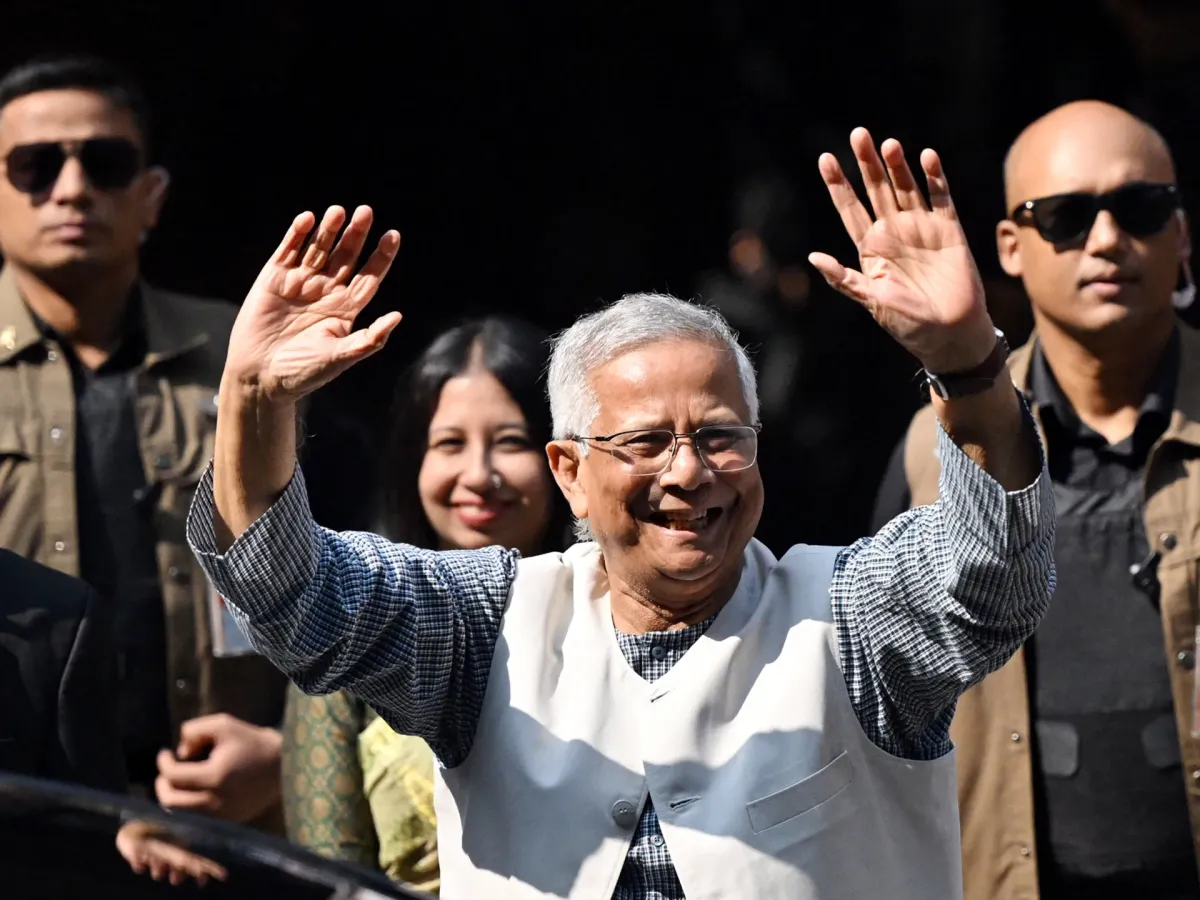
Muhammad Yunus, the 85-year-old Nobel Peace Prize winner who led Bangladesh through its most turbulent period in recent memory, announced his resignation on Monday. His interim government, which took charge after a student-led uprising toppled Prime Minister Sheikh Hasina in 2024, is now making way for an elected parliament.
Yunus returned from self-imposed exile in August 2024 to stabilize a country in upheaval. Now, 18 months later, he's stepping back — but not without a parting message. "Let the practice of democracy, freedom of speech, and fundamental rights that has begun not be halted," he said in his farewell broadcast.
The handover follows Bangladesh's first general elections since the uprising. On February 12, voters chose a new parliament and, in a separate referendum, endorsed sweeping democratic reforms. The Bangladesh Nationalist Party (BNP), led by Tarique Rahman, won 212 of the 300 parliamentary seats — a decisive mandate that will see Rahman become prime minister when he's sworn in on Tuesday.
We're a new kind of news feed.
Regular news is designed to drain you. We're a non-profit built to restore you. Every story we publish is scored for impact, progress, and hope.
Start Your News DetoxEuropean Union observers called the elections "credible and competently managed," and Yunus himself praised them as a benchmark for future democratic practice. The reforms voters endorsed — known as the "July Charter" — propose term limits for prime ministers, the creation of an upper house, stronger presidential powers, and greater judicial independence. These changes sit at the heart of what the 2024 uprising demanded: a more accountable, less concentrated system of government.
Rahman, from one of Bangladesh's most powerful political dynasties, has already signaled the tone he wants to set. Despite his party's landslide victory, he called for unity: "Our paths and opinions may differ, but in the interest of the country, we must remain united." The Jamaat-e-Islami party, which won 77 seats, will serve as the main opposition.
What comes next will test whether these democratic foundations hold. Political analyst Rezaul Karim Rony pointed to the real work ahead: "The challenge now is to ensure good governance, law and order, and public safety, and to establish a rights-based state, which was at the heart of the aspirations of the 2024 mass uprising."
Yunus leaves behind institutions rebuilt from crisis and a population that has tasted democratic participation. Whether the new government can deliver on the promises that uprising made — and the reforms voters just endorsed — will shape Bangladesh's next chapter.