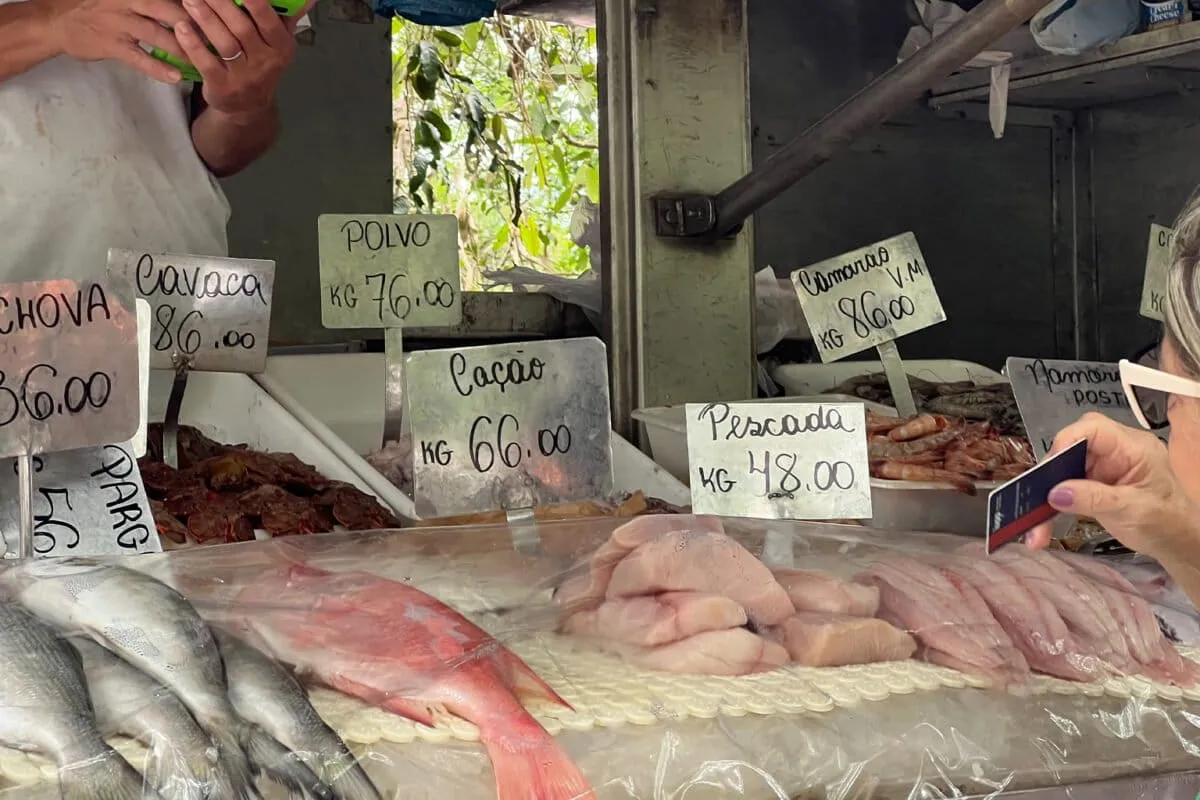
Rio de Janeiro's education department just pulled shark meat from nearly all its state school cafeterias, citing mercury contamination and overfishing risks. The decision affects roughly 1,000 schools across the state.
The move follows a July 2025 Mongabay investigation that revealed how quietly shark meat had infiltrated Brazil's public food system. Since 2024 alone, over 5,400 metric tons of shark meat have been purchased through public tenders for schools, elderly care facilities, and other institutions. Most Brazilians eating it had no idea — the meat is generically labeled "cação" rather than "tubarão" (the Portuguese word for shark), deliberately obscuring what's on the plate.
This labeling opacity creates a perfect storm for conservation. When shark meat is unidentifiable, endangered species can slip into the supply chain through illegal fishing, sold to unwitting buyers who think they're purchasing something routine. Conservationists have flagged this for years as a major driver of shark population decline.
We're a new kind of news feed.
Regular news is designed to drain you. We're a non-profit built to restore you. Every story we publish is scored for impact, progress, and hope.
Start Your News DetoxBut the health argument may be just as compelling. Sharks are apex predators, which means they bioaccumulate heavy metals — particularly mercury — in their tissue over their lifespans. Mercury is a neurotoxin with no safe exposure level, and children's developing bodies are especially vulnerable to its effects. Rio's education department acknowledged this directly in their announcement: "The suspension was based on technical, scientific, health and environmental grounds, complying with the principle of precaution and comprehensive protection of children."
Not everyone is celebrating. The Brazilian Association for the Promotion of Fish pushed back, arguing that shark consumption is "completely legal and safe," and warning that removing it from school menus could harm fishing communities who depend on the trade. It's a real tension — environmental protection versus economic livelihoods in communities that have relied on shark fishing.
Rio's ban doesn't solve that tension, but it does signal a shift in how one major institution is weighing the tradeoffs. Whether other Brazilian states follow, and how fishing communities adapt, will shape what comes next.