Discarded single-use vapes are a growing problem. The United Nations estimated that 844 million vapes were thrown away by 2022. In 2023, about 500,000 vapes were discarded daily.
Many of these vapes contain rechargeable lithium-ion batteries. This makes them a significant source of e-waste. YouTuber Chris Doel decided to find a way to reuse these discarded vapes.
Doel has a history of creative projects using vapes. He once powered an e-bike with them. He also built a vape-powered battery pack for his home workshop. His latest challenge was to power an electric car.
We're a new kind of news feed.
Regular news is designed to drain you. We're a non-profit built to restore you. Every story we publish is scored for impact, progress, and hope.
Start Your News Detox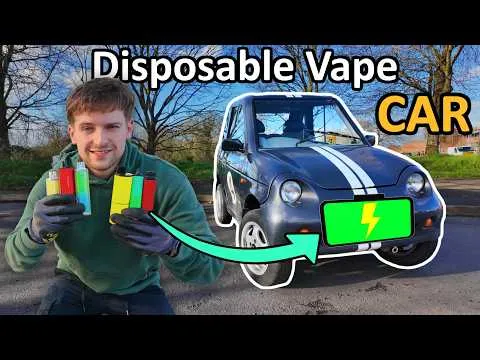
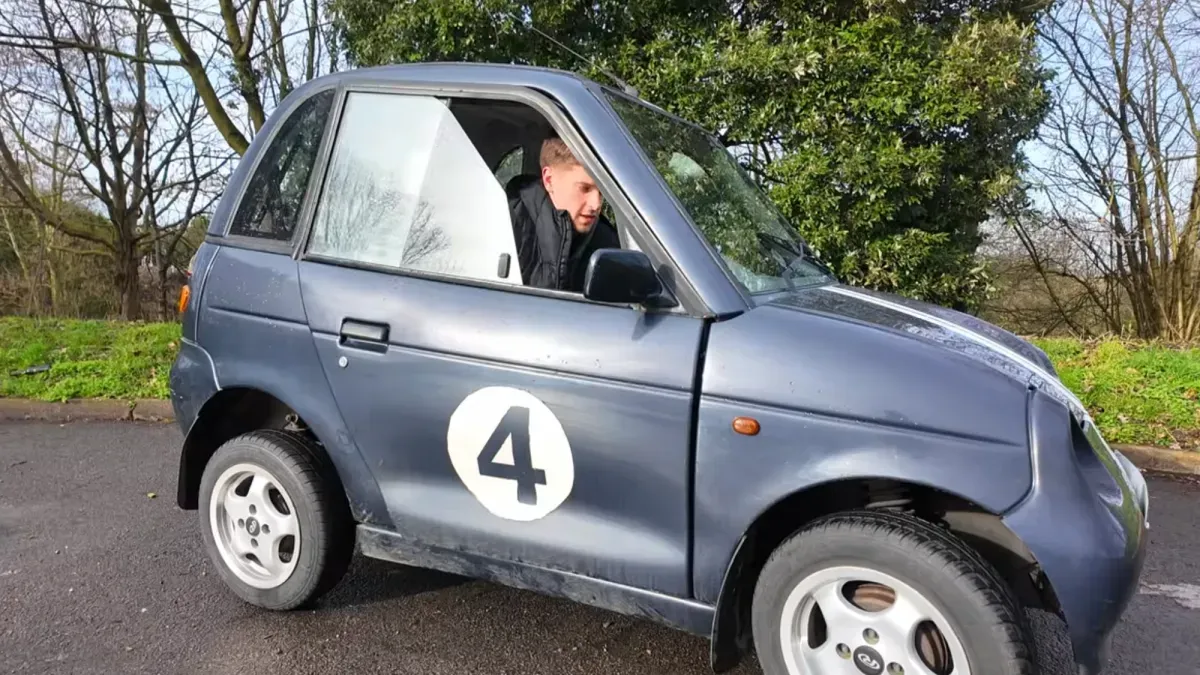
Doel used over 500 discarded vapes to power a Reva G-Wiz. This is a small, older electric vehicle. He combined the vape batteries into 14 rows. This created a 50-volt, 2.5-kilowatt-hour battery pack.
The vape battery pack was powerful enough to start the G-Wiz. It drove the car for 18 miles. The car even reached speeds of nearly 40 miles per hour. Doel highlighted the waste involved in throwing away these rechargeable batteries.
Turning Scavenged Vapes into a Working Battery Pack
Doel collected many vapes from a music festival. He tested each lithium-ion battery cell to see which ones still worked. Then, he arranged the working batteries into modules. Each module could store about 2.3 kilowatt-hours of energy.
He chose the G-Wiz because of its small battery capacity. Powering a modern EV would need about 12,000 vape cells. The G-Wiz only has 17 horsepower and a top speed of 50 miles per hour. This made it a good choice for the experiment.
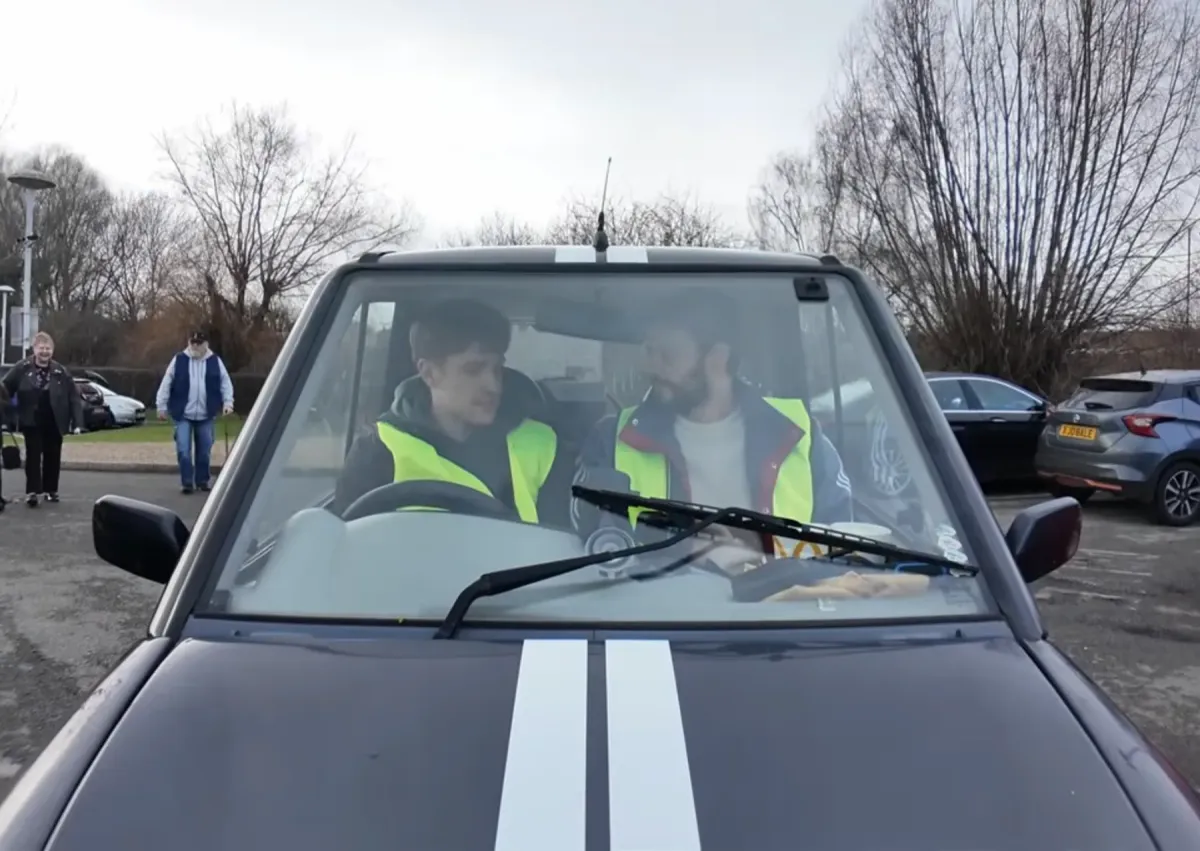
Caption: Doel tested his Frankenstein battery at a drive-through. Image: Chris Doel
Doel needed to build a strong enclosure for the batteries. This kept them from moving around in the car. He used aluminum panels for this.
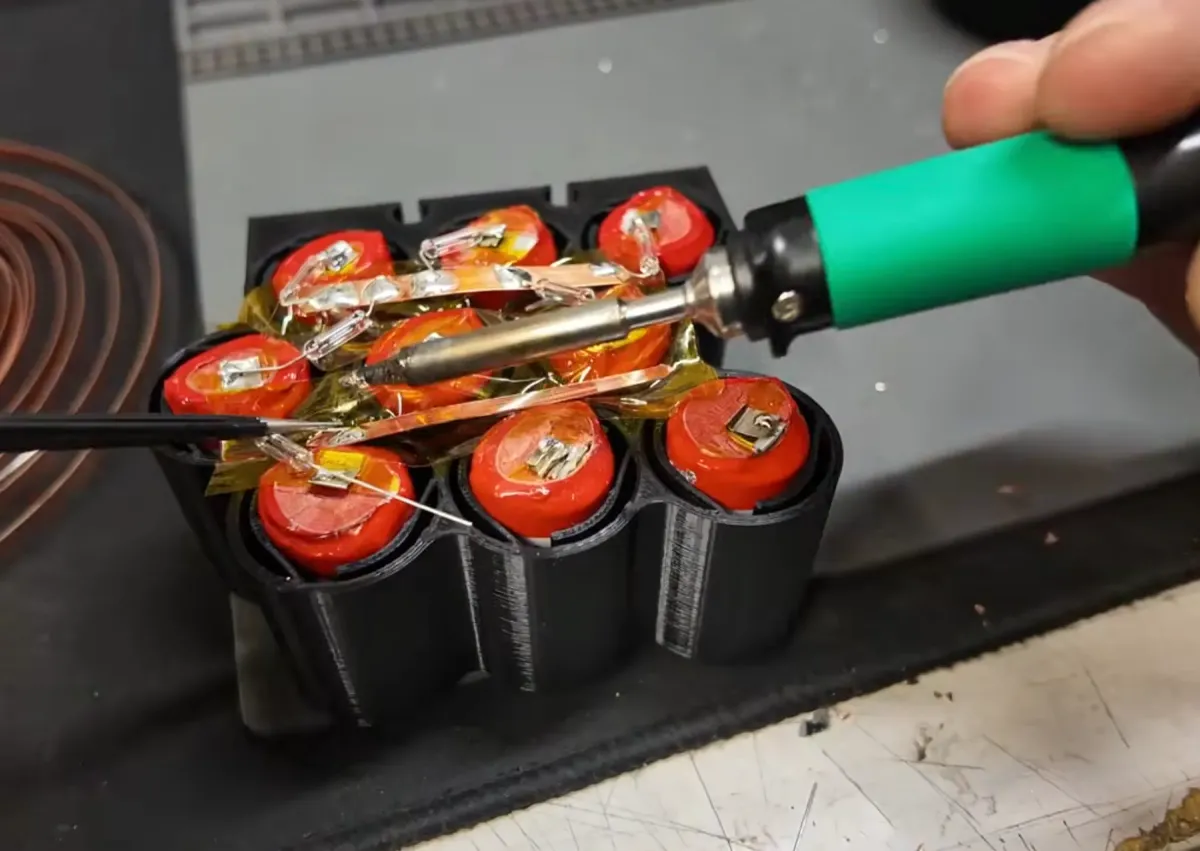
For safety, he added a battery management system. This system monitored each battery cell's voltage. Temperature probes were also installed. They would alert him if any part of the battery pack got too hot. Overheating can cause battery fires. Doel stressed that this experiment should not be tried at home.
He replaced the G-Wiz's original battery with his vape-powered pack. The car's main functions worked immediately. He did need a separate converter for things like headlights and wipers. Interestingly, he charged the entire system using a USB-C adapter and a laptop charger. This might make it the first EV charged via USB-C.
Caption: Fuses were added to each of the batteries for added safety. Image: Chris Doel
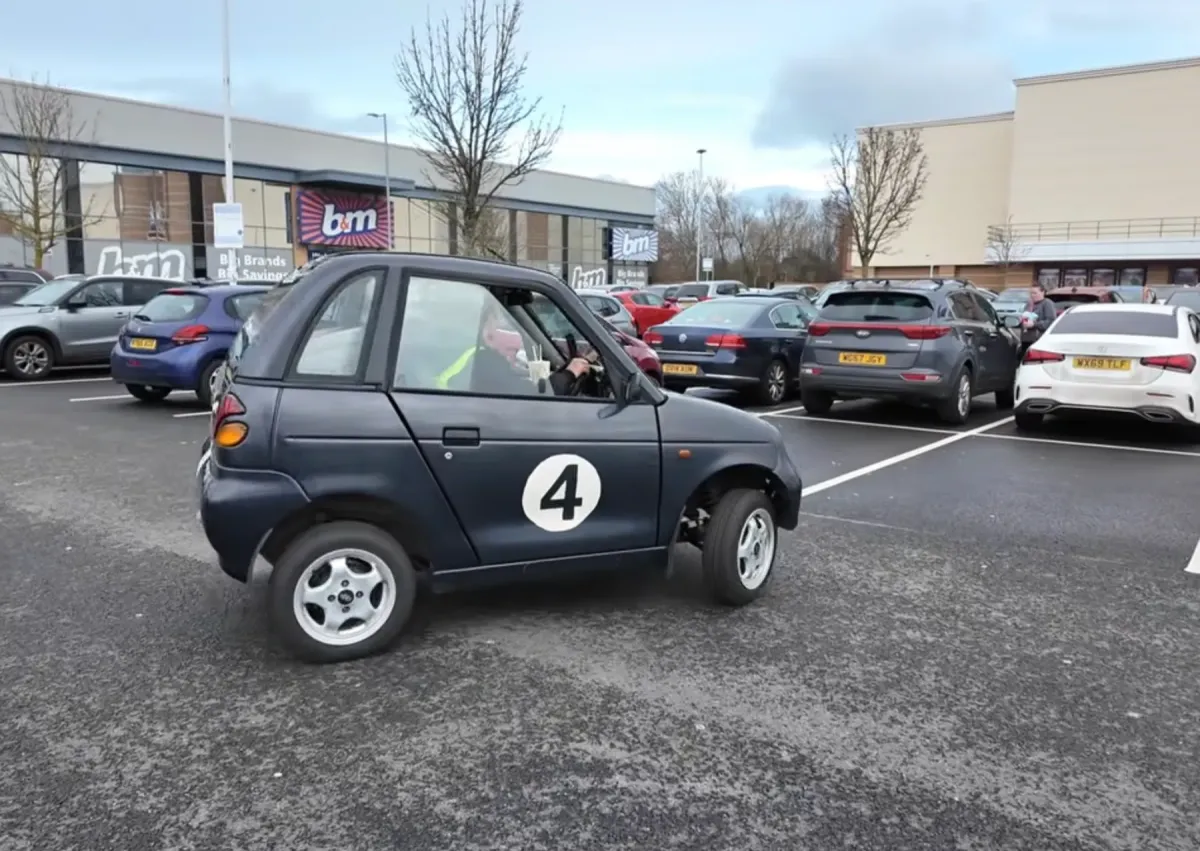
Driving a Vape-Powered Car
After all the preparations, Doel drove the vape-powered car on public roads. His video shows him driving slowly around town. A colleague sat ready to hit the circuit breaker if needed. The improvised battery worked well.
Doel drove the car through a fast-food drive-through and ran errands. The car traveled about 18 miles before the battery ran out. It reached speeds of up to 40 miles per hour. This was close to the car's normal top speed.

*Caption: Doel used his vape-powered car to carry out basic chores, like heading to a hardware store. Image: Chris Doel.
Doel said his "Frankenstein" vehicle was fully insured. The insurance company knew about his vape battery pack. He noted the insurance was "quite expensive."
He was surprised by how well the experiment worked. It shows how much energy is wasted in discarded vapes. Doel hopes his project makes people rethink what they consider waste.