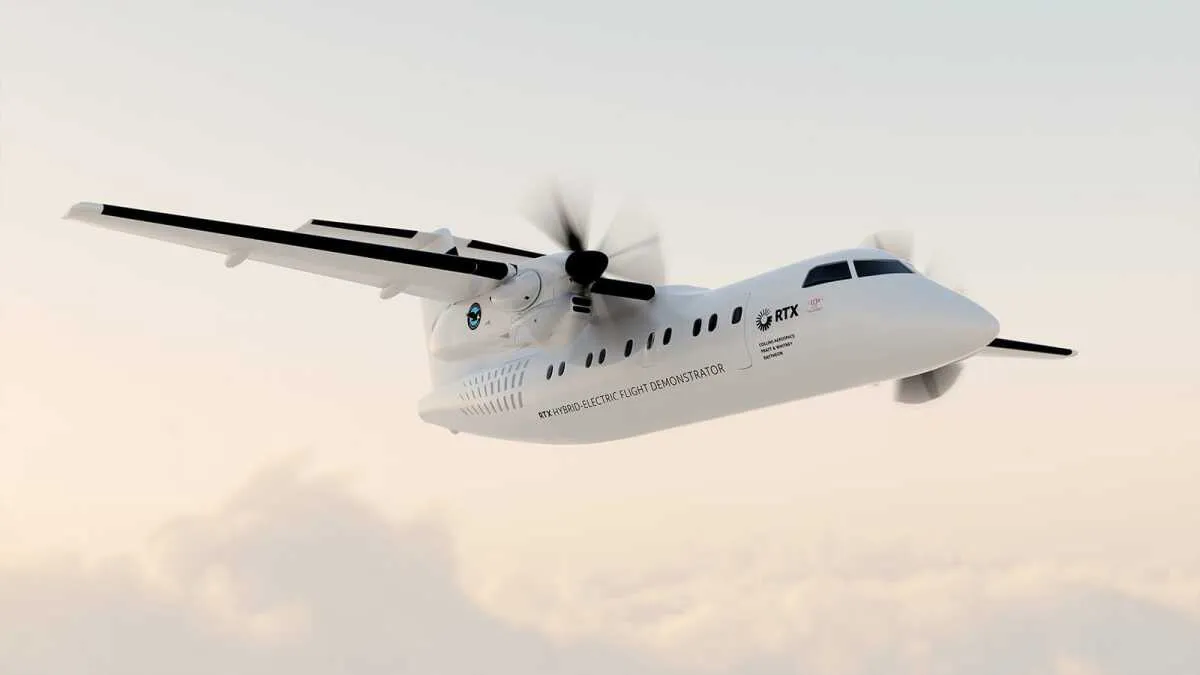
RTX just ran a hybrid-electric propulsion system at full power for the first time—thermal engine and batteries together, no throttling back. It's a concrete step toward regional aircraft that use 30 percent less fuel than today's best turboprops.
The test happened at a Pratt & Whitney Canada facility near Montreal. The demonstrator pairs a conventional thermal engine with a one-megawatt electric motor and a 200-kilowatt-hour battery pack (from Swiss startup H55). During flight, the thermal engine handles the steady cruise while the electric motor kicks in for the power-hungry phases: taxi, takeoff, and climb. It's not one or the other—it's both, working in sequence.
Why this matters: electric motors are incredibly efficient. They convert over 90 percent of energy into motion. Thermal engines? About 30 to 40 percent. The rest bleeds away as heat. But batteries are heavy, and their energy density doesn't match jet fuel. So hybrid is the practical middle ground for regional routes—the 500 to 1,000 mile hops where weight penalties hurt less.
We're a new kind of news feed.
Regular news is designed to drain you. We're a non-profit built to restore you. Every story we publish is scored for impact, progress, and hope.
Start Your News DetoxThe engineering problem was weight and voltage
Getting here required solving two brutal problems. First, battery weight. Engineers deployed advanced materials, high-density magnets, and wide band-gap semiconductors—basically, they squeezed every gram of efficiency out of the system. "Every pound, every kilogram, it counts," said Joshua Parkin, Collins Aerospace's engineering director.
Second, voltage management. Thousands of battery cells wired together at high voltage create risk: electrical arcing (electricity jumping like miniature lightning), overheating, thermal runaway. "The voltage level we're using surpasses anything in production aviation right now," noted David Venditti, Pratt & Whitney's program manager. The team embedded safety features—fireproof enclosures for venting gases, fail-safes throughout the architecture.
H55's battery system brings a confidence layer: the Swiss startup has logged over 2,000 incident-free hours of electric flight time on smaller aircraft. It's not theoretical. It's been flown.
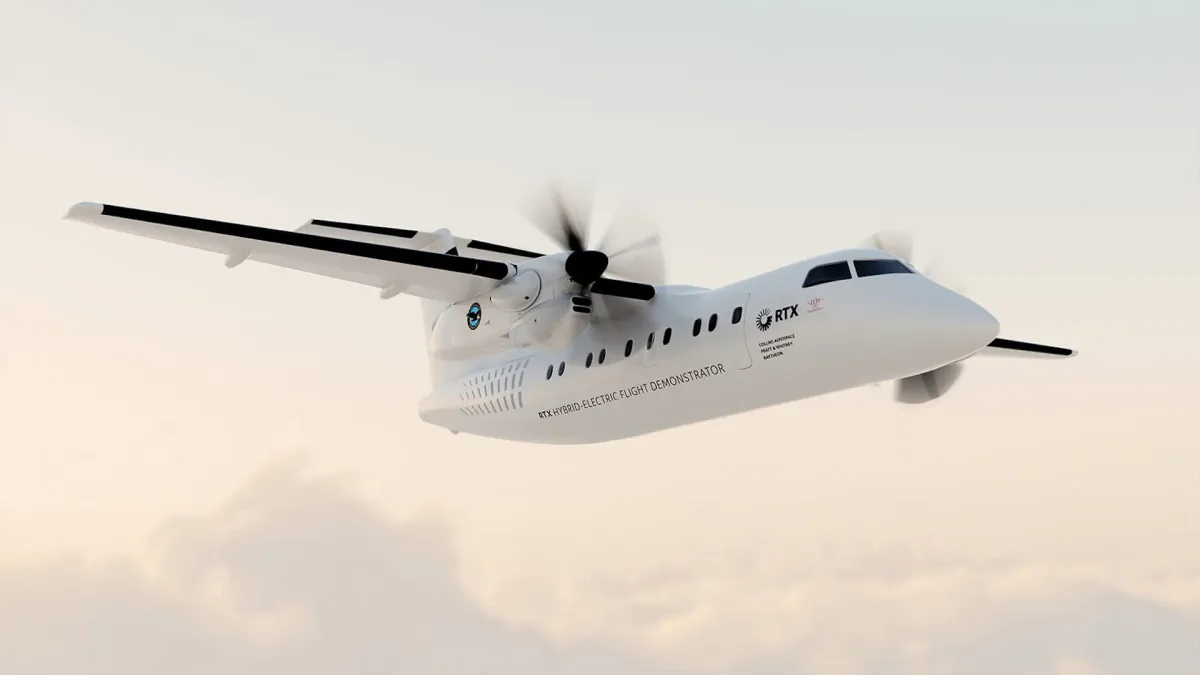
RTX plans to mount this hybrid system on a modified De Havilland Dash 8-100 for flight testing. This is where the story moves from benches and test rigs into the air—where the real constraints and edge cases emerge. The next phase is harder than this one. But the hardest part was proving the concept works at scale, at full power, without catastrophe. That box is now checked.