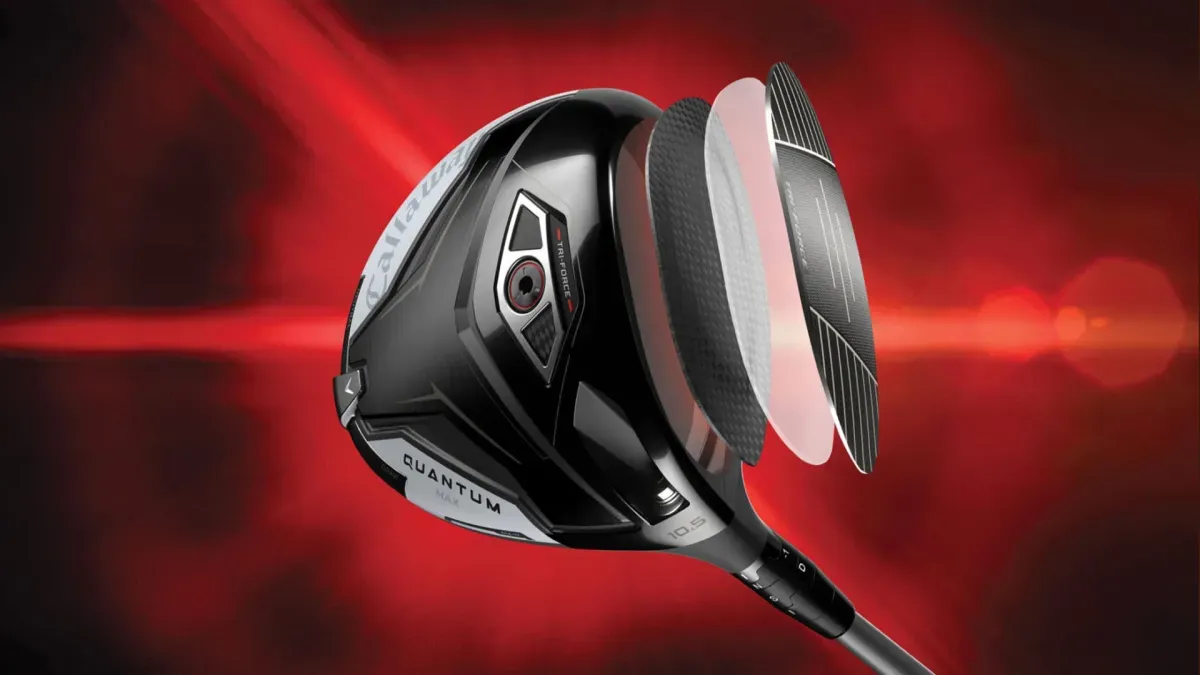
For over three decades, the golf driver has been a pretty simple affair: a big ol' titanium face designed to launch a ball into orbit. But Callaway, apparently tired of tradition, just decided to throw a whole new recipe at it. Their new Quantum drivers are sporting a "Tri-Force Face" made from titanium, carbon fiber, and a secret military-grade polymer. Because apparently, that's where we are now.
The old guard, titanium, is great for its strength and springiness. But carbon fiber, while lighter, tends to fold under pressure — literally, when a golf ball slams into it. So, Callaway’s R&D chief, Brian Williams, and his team figured out that the face actually compresses on the outside and stretches on the inside during impact. Genius, really. They put titanium on the compression side and carbon fiber on the tension side.
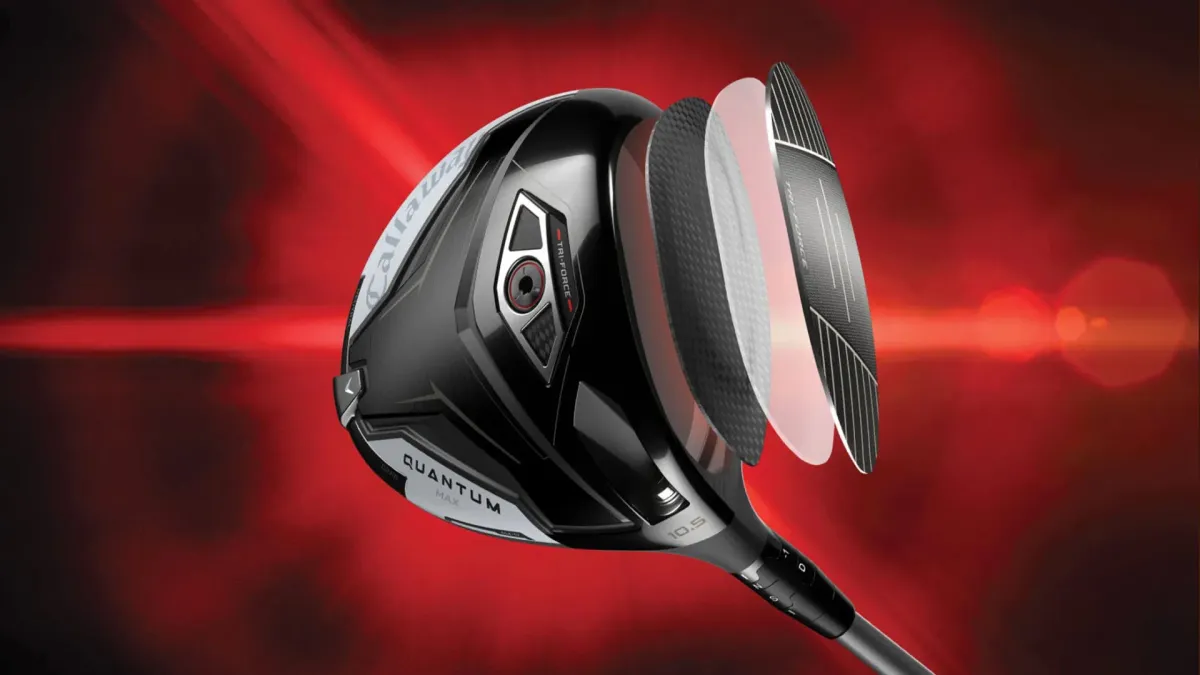
This makes the titanium hitting layer up to 25% thinner than previous models, with carbon fiber underneath adding stiffness without the bulk. It's like a golf club wearing a high-tech suit of armor.
We're a new kind of news feed.
Regular news is designed to drain you. We're a non-profit built to restore you. Every story we publish is scored for impact, progress, and hope.
Start Your News DetoxThe Polymer That Changed Everything
The real secret sauce, though, is the polymer. Callaway stumbled upon it while trying to make long-drive competitors' clubs stop falling apart. An engineer dug up a white paper about a polymer used in military bunkers to stop shrapnel. Suddenly, the internal cracking of driver faces didn't seem so insurmountable.
They coated the inside of some long-drive club heads, and voilà! Clubs stopped failing without losing an ounce of ball speed. From there, it was a hop, skip, and a jump to bonding titanium and carbon fiber for mere mortals.
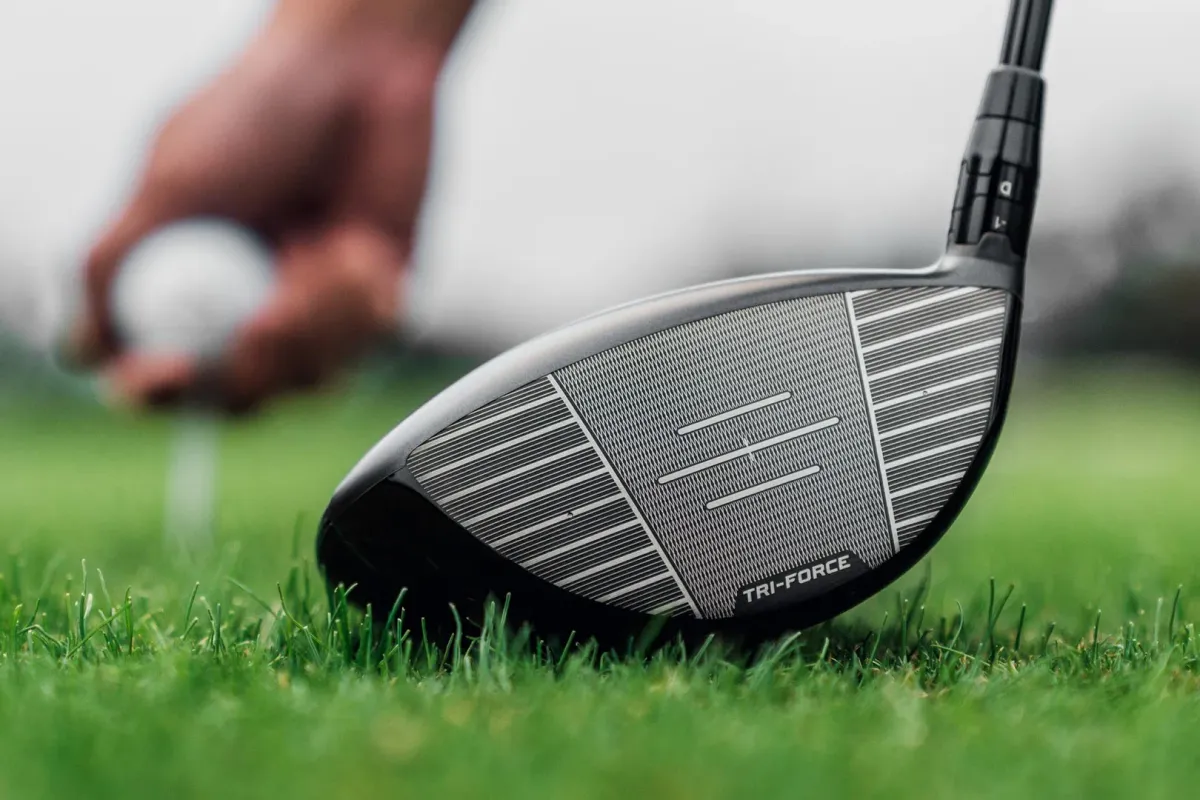
Williams describes the polymer as having a "honey-like" stickiness. It's applied to the titanium, then the carbon fiber is pressed on. The trick is its specific viscosity — it can’t be too rigid, or the materials flex at different rates, making the face "slow." Instead, this polymer mesh transfers energy between layers, keeping things zippy without locking them down.
And because it’s 2026, of course, AI is involved. Callaway’s AI has been shaping face geometry since 2019, now factoring in how titanium, carbon, and the polymer behave at every single point. This means the face's thickness and flex are custom-tuned, not just a one-size-fits-all design.
The result? Robot tests show high-face strikes that used to dive now launch with enough spin to stay online. Heel strikes that once sliced hard right now have less side spin. Because even your golf club is getting smarter than you.
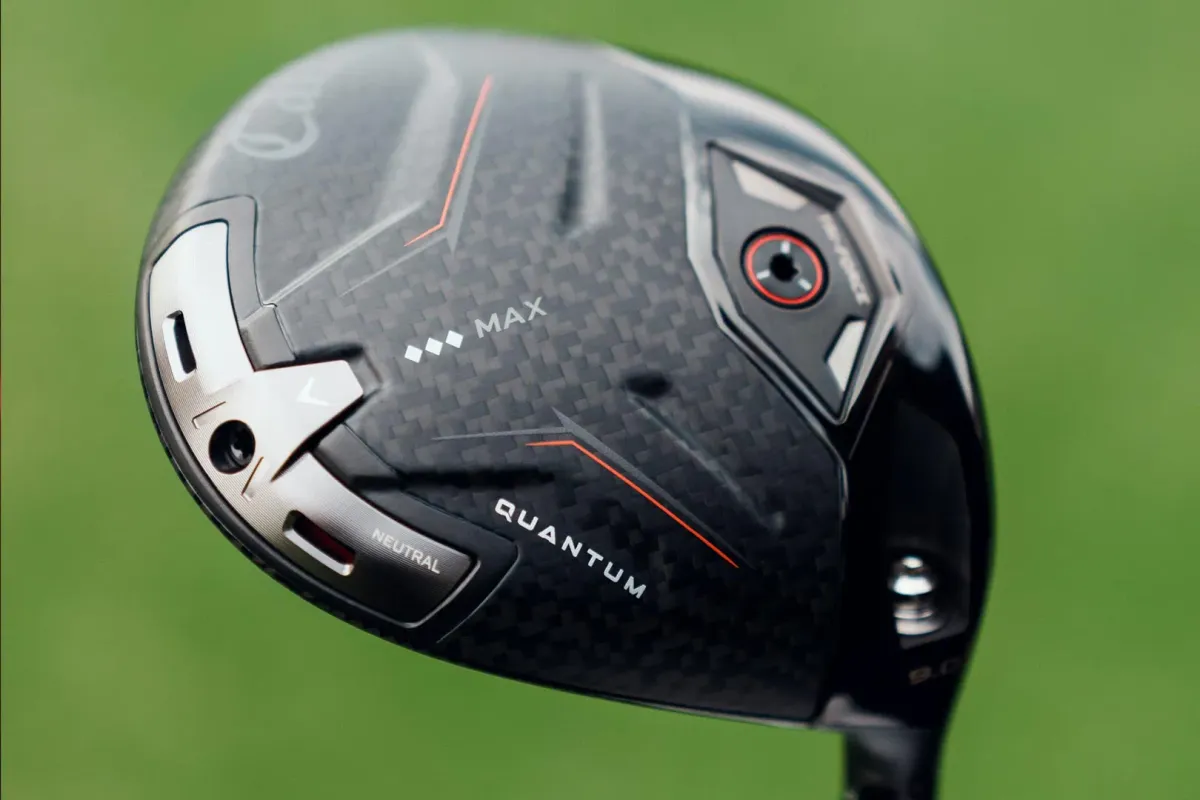
These Tri-Force Face drivers are available now in five Quantum models, starting at $649.99. So, if you're looking to shave a few strokes and impress your buddies with tales of military-grade polymers, Callaway's got you covered.