Sixty thousand tree species exist on Earth, each one capable of storing carbon, feeding communities, sheltering wildlife, and holding soil in place. Over the past 20 years, governments and organizations have pledged to restore hundreds of millions of hectares of degraded forest—a strategy widely celebrated as one of our best tools against climate change and species loss.
But here's the catch: not all forest restoration actually restores forests.
When restoration becomes monoculture
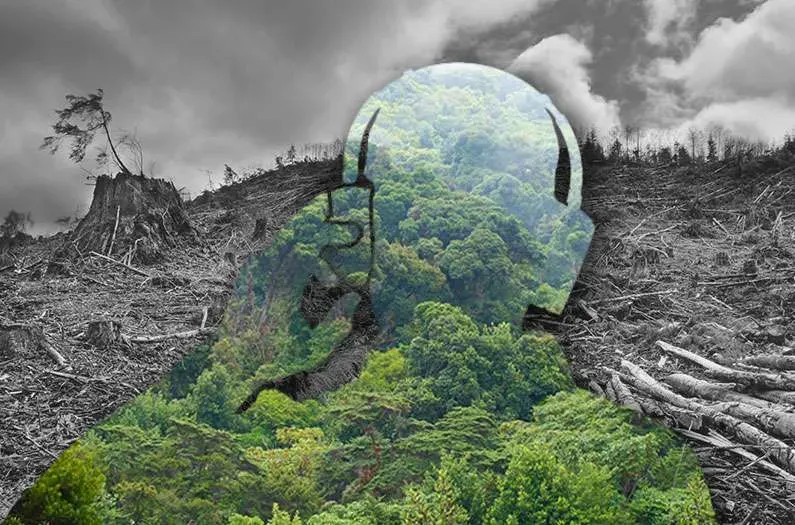
A 2019 analysis in Nature examined the Bonn Challenge, a flagship initiative aiming to restore 350 million hectares of forest by 2030. The researchers found something troubling: nearly half the pledged area was designated for plantation-style monocultures—essentially tree farms, not forests. These dense single-species plantings sequester carbon efficiently, which looks good on paper. But they're ecological deserts compared to biodiverse forests. Birds don't nest there. Insects don't thrive. The soil doesn't regenerate the way it does under a mixed canopy.
The problem gets worse when you look at where trees are being planted. A 2024 study in Science found that roughly half the land pledged for reforestation under Africa's Forest Landscape Restoration Initiative was actually savanna—grassland ecosystems that have evolved over millennia without dense tree cover. Planting forests there isn't restoration; it's replacing one ecosystem with another, which can disrupt wildlife migration, water cycles, and the livelihoods of communities who depend on savanna resources.
We're a new kind of news feed.
Regular news is designed to drain you. We're a non-profit built to restore you. Every story we publish is scored for impact, progress, and hope.
Start Your News DetoxThe certification gap
Paul Smith, secretary-general of the U.K.-based Botanic Gardens Conservation International, noticed something was missing. "Given the scale of these pledges, we realized there was potentially a serious problem," he explains. The organization looked at existing certification standards for forest projects—the frameworks meant to ensure restoration is done well. They found none that prioritized biodiversity as the primary measure of success.
Most standards focus on carbon sequestration or tree survival rates. Both matter, but they don't guarantee ecological recovery. A plantation of fast-growing eucalyptus trees might tick every carbon and survival box while offering almost nothing to local wildlife or soil health.
What emerged from this gap was a realization: if we're going to restore forests at the scale we've promised, we need better guardrails. Not to stop restoration—we desperately need it—but to make sure it actually works. That means favoring native species, respecting existing ecosystems, and measuring success by whether forests become living, breathing habitats again, not just carbon storage units.
The conversation is shifting. More initiatives are beginning to ask not just "can we plant trees here?" but "should we, and what should we plant?" It's a slower, messier approach than planting monocultures. But it's the only one that actually restores what we've lost.