Celebrities wear ICE protest pins at Golden Globes ceremony

Celebrities used the Golden Globes stage to honor Renee Good, tragically killed by an ICE officer in Minneapolis last week, donning anti-ICE pins in a powerful tribute.

1 min read
Minneapolis, United States
7 views✓ Verified Source
Share

Why it matters: This act of defiance by celebrities raises awareness and solidarity for immigrant communities oppressed by ICE, inspiring others to stand up against injustice.

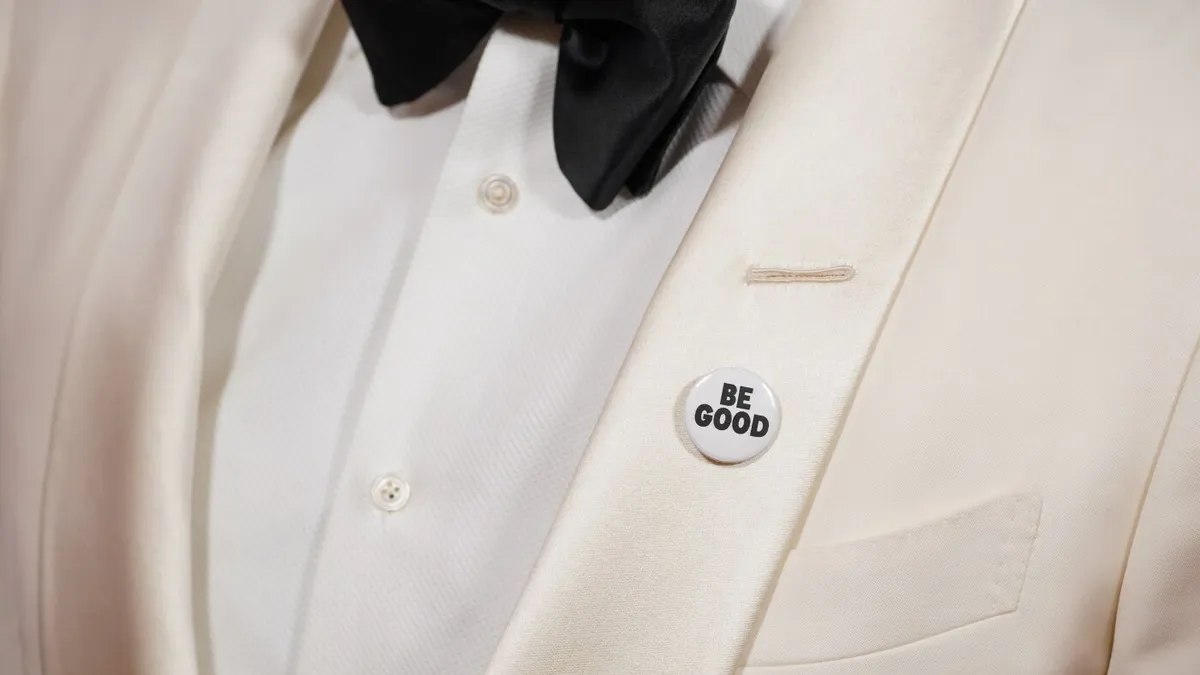
Mark Ruffalo, Wanda Sykes, Natasha Lyonne, Jean Smart, and Ariana Grande arrived at Sunday's Golden Globes wearing black-and-white pins bearing messages like "BE GOOD" and "ICE OUT" — a visible tribute to Renee Good, who was shot and killed by an Immigration and Customs Enforcement officer in Minneapolis last week.

The pins represented something quieter than a typical red-carpet statement: a grassroots organizing effort that started with a late-night text exchange. Nelini Stamp, an organizer with Working Families Power, and Jess Morales Rocketto, executive director of the Latino advocacy group Maremoto, began calling celebrities they knew mid-week. Those celebrities then quietly passed the pins to others in their circles. Allies attended pre-ceremony parties, handing them out to attendees and neighbors heading to the ballroom.

"They put it in their purse and they're like, 'Hey would you wear this?' It's so grassroots," Morales Rocketto said.

Wait—What is Brightcast?

We're a new kind of news feed.

Regular news is designed to drain you. We're a non-profit built to restore you. Every story we publish is scored for impact, progress, and hope.

Start Your News Detox

This marks the third consecutive year Morales Rocketto has coordinated Golden Globes activism — previously rallying Hollywood against family separation policies. The strategy reflects a deliberate choice about how cultural moments reach millions of viewers. When Jean Smart accepted her award for best female actor in a musical or comedy series, the pin on her dress became part of the ceremony's broadcast.

The organizers invoked the 1973 Oscars, when Sacheen Littlefeather declined Marlon Brando's award to protest Hollywood's portrayal of Native Americans. That moment, captured on live television, became historical. Morales Rocketto and Stamp are planning to continue the campaign throughout awards season, ensuring the public learns the names of people killed in ICE shootings — making sure those deaths don't disappear into the noise.

51
ModerateLocal or limited impact

Brightcast Impact Score

This article highlights a symbolic protest by celebrities at the Golden Globes against the actions of ICE. While the protest itself is not a novel approach, it brings attention to a significant social issue and could inspire further action. The article provides details on the specific pins worn by celebrities and the context around the recent ICE-related incidents. The reach and verification of the information are relatively strong, though the overall impact and evidence of change are limited.

15

Hope

Moderate

17

Reach

Solid

19

Verified

Solid

Wall of Hope

0/50

Be the first to share how this story made you feel

How does this make you feel?

1
2
3
4
5
6
7
8
9
10
11
12
13
14
15
16
17
18
19
20
21
22
23
24
25
26
27
28
29
30
31
32
33
34
35
36
37
38
39
40
41
42
43
44
45
46
47
48
49
50

Connected Progress

Share

Originally reported by NPR News · Verified by Brightcast

Get weekly positive news in your inbox

No spam. Unsubscribe anytime. Join thousands who start their week with hope.

More stories that restore faith in humanity

P
BHM100*: Remembering Fannie Lou Hamer, the Mississippi Plantation Worker Jailed and Beaten for Trying to Vote; She Fought Back as a Civil Rights Activist, Organizer and Powerful Speaker
Peace
2 months ago
Breakthrough

BHM100*: Remembering Fannie Lou Hamer, the Mississippi Plantation Worker Jailed and Beaten for Trying to Vote; She Fought Back as a Civil Rights Activist, Organizer and Powerful Speaker

[*This year marks the 100th anniversary since Carter G. Woodson, the “Father of Black History” founded Negro History Week in February 1926. Fifty years after that, President Gerald Ford officially recognized Black History Month. In 1986, Congress passed a law officially designating February as Black...

from Good Black News

81
BIS
0 Likes
8 Views