In 2017, a stretch of central Idaho became the first place in America to officially protect its night sky. The Central Idaho Dark Sky Reserve—906,000 acres of undisturbed landscape in and around the Sawtooth National Forest—earned the designation from the International Dark-Sky Association, joining just 11 other reserves worldwide at the time. Eight years later, that global list has grown to 25, but the Idaho reserve remains one of the largest continuous pools of natural darkness in the country.
The achievement didn't happen by accident. Community members, public land managers, and private landowners in the region made a deliberate choice to keep light pollution out. That same year, the nearby city of Ketchum became an International Dark Sky Community for its own efforts—dimming streetlights, shifting to warmer bulbs, and shielding fixtures so light points down rather than up into the sky.
What darkness makes possible
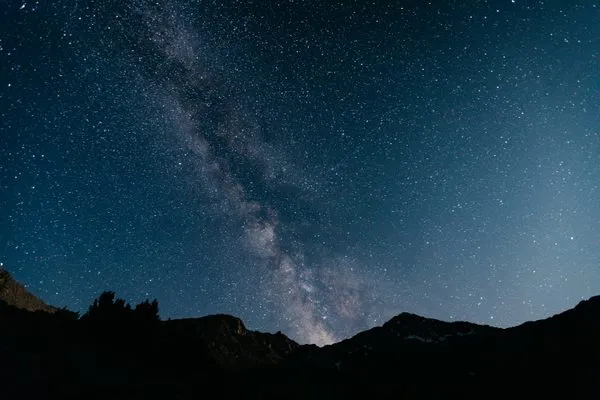
Most visitors come to the reserve during daylight. The Sawtooth National Forest draws hikers, mountain bikers, and skiers year-round, with trails threading through terrain where elk and mountain goats still move freely. But when the sun sets, the reserve transforms into something rarer: a place where the Milky Way isn't a smudge but a river of light, where you can actually see the Andromeda Galaxy with your eyes.
We're a new kind of news feed.
Regular news is designed to drain you. We're a non-profit built to restore you. Every story we publish is scored for impact, progress, and hope.
Start Your News DetoxThat darkness has become its own draw. The reserve now hosts stargazing events tied to major celestial moments—meteor showers, planetary alignments, lunar eclipses—along with educational talks from local astronomers. On the lighter side, there's a Dark Sky Paint & Sip, and the Sawtooth Botanical Garden runs dark sky dinners where you eat under an actual sky. Galena Lodge offers four-course meals under the stars.
A new hotel opening in summer 2026 will add an observatory to its top floor and programming designed specifically for guests who want to spend their nights looking up rather than scrolling.
The reserve exists because a region decided that some things—like seeing stars the way humans saw them for millennia—were worth protecting. As light pollution spreads globally, that choice becomes quieter and more radical each year.