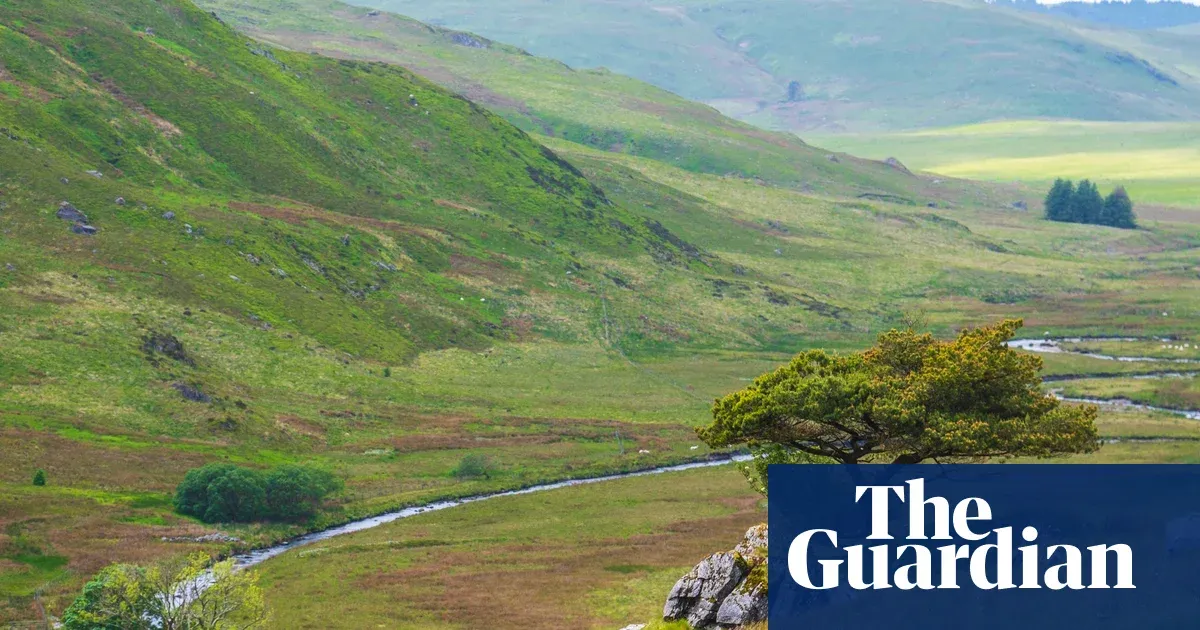
A Welsh charity has just bought nearly 500 hectares of Cambrian mountain land to rewild it — the biggest project of its kind in Wales. Tir Natur (Nature's Land) spent £2.2 million on the Cwm Doethie site in Ceredigion, half of it raised through public fundraising and half through a philanthropic loan.
The land is rough terrain: rivers, peat bogs, ancient woodland. For decades it's been managed intensively for farming. Now Tir Natur plans to let it recover, using a technique called wild grazing — traditional cattle, ponies, and pigs will roam freely, mimicking what large herbivores do in nature: trampling invasive plants, spreading seeds, opening up dense forest so light reaches the ground.
The ecological payoff could be substantial. Red squirrels, pine martens, and polecats have been absent from much of Wales for generations. Curlews and hen harriers — both in serious decline across the UK — might return. Beavers could reshape the waterways. Butterflies and other insects would find new space to thrive. Tash Reilly, the charity's chair, frames it simply: "demonstrate what's possible when we allow nature to take the lead and work for people again."
We're a new kind of news feed.
Regular news is designed to drain you. We're a non-profit built to restore you. Every story we publish is scored for impact, progress, and hope.
Start Your News DetoxThat last phrase matters. Rewilding projects can feel like locking land away from human use, and that's where local tension surfaces. The Farmers' Union of Wales has raised concerns about the project's scale and transparency, with president Ian Rickman emphasizing the need to include farming voices in how it develops. It's a fair point — rural communities have managed this land for centuries, and sudden shifts can feel imposed from outside.
Tir Natur has acknowledged this friction and committed to working with farmers and their representatives as the project moves forward. The goal isn't to abandon rural livelihoods but to prove that ecological recovery and working landscapes can coexist — that a hillside can be wild and still matter to the people living nearby.
This is Wales' largest rewilding effort to date, though it sits smaller than some UK projects like Cairngorms Connect in Scotland. What makes it significant isn't just the acreage but the timing: Wales has experienced an alarming decline in wildlife over recent decades, and this project is a visible bet that the trend can reverse.