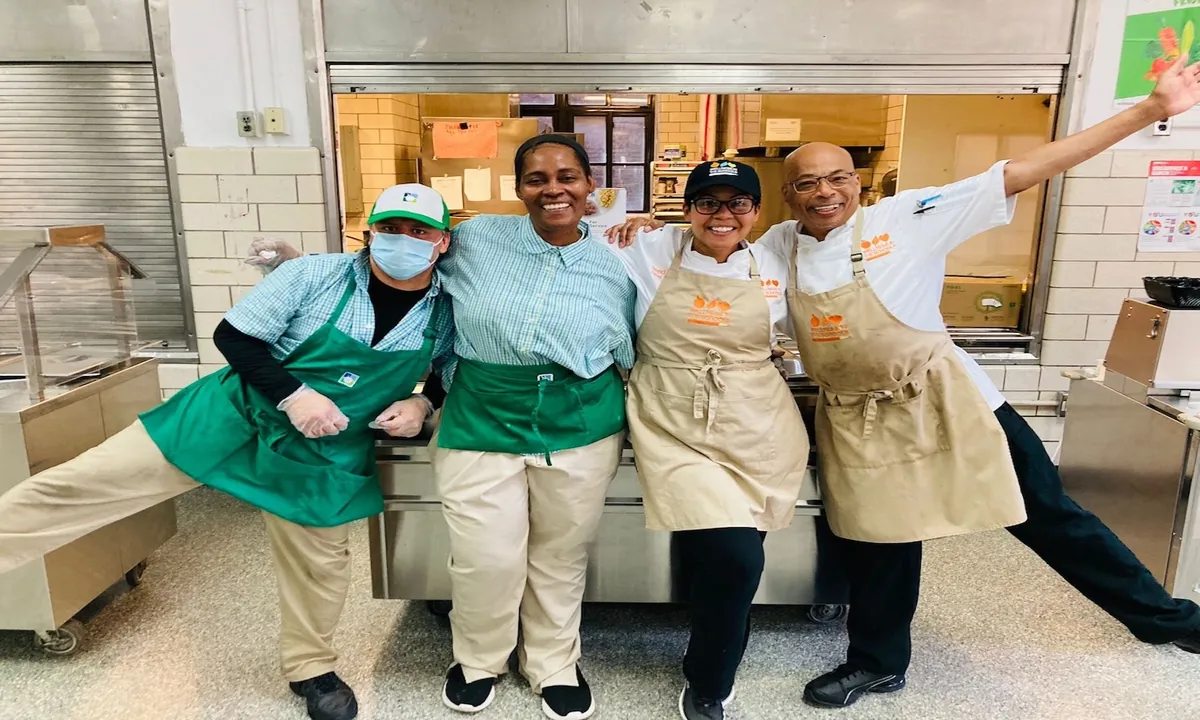
Nearly a million children in New York City Public Schools now eat differently at lunch, thanks to a three-year experiment that proved scratch-cooked, plant-forward meals can work at scale.
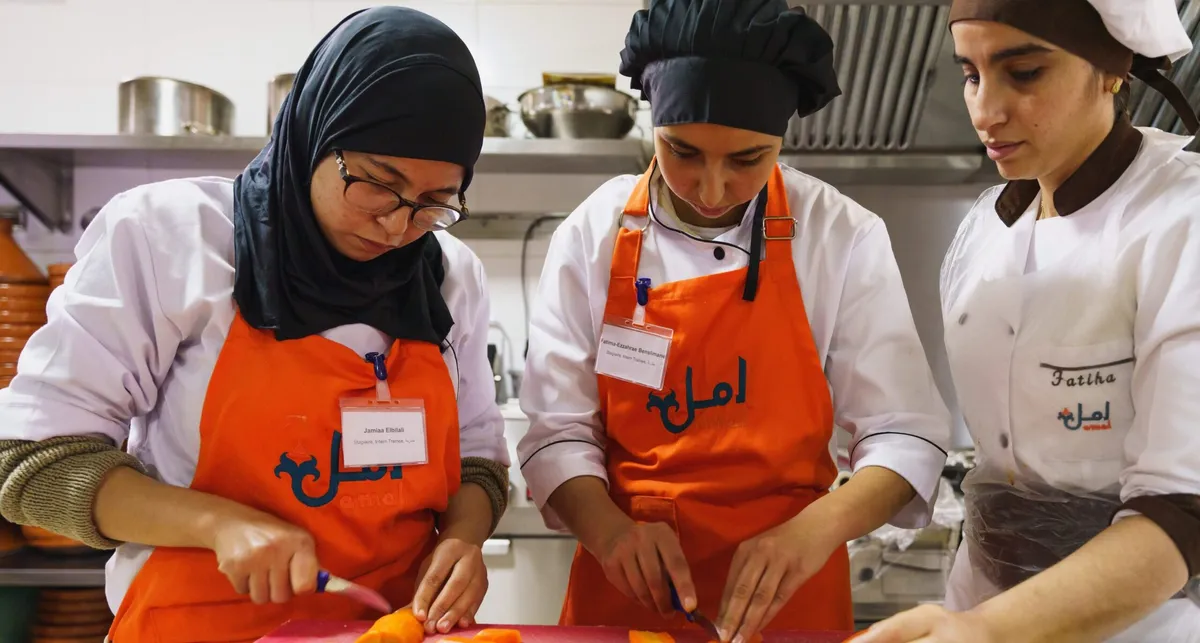
Wellness in the Schools (WITS) partnered with the city's education and food policy offices to transform what happens in 1,035 school cafeterias. The program, called Chefs in the Schools, did something simple but radical: it brought real training to the people actually cooking the food. Over three years, culinary experts mentored school cooks side-by-side and ran intensive CookCamp sessions, teaching them how to build 44 new recipes that were both nutritious and genuinely appetizing.
The results matter because school lunch isn't just about feeding hungry kids — it's one of the few places where public policy touches nearly every child's body every single day. For many students, especially in lower-income neighborhoods, it's the most reliable meal they'll eat. Yet across the U.S., most calories kids consume at school come from ultra-processed foods linked to obesity, type 2 diabetes, and heart disease. Children on these diets miss more school, struggle academically, and face cognitive delays. The problem isn't invisible — it's systemic.
We're a new kind of news feed.
Regular news is designed to drain you. We're a non-profit built to restore you. Every story we publish is scored for impact, progress, and hope.
Start Your News DetoxWhy This Matters for Health Equity
Black, Latinx, and Indigenous communities experience the sharpest end of this inequity. Diabetes rates in these communities run 1.5 times higher than in white populations, a disparity rooted in decades of unequal food access. WITS framed the New York initiative as a chance to flip that script — to use schools as leverage points for health justice.
But the work revealed why change is hard. Fresh produce costs more upfront. School kitchens often lack equipment for real cooking. Many cafeteria staff are stretched thin. Training takes time and money that schools don't have budgeted. These aren't small logistical hiccups — they're structural barriers that explain why processed meals remain the default.
The New York model offers a template for dismantling them. It shows that when schools get proper support — trained chefs, working equipment, and sustained professional development — scratch cooking becomes sustainable, not a luxury.
WITS is now pushing policymakers to scale what worked in New York. Their recommendations include eliminating ultra-processed foods from school menus (California is already moving this direction with legislation phasing them out by 2035), shifting federal subsidies to incentivize fresh produce, and reforming procurement to support local suppliers. They're also calling for higher federal reimbursement rates for school lunches and investment in kitchen infrastructure.
The path forward isn't complicated in theory — it's political and financial. But New York just proved the cooking part works. The question now is whether the rest of the country will invest in making it standard.