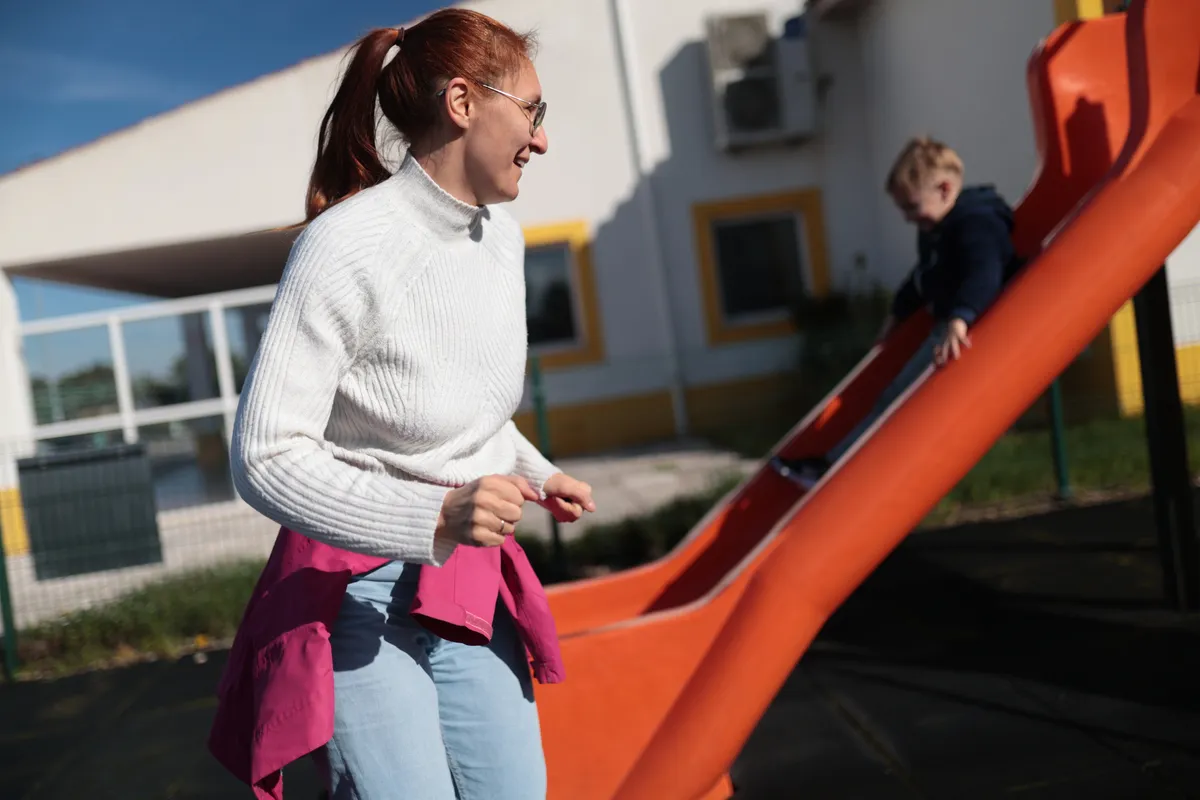
Modern parenting often feels like a competitive sport. We pack kids' schedules tighter than a clown car, convinced that every moment not spent in a 'productive' activity means they're somehow falling behind. But what if the secret to raising emotionally resilient humans isn't more classes, but more… nothing?
Turns out, letting your child stare into space – or, better yet, get lost in a project while you're just there – might be the most productive thing you can do. Because apparently, the capacity to be alone isn't born from isolation; it's forged in the quiet presence of someone who loves you.
The Paradox of Presence
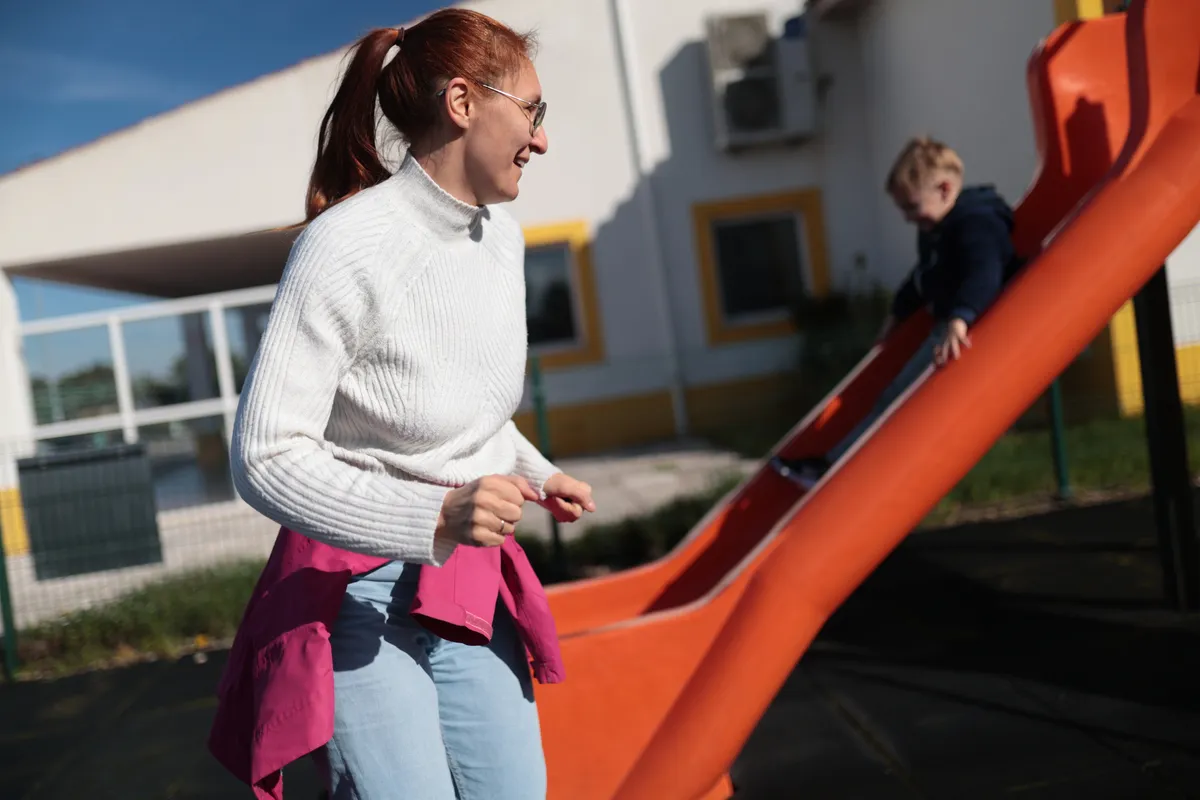
British psychoanalyst Donald Winnicott pointed this out way back in 1958. He argued that being comfortable in your own company is a hallmark of emotional maturity. And here's the twist: this comfort doesn't magically appear when you banish everyone else. Instead, it blossoms when a child is alone, but a trusted adult is reliably, undemandingly, nearby.
We're a new kind of news feed.
Regular news is designed to drain you. We're a non-profit built to restore you. Every story we publish is scored for impact, progress, and hope.
Start Your News DetoxThink about it: a kid engrossed in building a Lego castle, with a parent quietly reading a book across the room. That child thrives because the parent is there. The relationship is so secure, so utterly dependable, that it doesn't need constant validation. The adult becomes a kind of emotional furniture, a steady background hum. Over time, that reliability gets internalized. The child learns to be alone without feeling insecure, because they've experienced that safety a hundred times over with a real, breathing human.
We tend to assume independence means being left to fend for yourself. Winnicott flipped that script: the child who can play freely has a secure relationship silently underwriting their entire operation. No need to constantly check in, because there's nothing to worry about.

Solitude vs. The Endless Scroll
Our culture, bless its busy heart, often confuses solitude with loneliness. Loneliness is that gut-punch of missing connection. Solitude is simply time spent apart. One feels bad, the other can feel glorious – depending on whether you chose it, feel safe, and know people are there when you want them.
Historically, being physically alone usually meant being psychologically alone. Not anymore. Now, you can be in an empty room, scrolling through TikTok, doomscrolling Twitter, or listening to a podcast, and never actually be alone with your own thoughts. Every quiet moment can be filled with someone else's opinion, someone else's life.
Children are watching. They see adults who are rarely truly psychologically alone, even when no one else is physically present. And what they learn from that matters. They observe whether we can tolerate, or even welcome, the quiet hum of our own minds. A parent who reads, gardens, creates, or just sits without immediate distraction isn't just relaxing; they're modeling a crucial skill.
This isn't about raising hermits, by the way. Winnicott's theory is rooted in relationships. A person comfortable alone hasn't reduced their need for others; they've built enough inner security to remain themselves even when others aren't around. Which, if you think about it, makes relationships a whole lot easier. When you're not terrified of solitude, a slow text reply isn't a rejection, and someone else needing space isn't a personal affront. There's just more room for everyone to simply be themselves, with their own thoughts and lives. And for kids, that means a private self can quietly, beautifully, form.