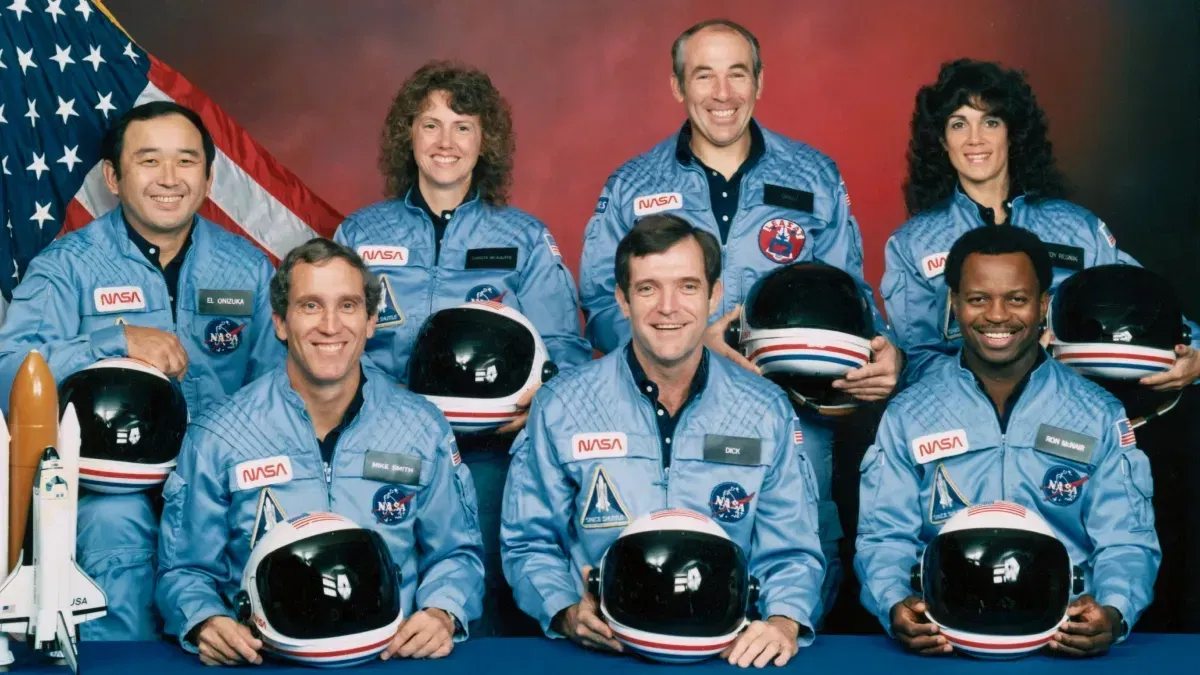
Christa McAuliffe was supposed to teach from space. On January 28, 1986, she boarded the Challenger shuttle as NASA's first teacher in space — selected from over 11,000 applicants — ready to share her fascination with the Space Race with students watching from Earth. Seventy-three seconds into the flight, the shuttle broke apart. She never got to deliver that first lesson.
But something unexpected happened in the decades that followed. Instead of fading into history, McAuliffe's vision of curiosity and determination became embedded in the schools that bear her name. Christa McAuliffe Elementary in Green Bay, Wisconsin, is one of them — a place where her spirit of wanting to do something, not just observe it, still shapes how teachers approach their work.
Principal Kelly Rollin describes what drew McAuliffe to the Teacher in Space program in the first place: "She wanted to do something and not just be a passenger. She wanted to be a part of the journey. She took it seriously and learned as much as she could in the time she had before they lifted off." That mindset — the refusal to be passive, the commitment to deep engagement — is what the school tries to instill in its students.
We're a new kind of news feed.
Regular news is designed to drain you. We're a non-profit built to restore you. Every story we publish is scored for impact, progress, and hope.
Start Your News DetoxEvery January 28th, the school community gathers to remember. They play John Denver, who was originally scheduled to fly on Challenger, and observe 73 seconds of silence — the exact duration the shuttle remained airborne. It's a quiet ritual that anchors memory to action. Students aren't just learning about Christa McAuliffe; they're learning from her approach to life.
What makes this different from typical memorial observance is that it doesn't stop at remembrance. The school's curriculum and culture are built on the same principle that drove McAuliffe to apply for the program in the first place: the belief that students should be active participants in their own learning, not passengers. Whether it's in science, history, or any other subject, the message is consistent — lean in, engage deeply, reach for something beyond what's immediately visible.
Thirty-eight years later, McAuliffe's dream didn't die on that January morning. It transformed into something quieter and more durable: a way of thinking about education that lives in classrooms across the country, shaping how a new generation approaches curiosity and ambition.