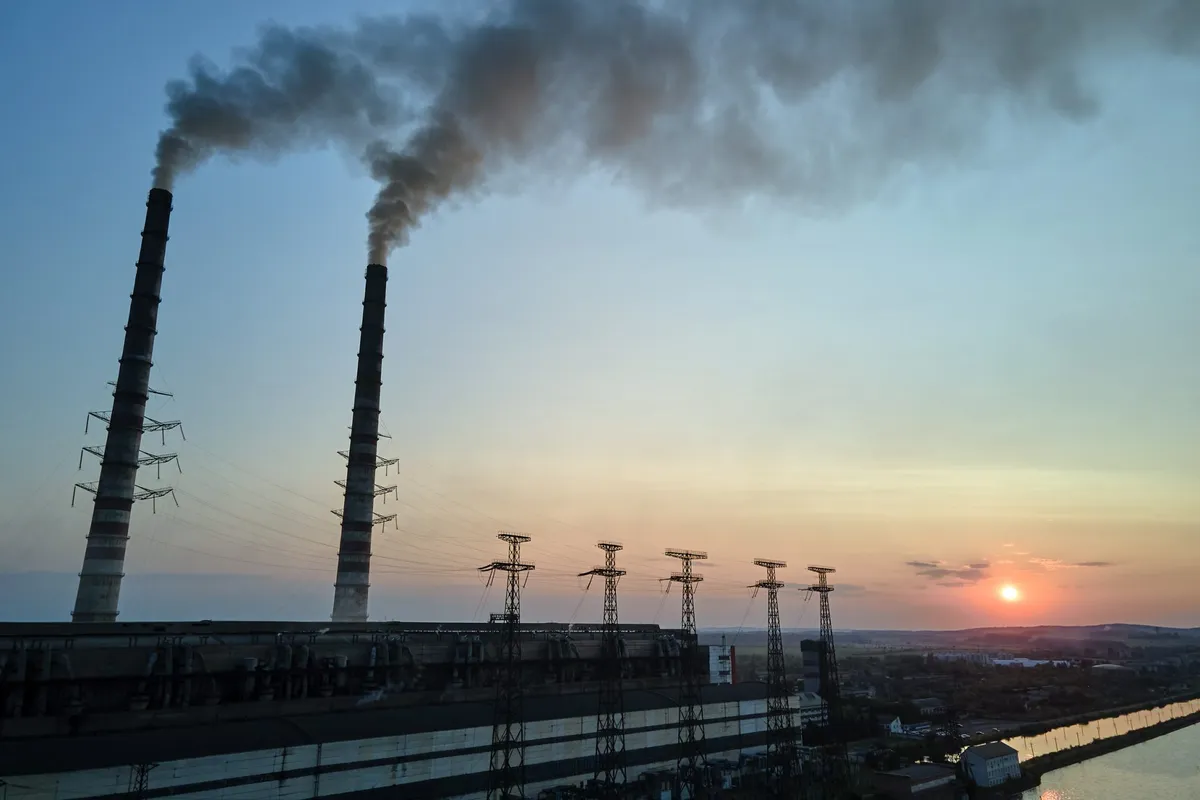
For the first time in over five decades, coal-fired electricity generation dropped in both China and India simultaneously. The world's two largest coal consumers saw declines of 1.6% and 3% respectively in 2025—a milestone that hasn't happened since 1973.
What makes this significant isn't just that coal is falling. It's why. Both countries have experienced rising energy demand, yet they managed to power that growth almost entirely through renewables instead. China added more than 300 gigawatts of solar and 100 gigawatts of wind in a single year alone. India installed 35 gigawatts of solar, 6 gigawatts of wind, and 3.5 gigawatts of hydropower. To ground that in something tangible: China's renewable additions are five times the total energy capacity of the UK.
For India, the shift is particularly striking. Renewables accounted for 44% of the country's fossil fuel reduction over the past year. Yes, milder weather and slower economic growth played a role—but analysts emphasize that clean energy is the real story here. The infrastructure is being built. The capacity is coming online. The coal isn't being replaced by demand destruction; it's being replaced by something better.
We're a new kind of news feed.
Regular news is designed to drain you. We're a non-profit built to restore you. Every story we publish is scored for impact, progress, and hope.
Start Your News DetoxThe harder part: making it stick
There are genuine headwinds ahead. India faces potential energy demand spikes as extreme heat drives air conditioning use. The 2022 coal rebound—triggered by gas price shocks after Russia's invasion of Ukraine—shows how quickly external shocks can disrupt even solid progress. And the International Energy Agency previously projected coal emissions staying near record highs through at least 2027.
But the data from 2025 suggests something has shifted. China and India have historically been seen as the linchpin of any global climate effort. Their energy choices ripple outward. If these two countries can decouple coal from rising electricity demand, it signals that the transition isn't theoretical anymore. It's happening at scale, in the places that matter most.
The next question isn't whether this can work. It's whether the pace can hold.