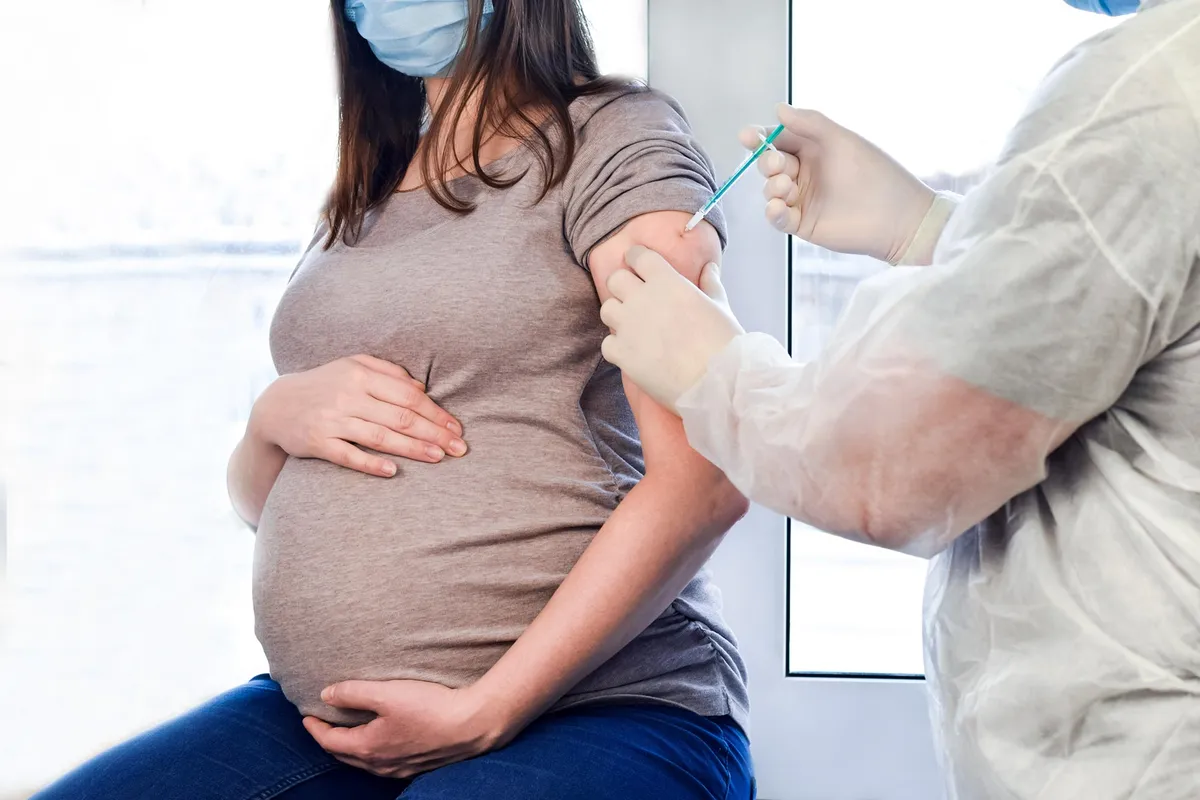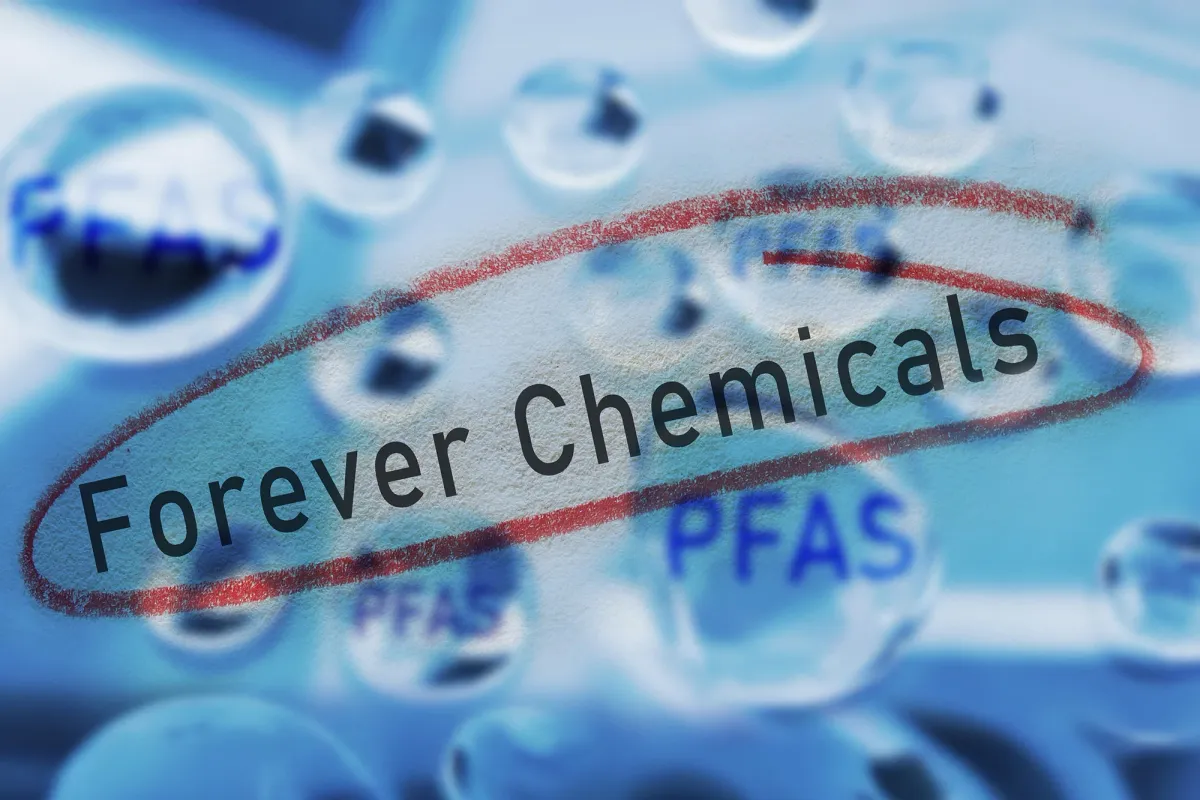
A new study in mice suggests that PFOA, a chemical found in everyday products from nonstick cookware to food packaging, may interfere with the precise biological window when pregnancy begins.
Researchers at Iran University of Medical Sciences exposed pregnant mice to PFOA and tracked what happened in the hours and days when an embryo needs to attach to the uterine wall. The findings point to a specific vulnerability: PFOA appears to disrupt the molecular conversation between an embryo and the uterus that makes implantation possible.
How PFOA May Interfere
The study revealed three key disruptions. First, PFOA reduced progesterone, the hormone that primes the uterus for pregnancy. Second, it decreased pinopodes—tiny structures on the uterine lining that act as attachment points for the embryo. Third, it suppressed two signaling molecules (IL-1β and IL-6) that allow the embryo and uterus to communicate with each other.
We're a new kind of news feed.
Regular news is designed to drain you. We're a non-profit built to restore you. Every story we publish is scored for impact, progress, and hope.
Start Your News DetoxTaken together, these changes create conditions hostile to implantation. "By reducing progesterone production, decreasing pinopode formation, and suppressing these signaling molecules, PFOA creates conditions that are detrimental to embryo implantation," the researchers wrote.
PFOA belongs to a class of chemicals known as "forever chemicals" because they break down extremely slowly and accumulate in the body over time. Past research has already linked PFAS exposure to earlier menopause and reduced ovarian reserve. What's been less clear is whether these chemicals also interfere with the implantation stage specifically—the narrow window when the uterus is receptive and small disruptions can have outsized effects.
This study focused on that missing piece. The researchers dosed pregnant mice with increasing amounts of PFOA, then measured hormone levels, examined uterine structure, and assessed the gene activity tied to whether the uterus was ready for pregnancy.
The authors emphasize that human studies are needed before drawing conclusions about fertility risk. But they stress the urgency: PFOA is pervasive in daily life through contaminated drinking water, food packaging, and consumer goods. Understanding how these chemicals affect reproduction matters for anyone trying to conceive.
DOI: 10.1097/RD9.0000000000000137 - Reproductive and Developmental Medicine, 2025