Cities, bless their bustling hearts, are basically giant heat sinks, especially when a heatwave decides to roll through. And since human bodies aren't exactly designed for slow-roasting, urban planners are constantly on the hunt for ways to turn down the dial. Good news: a new study just confirmed what your grandma probably already knew about shade.
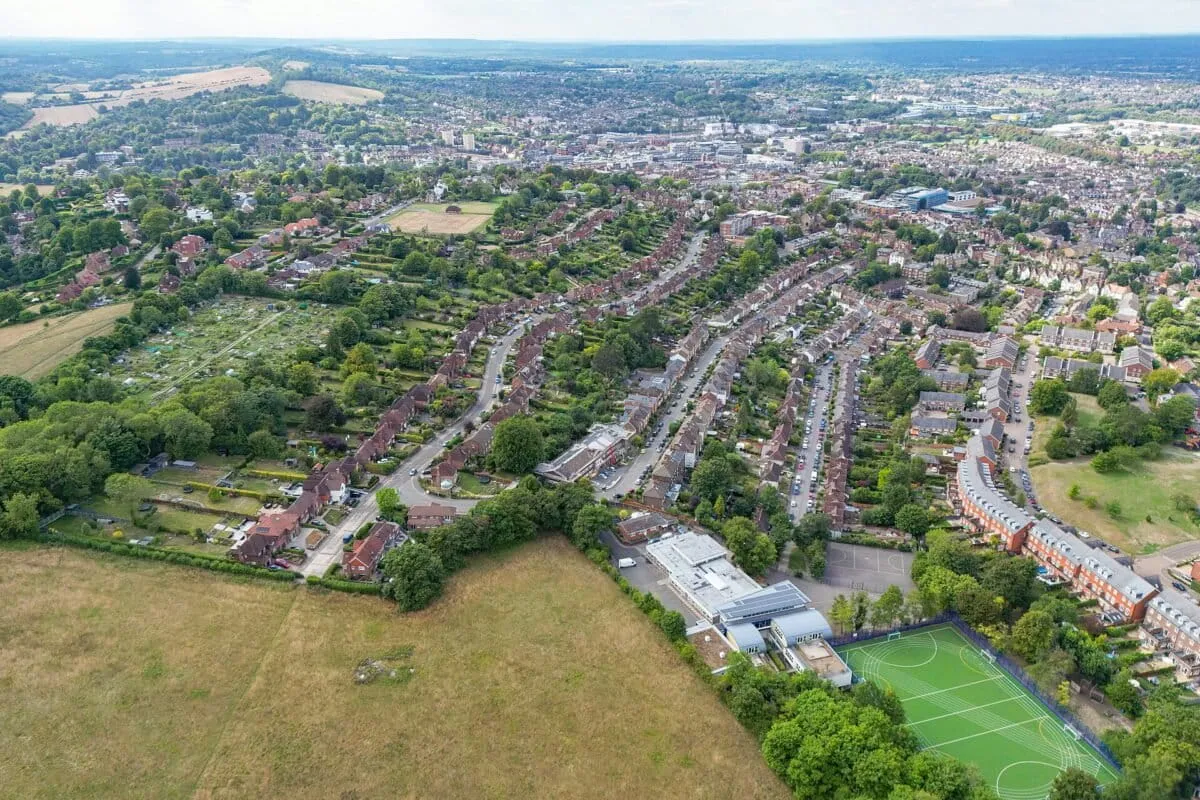
Researchers in Guildford, a town in southeast England, decided to get serious about which natural spaces actually deliver the goods when it comes to urban cooling. They zeroed in on what they call "green-blue infrastructure" (GBI) — basically, any natural land or water feature that plays nice with city buildings to offer perks like wildlife corridors, flood control, and, crucially, a nice chill factor.

They set up shop at six different spots: a proper woodland, a stretch of grassland, a lakeside, a trendy green wall, a cozy small park, and a riverside area. Then, they pitted these against nearby built-up areas, because you need a control group, even for trees. Sensors diligently logged temperatures every single minute from June 2023 all the way to August 2025. Yes, that's two years of data, covering everything from your average Tuesday to "is the sidewalk melting?" heat events. Satellite data also joined the party to give a full, bird's-eye view.
We're a new kind of news feed.
Regular news is designed to drain you. We're a non-profit built to restore you. Every story we publish is scored for impact, progress, and hope.
Start Your News DetoxThe Verdict: Go Green
The results? Every single GBI site was cooler than its concrete-and-steel neighbors. We're talking a consistent drop of 1.81 to 2.49° Celsius (that's 3.26-4.48° Fahrenheit) — just for existing. But here's where it gets interesting: that cooling effect wasn't just reliable; it was turbocharged during heatwaves.
On the absolute hottest days, the woodland site wasn't just a little cooler; it was a whopping 6°C (nearly 11°F) chillier than the built environment around it. Let that sink in. The riverside and the humble pocket park also pulled their weight, dropping temperatures by a solid 3.5°C when things really heated up. So, next time someone asks for urban planning advice, just tell them to plant a tree. Or, you know, a whole forest.