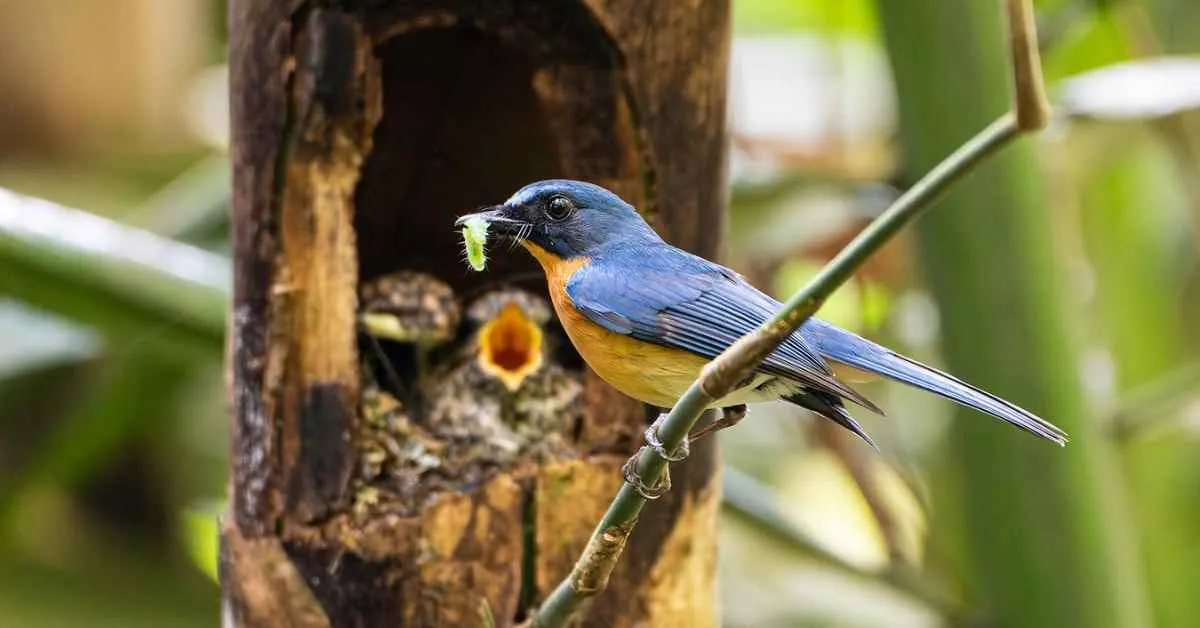
Some former bird hunters on the Indonesian island of Java are now working to save songbirds. They have become important local conservation figures.
The Menoreh Hills in Central Java used to be a haven for songbirds. But hunting and changes in land use have caused bird sightings to drop over several years.
One bird, the Javan blue flycatcher, is now critically endangered. Many more of these birds live in cages than in the wild forests of Java.
We're a new kind of news feed.
Regular news is designed to drain you. We're a non-profit built to restore you. Every story we publish is scored for impact, progress, and hope.
Start Your News DetoxFrom Hunter to Protector
Parman grew up hunting songbirds in the Menoreh Hills, near Yogyakarta. He would take young birds from nests before they could fly. He raised them to sell.
"Most buyers came from outside the area," Parman told Mongabay Indonesia. "They'd ask local people to catch them, and we'd sell them for a pretty good price."
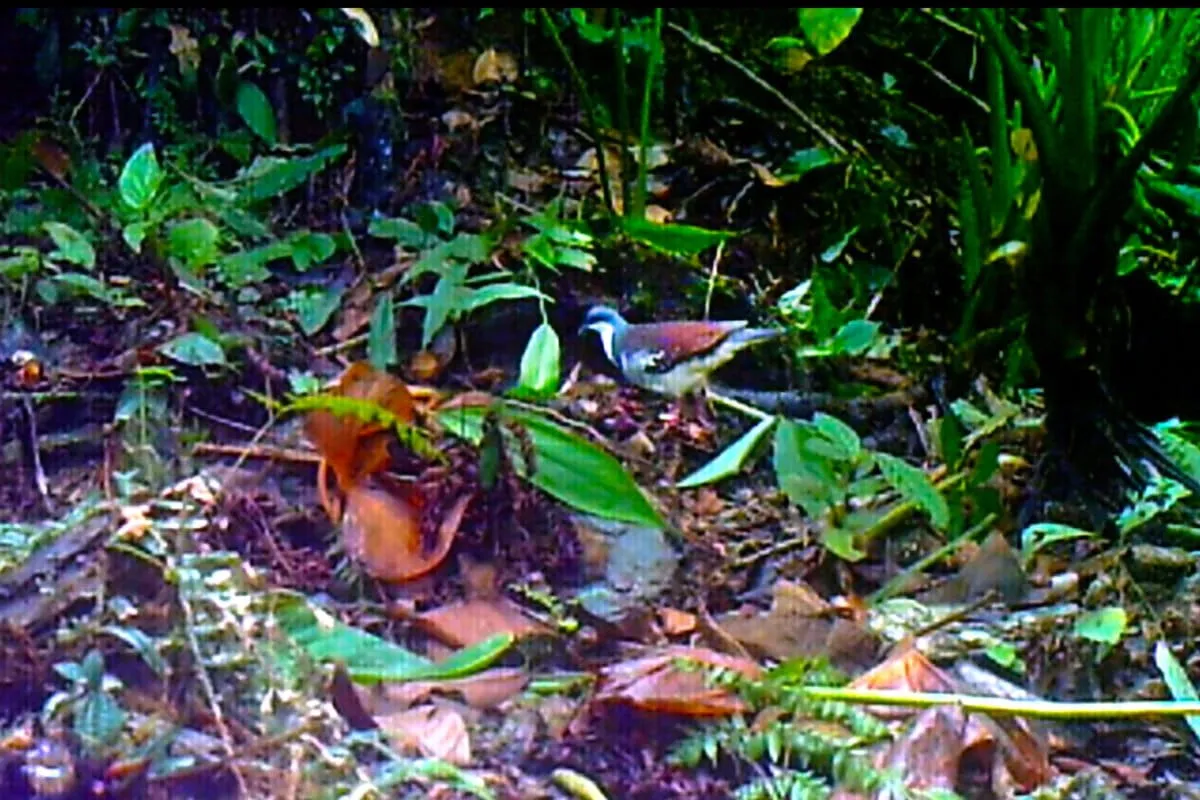
The colorful Javan blue flycatcher (Cyornis banyumas) was once common. Now, it is critically endangered. This shows how serious Indonesia's songbird trade is.
The IUCN, a global wildlife conservation group, reported in 2022 that tens of thousands of Javan blue flycatchers are likely in captivity. Fewer than 1,000, and possibly much less, live in the wild.
"It became really difficult to find birds here," Parman said. "So that's why we stopped, and chose to focus on raising goats instead."
When Parman and his friends stopped hunting, outsiders came to fill the gap. This made him see the hills differently.
Building Bird Corridors
Across Java, a few former bird hunters are becoming conservationists. Parman now helps protect the birds he once hunted. He works to strengthen "animal corridors," which are natural pathways that connect forests and prevent habitats from breaking apart.
In Donorejo village, local leaders banned songbird hunting. Since the ban started about two years ago, people have reported seeing more Javan blue flycatchers.
Some residents have also planted fruit trees, nectar-rich flowers, and crops like sorghum. These plants help feed local birds.
Adhita Virya Akmilius Lala, a young conservationist, noted that local springs are important bird habitats. Hunting and environmental damage have harmed these water sources.
"We also ensure that trees containing nests are protected and monitored," Adhita said.
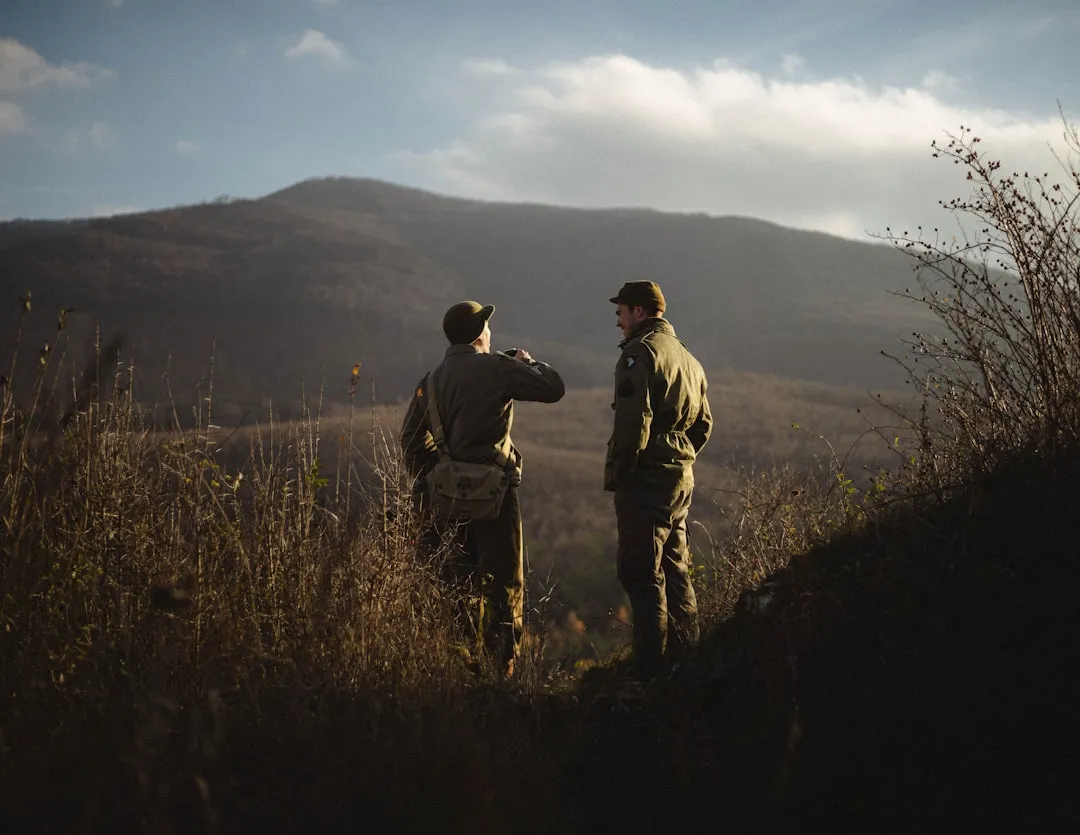
Tegar Cahaya Putra, who started a local conservation group, said protecting the Menoreh Hills is now part of local development plans.
"At least now there are efforts by residents to build bird corridors to maintain bird diversity and populations," Tegar said.
Much of the land is privately owned. The Kanopi Indonesia Foundation, a bird charity, believes community outreach can help.
"For example, the landowners of the upland there already know that their area is a nesting ground for Javan blue flycatchers, so they won’t clear-cut the hill," said Arif Rudiyanto from Kanopi.
Hope for the Future
About five years ago, Parman noticed the Menoreh Hills became quiet. Birds seemed to stop nesting there.
He hopes it's not too late for the Javan blue flycatcher and other birds. They face threats from climate change, hunting, and land-use changes.
Bird mapping in Donorejo village showed that local springs are vital for both birds and people. Protecting these springs, which birds use for water and food, also helps the community avoid water shortages.
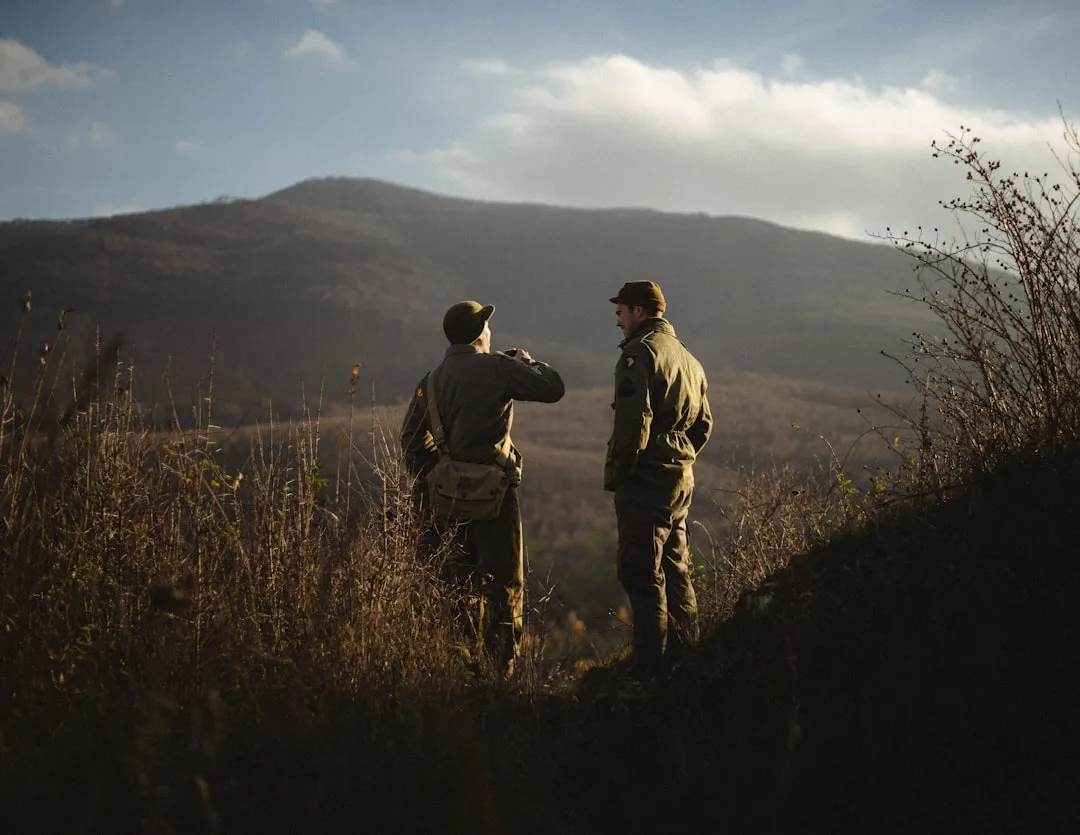
Parman and others in the village formed a group to record bird sightings and map their locations. Their data shows many birds gather around local springs. Five of these springs are in critical condition due to low water levels.
"This data will be our material for rehabilitating the bird corridor here," Parman said.