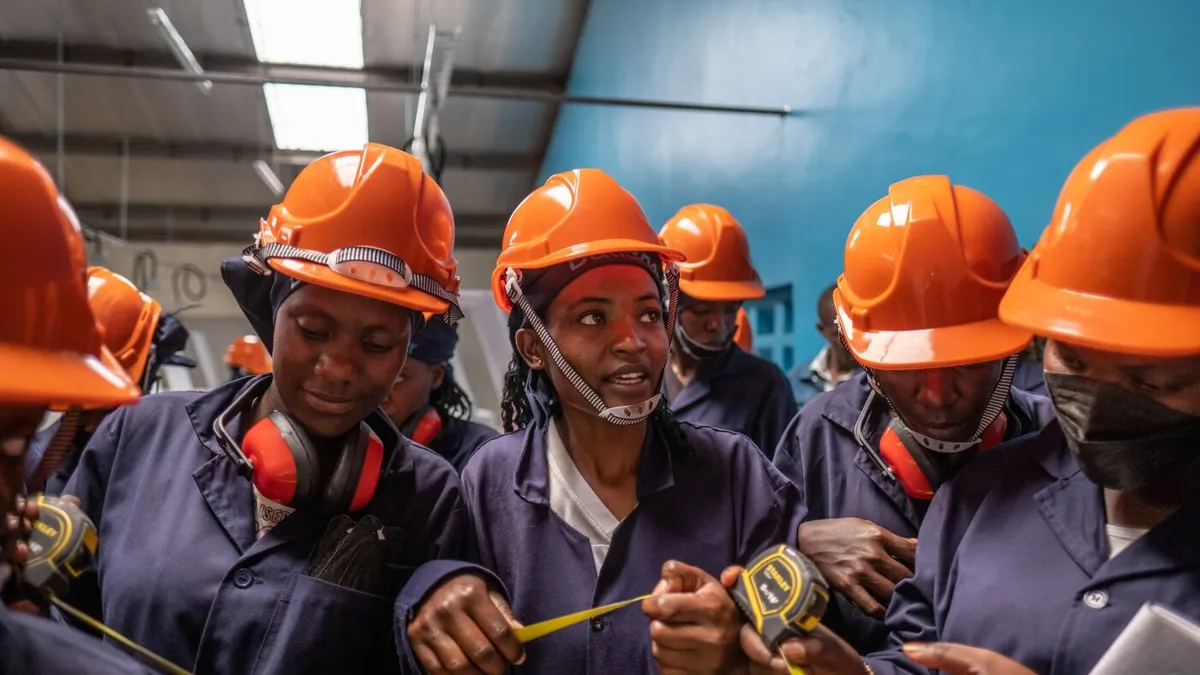
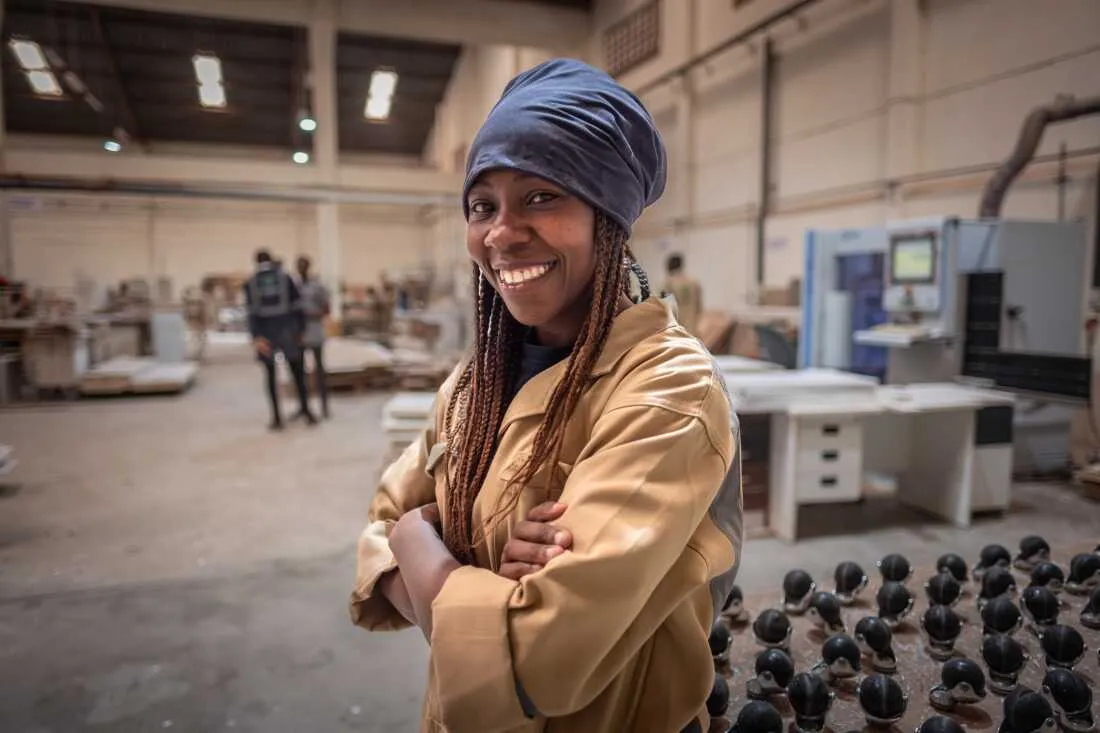
Diana Ojiambo, a 24-year-old machine operator, works at Furniture International in Nairobi. She feeds cabinet panels through a PVC edger. Ojiambo used to be shy, but now she speaks up.
She works alongside other women who sand and assemble cabinetry. Jane Mwangi, 23, supervises them. Just a year ago, these women had no experience in construction. Ojiambo had never worked with men before.
Breaking Barriers in Construction
Women are rare in Kenya's building trades. The construction sector in Nairobi is booming, making it a multi-billion-dollar industry. However, women make up only 3% of accredited construction artisans, according to Kenya's National Construction Authority.
We're a new kind of news feed.
Regular news is designed to drain you. We're a non-profit built to restore you. Every story we publish is scored for impact, progress, and hope.
Start Your News DetoxMost women in construction have low-paying, informal jobs. They carry water, haul sand, or clean sites. They are not often trained for specialized roles. Women also do most of the unpaid caregiving and household work. This is due to long-held ideas about gender roles in Kenya.
Buildher, a nonprofit in Nairobi, aims to change this. They offer year-long training and internships in carpentry, tiling, painting, and other finishing trades. This helps women get stable, better-paying jobs. Since 2019, Buildher has trained over 1,000 women. Graduates increase their daily earnings five to six times within a year, from about $1.50 to $11-$12.
A 2024 study by Dalberg, a global advisory firm, found that about 65% of Buildher graduates were still working in construction a year after finishing the program.
Tatu Gatere, an architect and Buildher cofounder, saw women stuck in low-paying jobs. She wanted to help them see their potential.
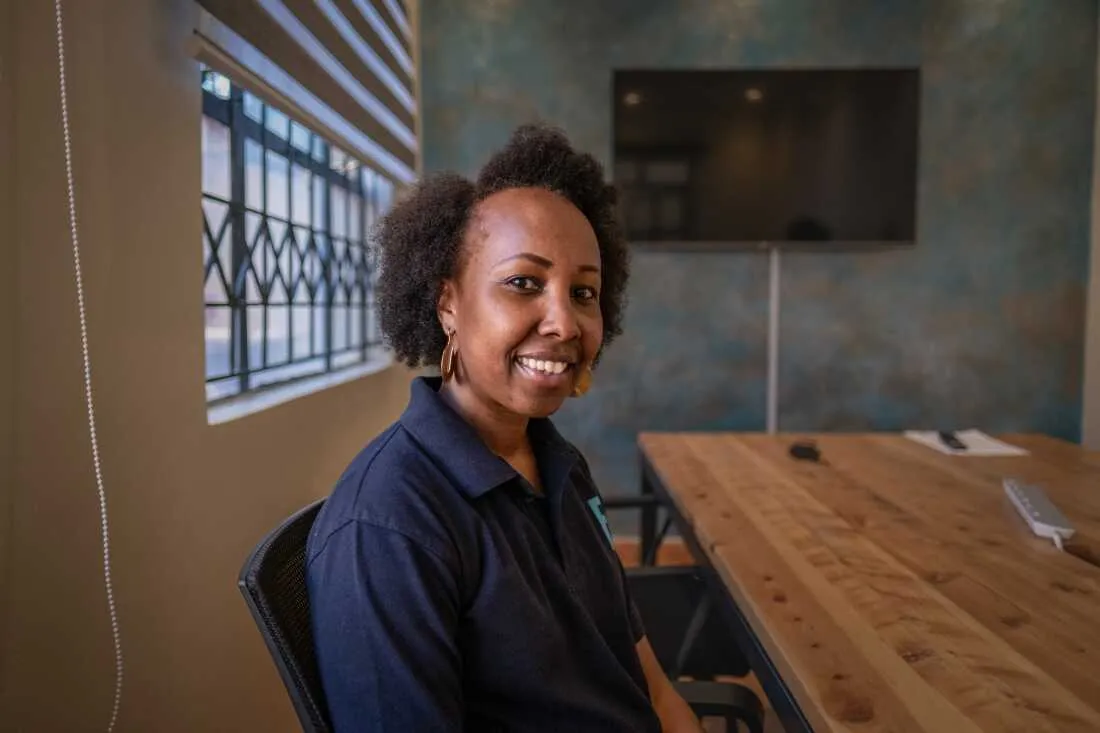
Gatere says that hearing about other women succeeding makes the idea of working in trades possible. Many women learn about Buildher through word of mouth. Graduates encourage friends and neighbors to apply.
Diana Ojiambo, a single mother of two, was unemployed and struggling. A friend from Kibera, where she lives, told her about Buildher. She says her life was challenging, but now she can support herself and her children.
Ojiambo plans to start her own carpentry business in Kibera within the next year. She notes that some men at her current company still doubt women's abilities. But she believes that if you know what you want and believe in yourself, you can show them you can do it, even better.
Training for Success
Young women gather at Buildher's training center in Nairobi's Baba Dogo industrial area. A new group of students just finished orientation. Sixteen trainees are now learning about solar installation, a new course offered this year.
In a nearby warehouse, trainees practice tiling. They spread adhesive on the floor and use notched trowels to create ridges. Trainer Robert Ndungu shows them the correct technique. He says it inspires him to see women learn tiling and improve their families' lives.
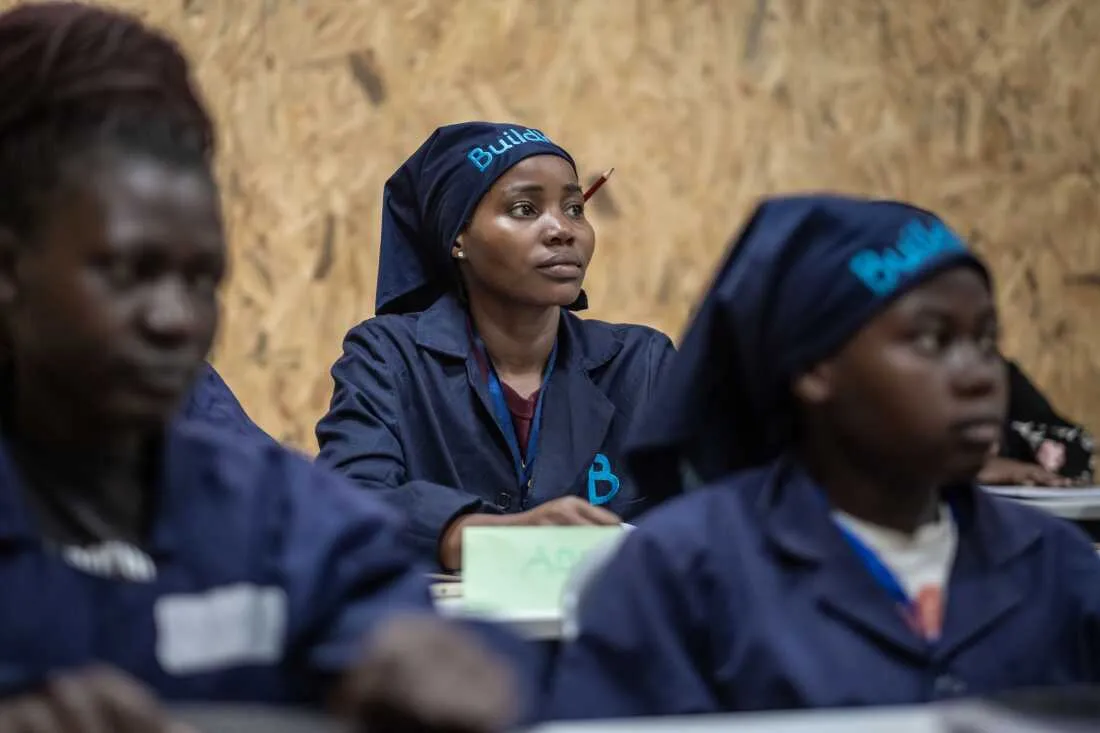
Buildher cofounder Gatere notes that learning a trade is only part of the challenge. Many women face childcare issues, financial instability, and resistance from family members about working in construction.
Some women also worry about safety in male-dominated workplaces, where harassment is common. Gatere, an architect herself, experienced harassment on construction sites even in leadership roles.
These experiences and feedback from trainees and employers have shaped Buildher's approach. They prepare women technically, emotionally, and physically for the industry.
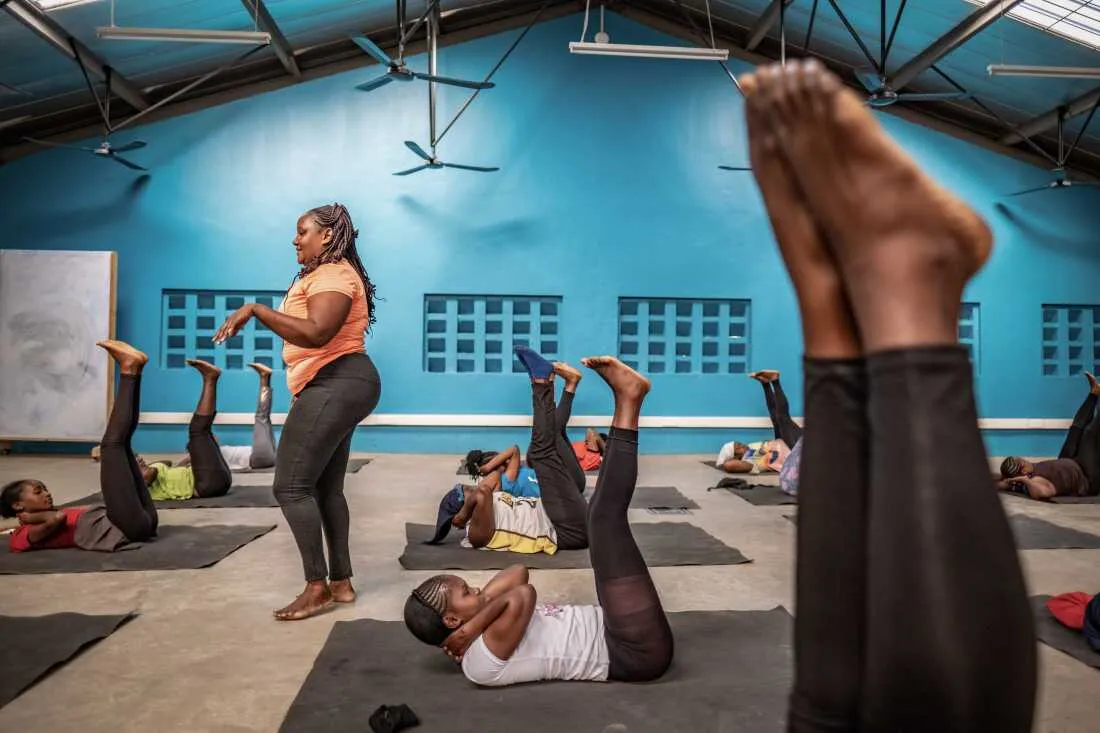
Buildher offers gym classes with squats and lifting drills. They also have yoga and mindfulness sessions to help trainees stay focused and calm. The organization employs a mental health coach and a nutritionist. Trainees attend group wellness sessions every two weeks.
Dalberg's research, based on a survey of 354 women in construction, shows these efforts are working. Buildher graduates reported higher incomes, more involvement in household decisions, and stronger community support.
Naoko Koyama, a Dalberg partner, says graduates also take more pride in their work. She believes the mix of technical and soft-skills training is a good model for other male-dominated industries.
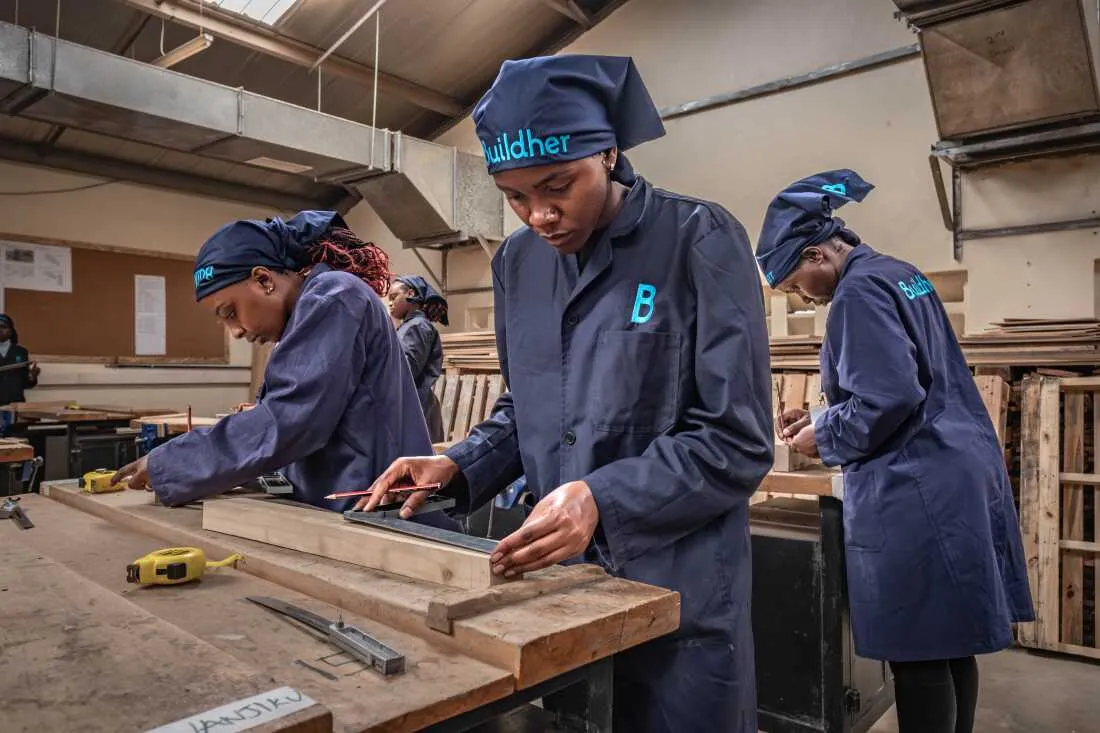
Ruth Kiarie, 27, a single mother, joined Buildher's painting and decorating program two weeks ago. She became interested in painting while renovating classrooms in Kibera. She also cares for her autistic daughter, which has made her think about color and space differently. Kiarie hopes to work in color psychology, advising on how colors affect mood.
A Future of Opportunity
Tatu City, a large development north of Nairobi, shows Kenya's changing urban landscape. It includes housing, factories, schools, and offices.
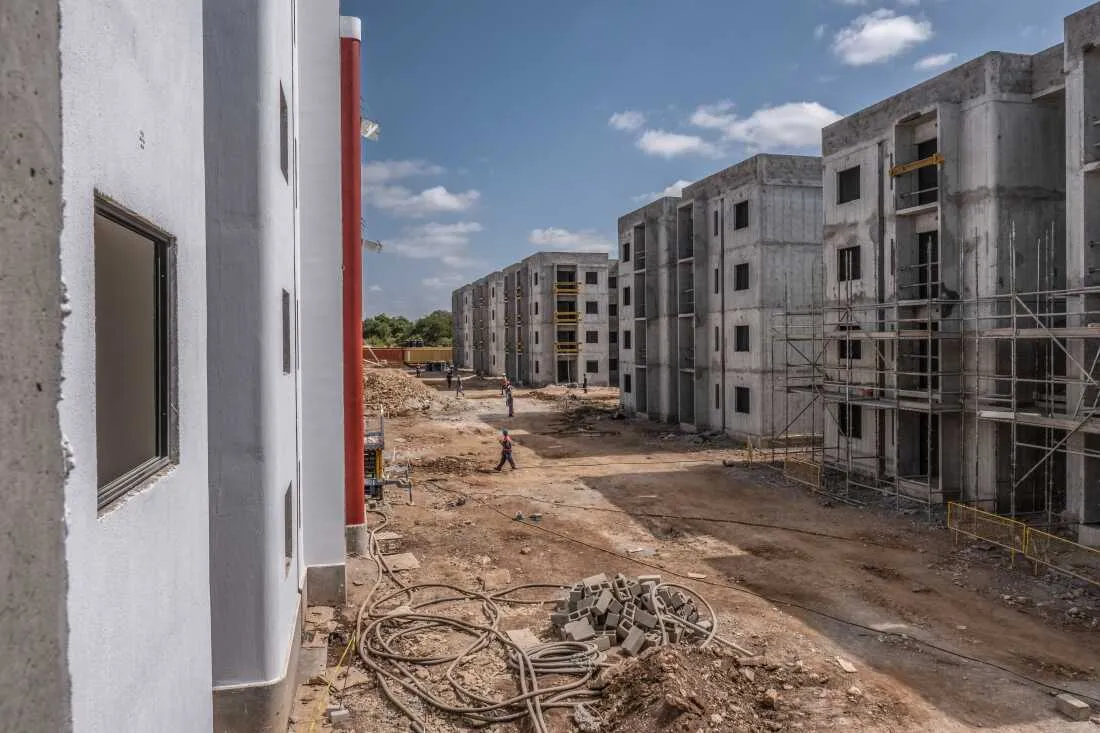
Tatu City is a key testing ground for Buildher. About 50 trainees worked on finishing and interior jobs at Eneo at Tatu Central, an office complex. Pumi Lukhele, from Gateway Real Estate Africa, says the tiling contractor was impressed and hired seven women full-time. She credits Buildher's training for the women's professionalism.
Buildher works with about 150 employers in and around Nairobi. They aim to increase women's participation in skilled construction jobs from 3% to 10% by 2030.
Gatere believes achieving these goals requires big changes in the industry. Until last year, the law did not even require separate toilets for women. Buildher now works with firms on issues like harassment, equal pay, and basic conditions for women on sites.
Gatere envisions a future where women's safety and inclusion are not a constant fight. She sees more women starting their own businesses and bidding for contracts independently.
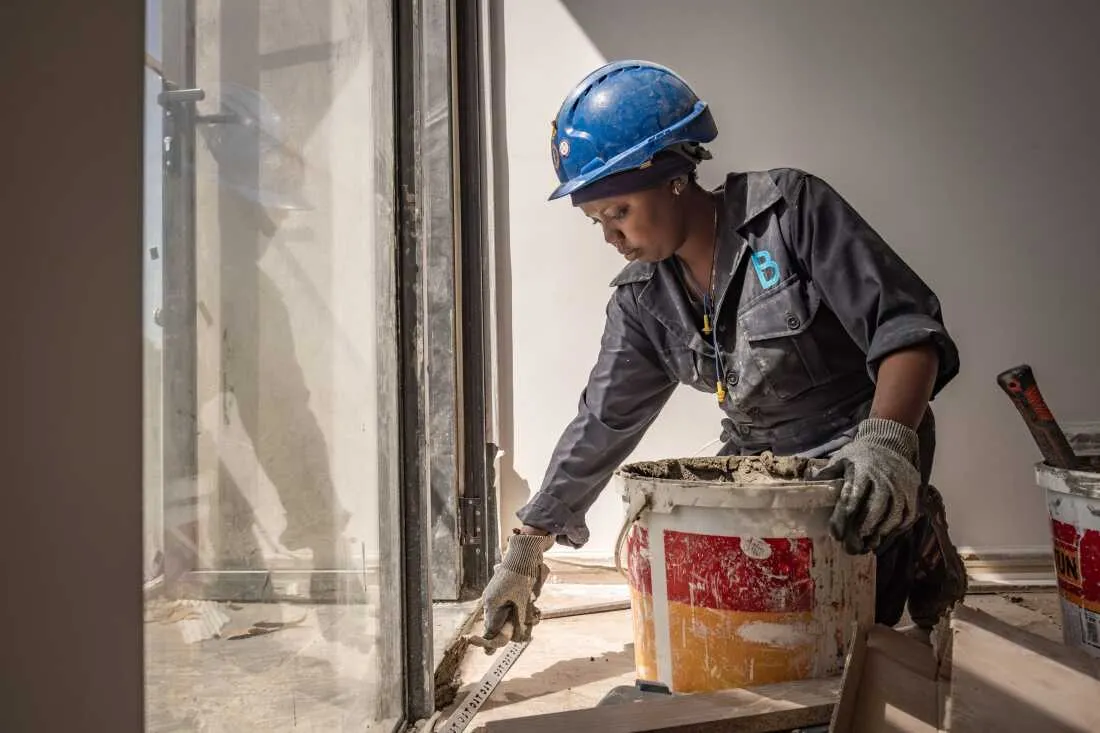
Margaret Klamaitha, 22, is a tiler at Tatu City. She completed Buildher's six-month tiling program last year. This is her first full-time construction job. She enjoys the work but sees it as a stepping stone. She hopes to move into quality control and then start her own construction business.
Klamaitha says it's "all about the mindset." She advises women not to let anyone put them down once they start something.