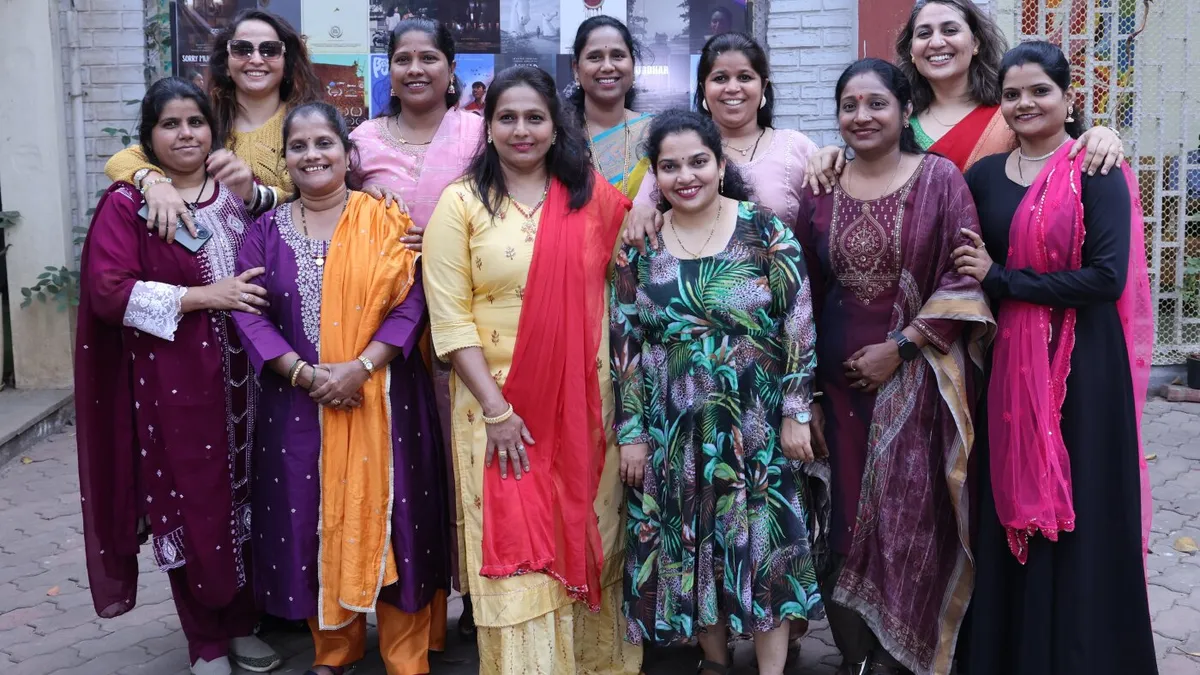
A new documentary called Mast Mahila Mandali, or Cool Ladies Club, is directed by ten working-class women from Mumbai, India. These women, who had no prior filmmaking experience, used smartphones to document their lives. The film premiered this spring to an audience of 1,200 people.
The women involved are domestic workers, community health workers, toilet operators, and home caregivers. They learned filmmaking basics from Shilpi Gulati, a filmmaker and teacher.
From Novices to Directors
The idea for the film began in 2024 with Supriya Jan from CORO India, a nonprofit that helps marginalized women. Jan initially wanted a short film about the "Right to Pee" campaign, which advocates for clean public toilets. She wanted women from an impoverished area to make the film.
We're a new kind of news feed.
Regular news is designed to drain you. We're a non-profit built to restore you. Every story we publish is scored for impact, progress, and hope.
Start Your News DetoxGulati was initially unsure how women with no filmmaking experience could co-direct. She created a lesson plan, teaching basics like lighting and composition. The ten women met weekly, working in pairs with five smartphones.
As the women filmed, the project grew. It expanded from a five-minute film about sanitation to a 70-minute documentary about their daily lives. The filming took six months, and editing took a year and a half.
Gulati says the film's theme is about these women taking time for themselves, building friendships, and finding joy. She calls it "a radical act of resistance against oppressive structures."
Finding Joy and Confidence
Darshana Mayekar, a toilet operator, felt rejuvenated by the experience. She said, "For 20 years, I have been busy raising a family and working. While making the film, I was able to live a little for myself. I am 50, but I feel 20."
Vaishali Mane, a community worker, gained confidence to speak up for herself and other women.
Rehana Shaikh, a home caregiver, had a particularly moving experience. She had always dreamed of being a dancer but was not allowed to take classes. When the opportunity to learn filmmaking came, she joined despite her husband's initial discomfort with her being on screen.
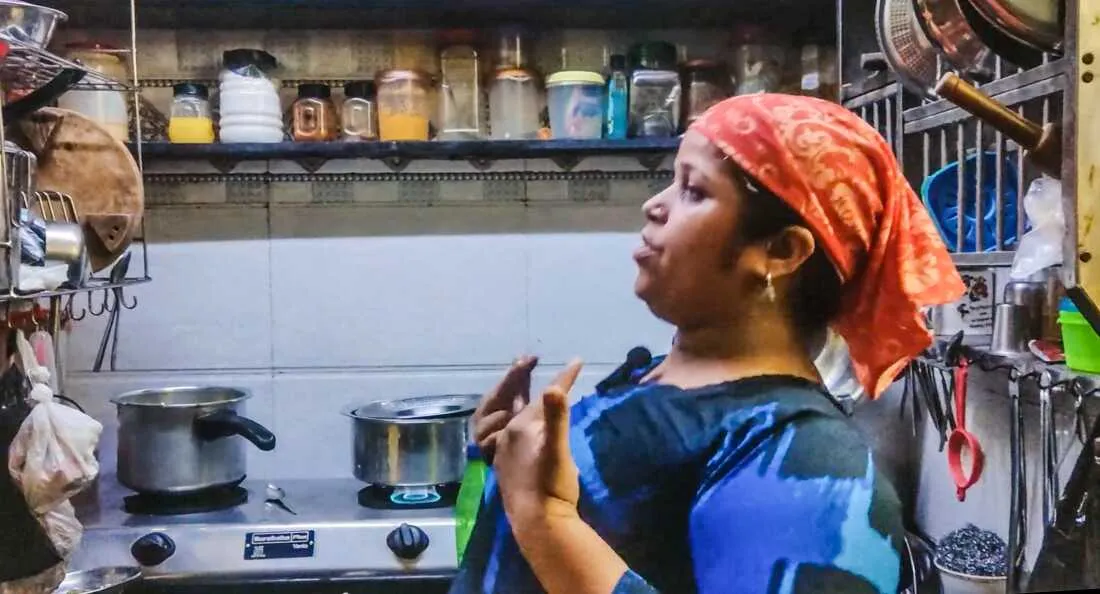
During filming, Shaikh was captured dancing in her kitchenette while preparing dinner. She debated keeping the scene in the film due to her husband's concerns. However, the other women encouraged her to show her passion.
At the premiere, her husband and children cheered for her. Shaikh was thrilled, saying they proudly told others, "She is my wife, that's my mother!"
The co-directors, including Shaikh, were paid $262 each. They share joint copyright of the film with Gulati and CORO India, meaning they will share potential income from distribution and ticket sales. The documentary will be submitted to film festivals.