Auckland recently hosted the International Coral Reefs Symposium, and if you thought it was all hushed tones and academic papers, think again. Christian Voolstra, who happens to be the president of the International Coral Reef Society, apparently decided it was time to channel some 90s rock anthems. He wrapped up the conference by quoting Rage Against the Machine. Because when the planet's most vibrant ecosystems are dying, sometimes you just need to yell.
Over 2,100 experts from more than 90 countries—scientists, conservationists, policymakers, even community leaders—converged from July 19-24. Their collective vibe? A mix of urgency, a dash of desperation, and a whole lot of very smart people trying to figure out how to save something that's rapidly dissolving into calcium carbonate dust. The main culprits, of course, are the usual suspects: warming and acidifying oceans, courtesy of our ever-burning fossil fuels.
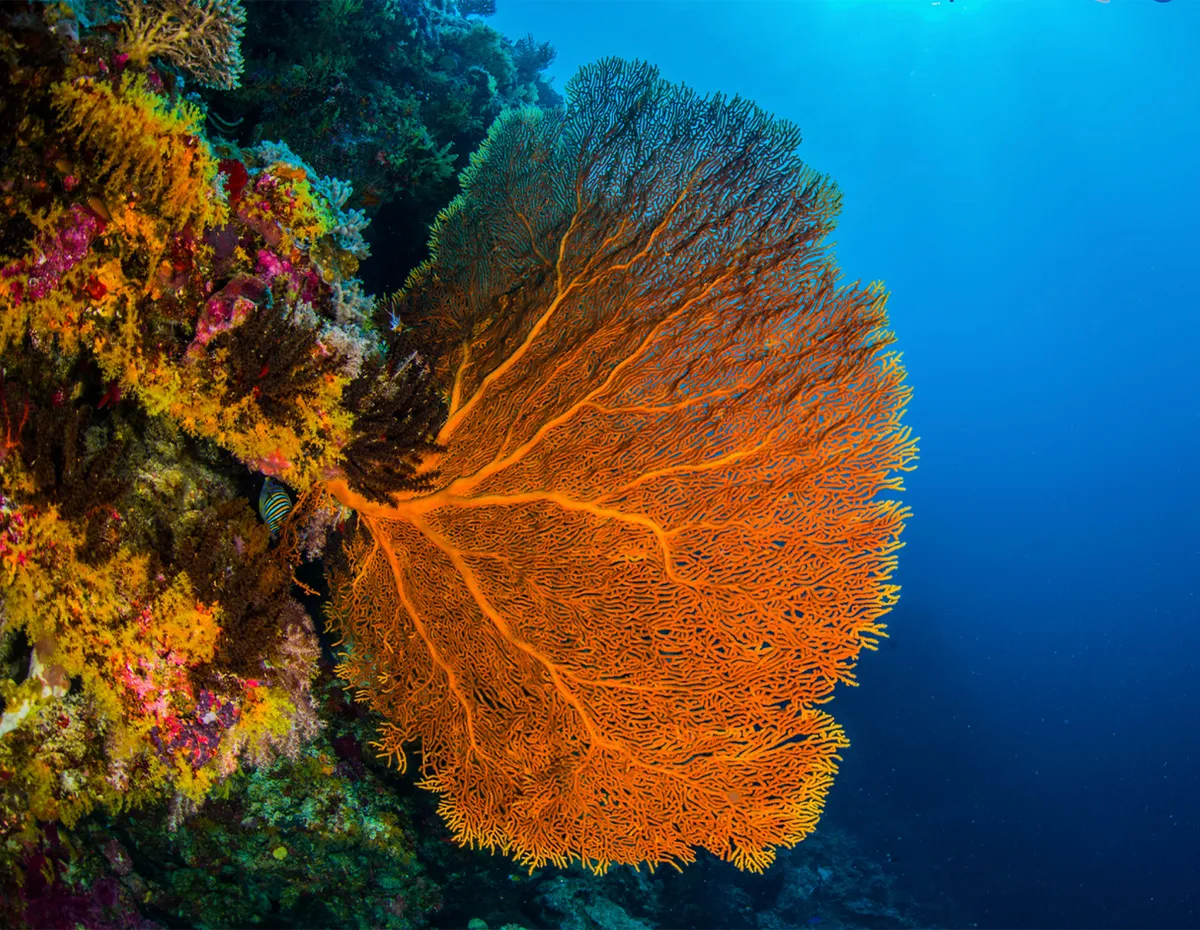
The discussions were as complex as the reefs themselves. How much effort should go into mitigating climate change versus, say, trying to grow coral in labs? (Spoiler: both, obviously.) How do we even talk about the current state of reefs without everyone just giving up and buying a doomsday bunker? And, perhaps most crucially, how do we finally get serious about involving Indigenous communities and their generations of traditional knowledge? Because apparently, they've been living with these reefs and understanding them for centuries, which seems like a decent head start.
We're a new kind of news feed.
Regular news is designed to drain you. We're a non-profit built to restore you. Every story we publish is scored for impact, progress, and hope.
Start Your News DetoxSo, while the scientists are quoting rock bands and grappling with existential threats, the underlying message is clear: the coral reef community isn't just publishing papers. They're ready to rage against the dying of the light, one scientific breakthrough (and maybe one power chord) at a time.