The Central African Republic. Not exactly topping most 'must-visit' travel lists, thanks to a rather persistent reputation for instability. But in the country's southwest, something quieter, and decidedly more hopeful, is stirring around Dzanga-Sangha National Park.
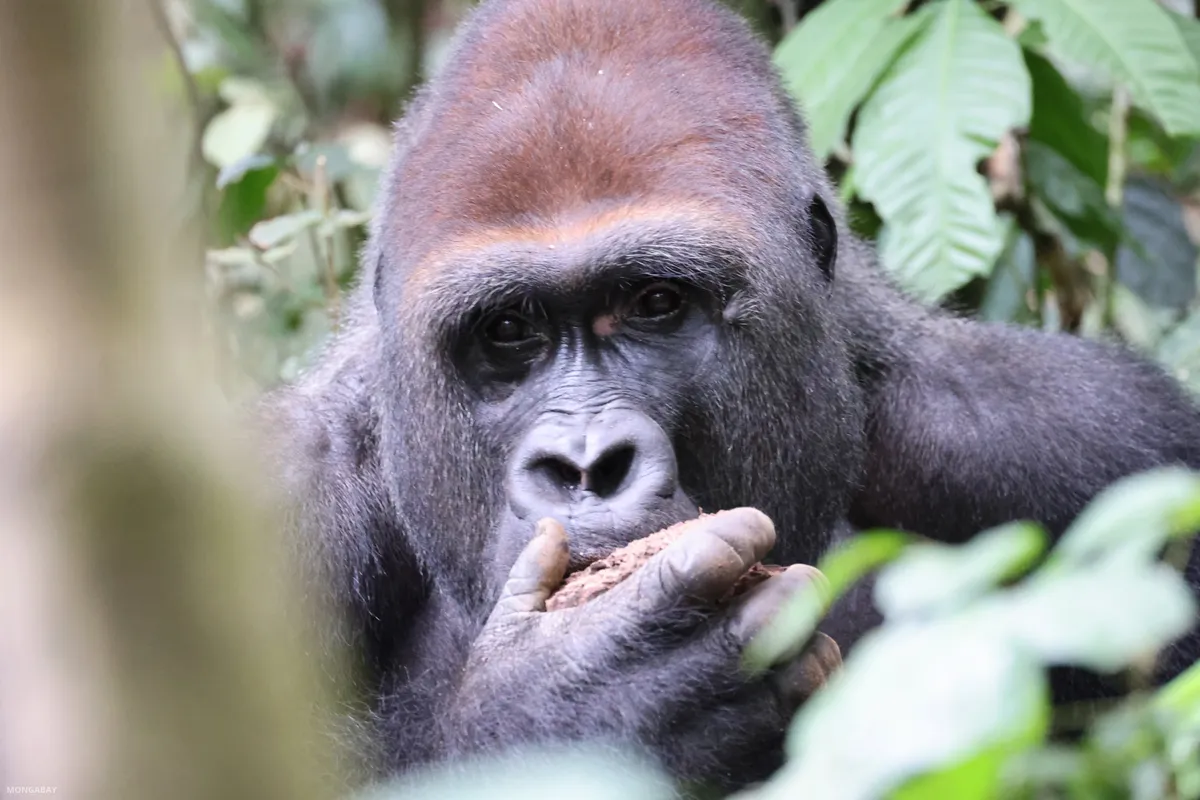
Turns out, a small but determined stream of visitors is making its way to the park's edge, near the town of Bayanga. Their targets? A veritable elephant convention at Dzanga Bai, where forest elephants gather like it's the hottest watering hole in town, and a habituated gorilla group that clearly missed the memo about shying away from humans.

Small Numbers, Big Ripples
Roughly 800 tourists showed up in 2025. Now, that's not exactly setting global tourism records, but for this corner of the world, it's a significant uptick. Gervais Pamongui, a deputy director for the Dzanga-Sangha Protected Areas, credits the park's undeniable allure and, perhaps more crucially, the region's surprising stability.
We're a new kind of news feed.
Regular news is designed to drain you. We're a non-profit built to restore you. Every story we publish is scored for impact, progress, and hope.
Start Your News DetoxTour guide Léonce Madomi put it best, describing the country's security reputation as "both true and false." He points out that Bayanga has largely dodged the chaos seen elsewhere. And the payoff? Lodges are seeing more steady bookings, guides and trackers have more consistent work, and some locals are using that newfound income for things like school fees and medical care.
Of course, it's not a silver bullet. The benefits aren't exactly universal, and tourism still employs only a fraction of the population. There are still roads that look like they've gone a few rounds with a meteor, and the occasional food shortage. But for a place often defined by its struggles, the sight of a few hundred tourists seeking out a forest elephant party is a pretty compelling argument for a different kind of future.