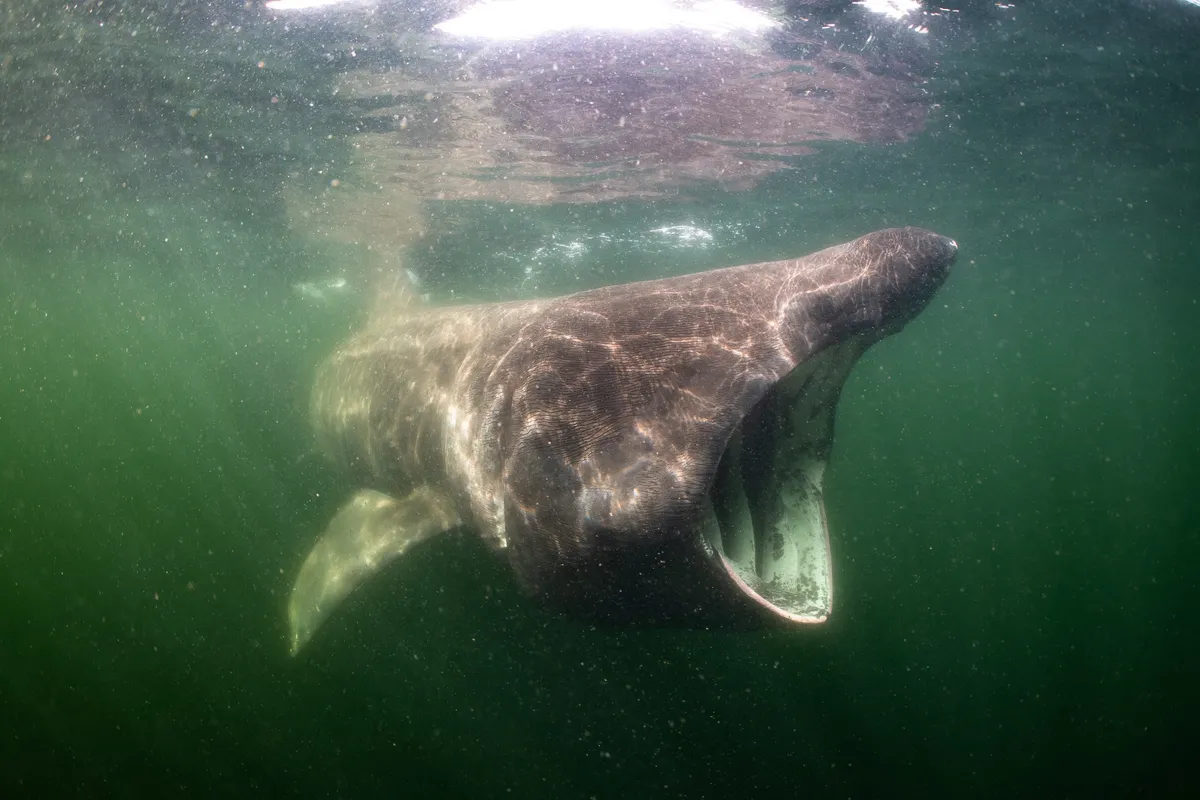
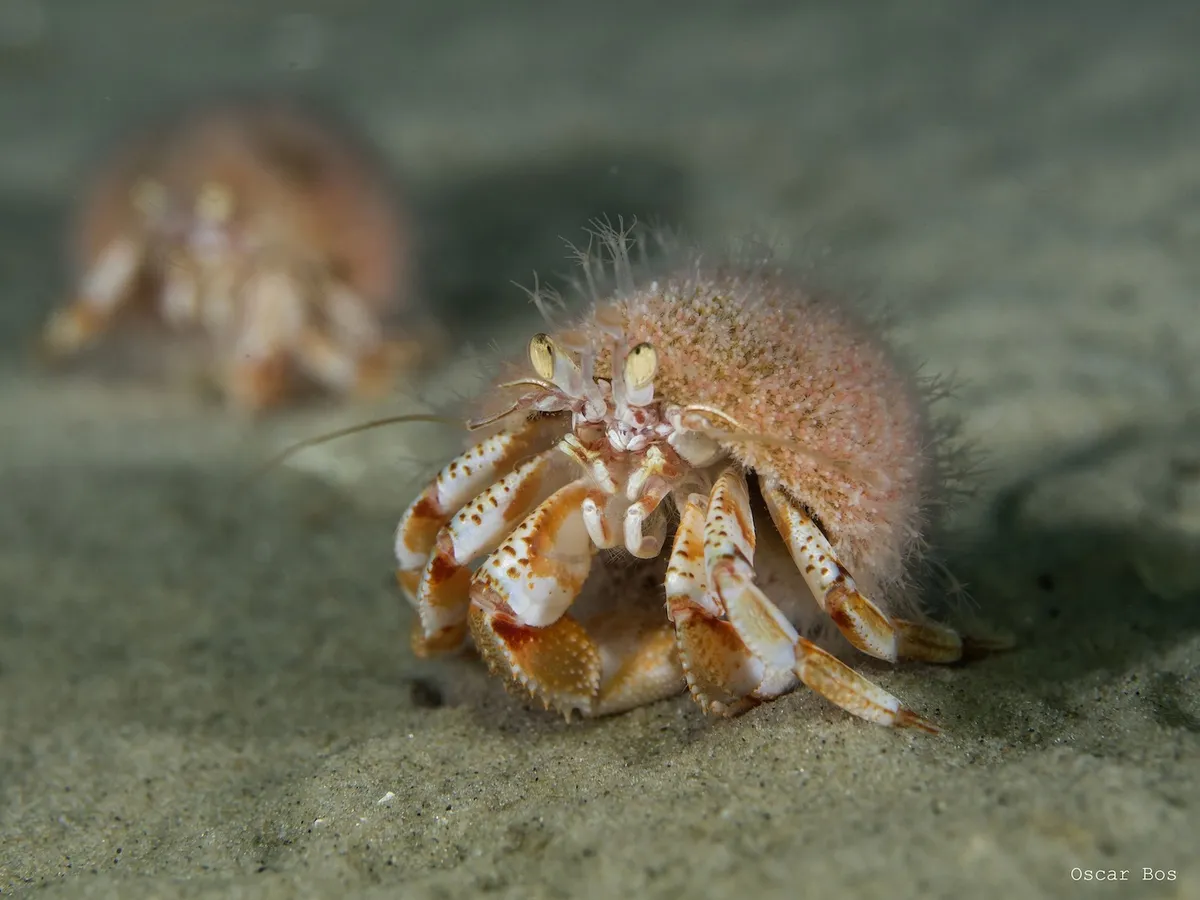
The North Sea's Dogger Bank has long been known as the "ecological heart" of the region. Picture a sprawling, shallow sandbank — 18,765 square kilometers of prime real estate for everything from sharks and rays to dolphins, shellfish, and a truly impressive number of sand eels. It's so vital, in fact, that the UK, Netherlands, Germany, and Denmark all agreed to designate large swaths of it as a protected area.
Which, if you're a marine creature, sounds like a pretty sweet deal. You'd think a place nicknamed "ecological heart" and officially "protected" would be off-limits for, say, industrial activity. And yet.
The Irony of Protection
For years, Dogger Bank has been a bit of a free-for-all. Bottom trawlers, those delightful seafloor scrapers, have been dragging their nets through parts of it. Oil and gas rigs have been drilling away. Because apparently, "protected" sometimes just means "we'll get to it eventually."
We're a new kind of news feed.
Regular news is designed to drain you. We're a non-profit built to restore you. Every story we publish is scored for impact, progress, and hope.
Start Your News DetoxConservationists recently had a moment of triumph when a court ruling finally restricted bottom trawling in the Dutch section. A small victory, sure, but a victory nonetheless. You could almost hear the collective sigh of relief from the sand eels.
But just as one problem gets (partially) reined in, another pops up. The UK, having declared its section a Special Area of Conservation back in 2012, is now enthusiastically building massive wind farms right in the middle of it. Because, in a twist that only marine policy could deliver, the solution to one environmental problem (fossil fuels) is now creating a new one in a supposedly protected habitat.
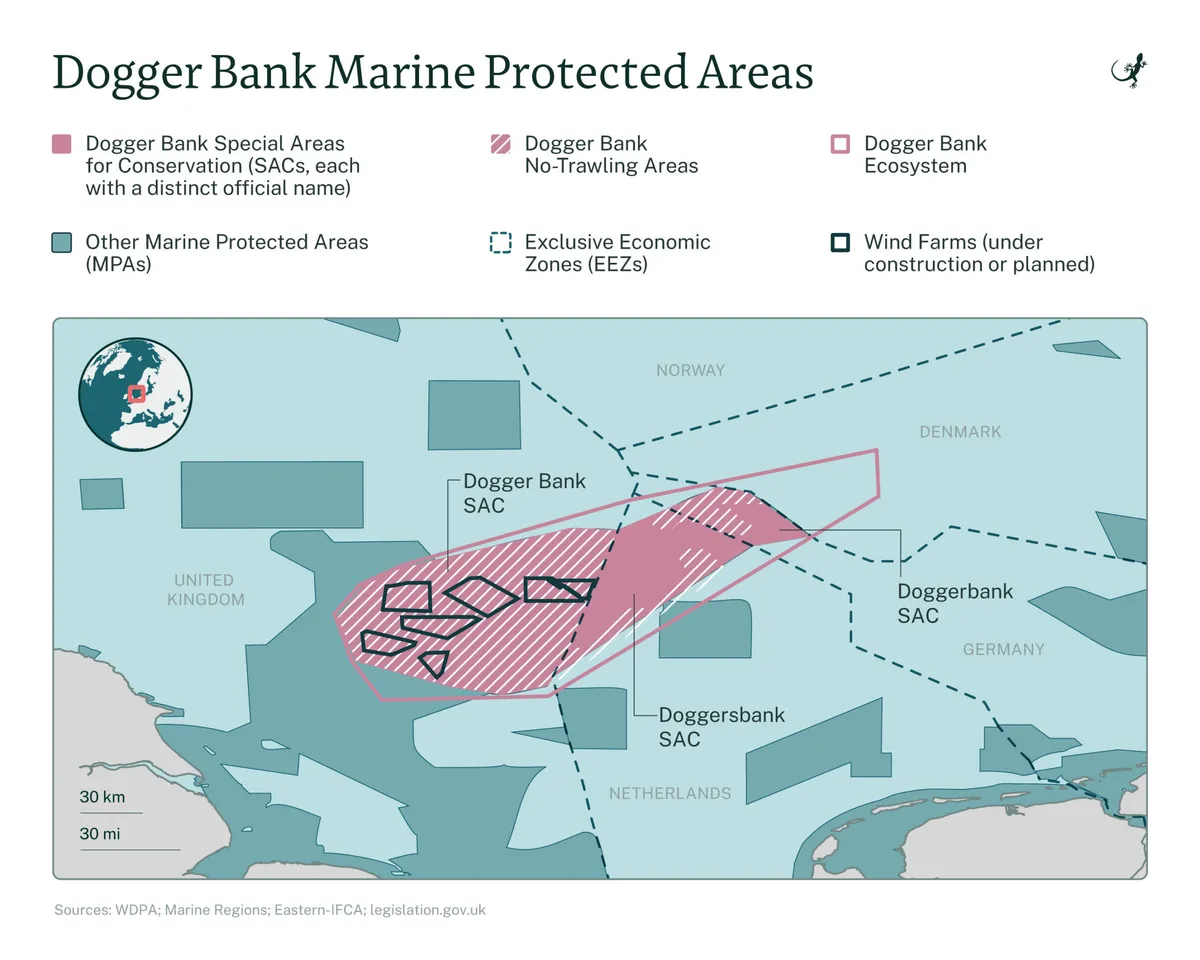
It’s a tangled mess, with three separate marine protected areas managed by different countries since 2007. The Dogger Bank, it seems, is less a sanctuary and more a very large, very complicated shared backyard where everyone has slightly different rules about what constitutes "no trespassing."
So, while the ocean's ecological heart beats on, it's doing so with a few more holes than originally intended.