Turns out, if you want something done right — like, say, protecting a critically endangered gorilla species from illegal logging and poaching — sometimes you just have to give the job to the women.
That's exactly what's happening in Nigeria's Afi Mountain Wildlife Sanctuary, a vital hotspot for wildlife that's home to the ridiculously rare Cross River gorilla and the Nigeria-Cameroon chimpanzee. When traditional male leaders found themselves a bit… conflicted about enforcing conservation rules (turns out it's hard to stop logging when many of your constituents are, well, logging), the women stepped in.
No More Monkey Business
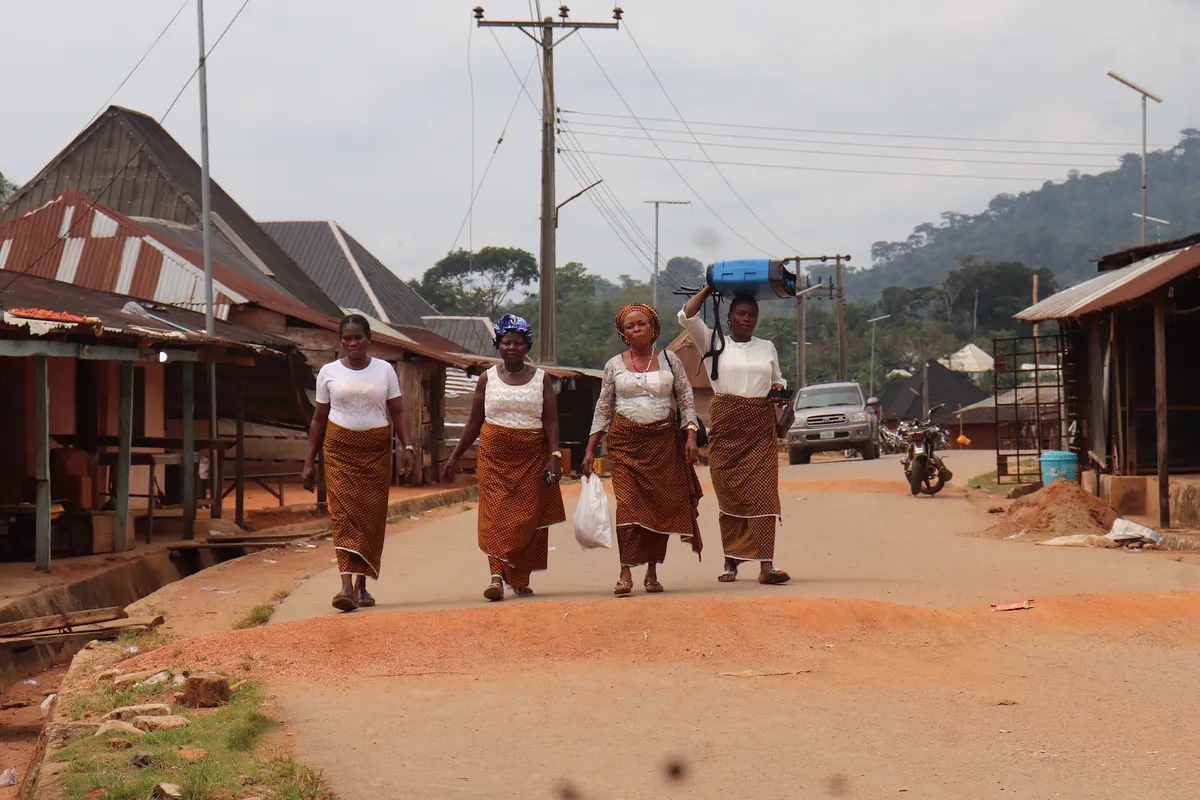
These formidable forces, known as conservation collectives, have popped up in villages like Ulom, Katabang, and Buanchor. As Ofre Mary, founder of the Ulom Women's Conservation Collective, put it with admirable directness: "Our men have failed to stop the threats. That's why women decided to take a stand."
We're a new kind of news feed.
Regular news is designed to drain you. We're a non-profit built to restore you. Every story we publish is scored for impact, progress, and hope.
Start Your News DetoxAnd take a stand they have. These collectives are regularly patrolling the sanctuary, often in the pre-dawn hours or under the cover of darkness. They're looking for everything from hunting snares to signs of illegal logging and wildfires. They even investigate wildlife crimes, sometimes bringing in community leaders or forestry officers when things get really sticky.
In 2024, the women in Ulom and Buanchor managed to halt illegal timber deals. How? By threatening to protest nude. Which, if you're unfamiliar, is a historically potent form of resistance in some Nigerian cultures, one that makes local leaders scramble to cancel contracts and issue refunds faster than you can say "critically endangered species." They're also keeping a watchful eye on the Afi River, ensuring it stays clean.

So, while the world frets about conservation, these women are out there, literally putting their bodies on the line (sometimes quite dramatically) to protect the planet's most vulnerable creatures. Let that sink in the next time someone tells you women can't lead.