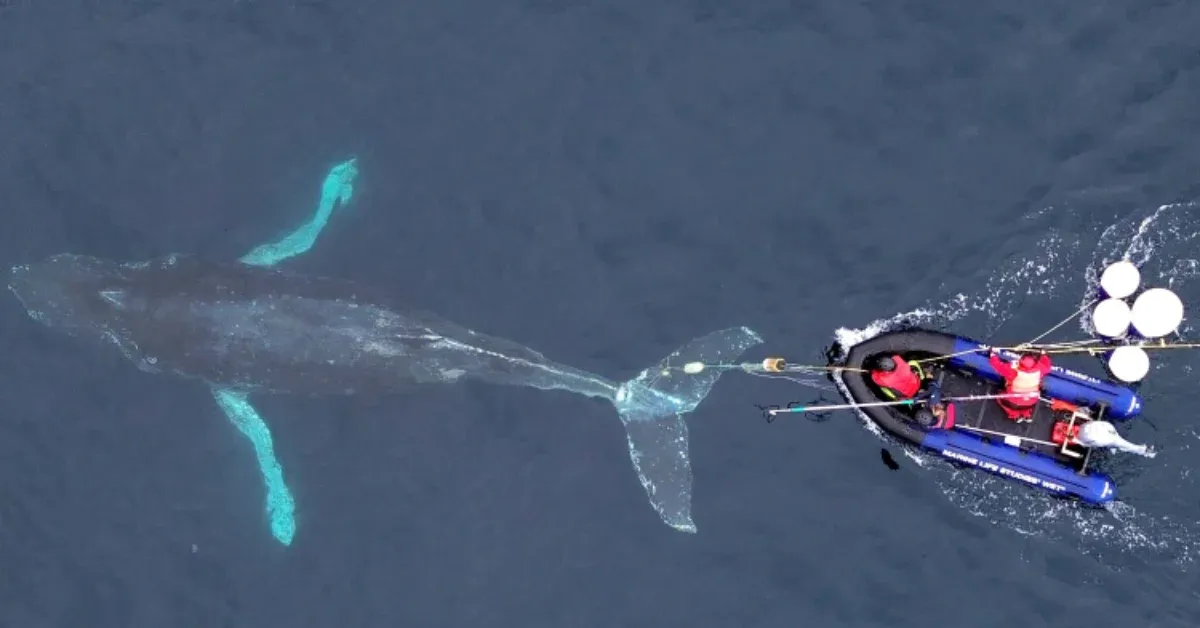
In late May, whale watchers in Monterey Bay spotted a humpback whale caught in fishing gear. The enormous whale was swimming with ropes and buoys trailing behind it. These items were identified as belonging to the California Dungeness crab fishery.
The gear had black and purple lines, which are new state markings to help identify fishing equipment. Dr. Julia O’Hern, a scientist at Marine Life Studies, explained that ropes were wrapped tightly around the whale's tail and flukes, cutting deeply into its body. This posed a serious threat to the whale's life.
A Community Effort to Save a Whale
Experts from several organizations, including Marine Life Studies and the West Coast Large Whale Entanglement Response Network, worked together. They also got crucial help from the local whale watching community. Photos and details from whale watchers helped the Whale Entanglement Team plan how to free the whale.
We're a new kind of news feed.
Regular news is designed to drain you. We're a non-profit built to restore you. Every story we publish is scored for impact, progress, and hope.
Start Your News DetoxBad weather in May made it too dangerous to help the whale right away. But whale watchers kept looking for the troubled humpback. They saw her again in late June and identified her using an online photo database. They nicknamed her "The Duchess of Anchovy."
O’Hern noted that the quick photos helped them track the whale and check its health changes while it was entangled. Because of this information, responders could act fast when the whale was seen again on July 11 near Moss Landing.
Peggy Stap, founder of Marine Life Studies, praised the whale watching community. She said captains and naturalists from local companies have joined their training events. "We could not do it without them," Stap added.
When the team tried to intervene, the humpback whale sped up and dove, trying to escape. Eventually, the team attached five large floating plastic balls to the line on the whale. This slowed it down and kept it closer to the surface.
O’Hern stressed the importance of being careful and slow to keep everyone safe. Only authorized responders should approach an entangled whale.
The Rescue and Recovery
About 14 miles west of Moss Landing, the team used a GoPro camera to see underwater. With a knife attached to a long pole, they made three cuts to the line, hoping it would come off.
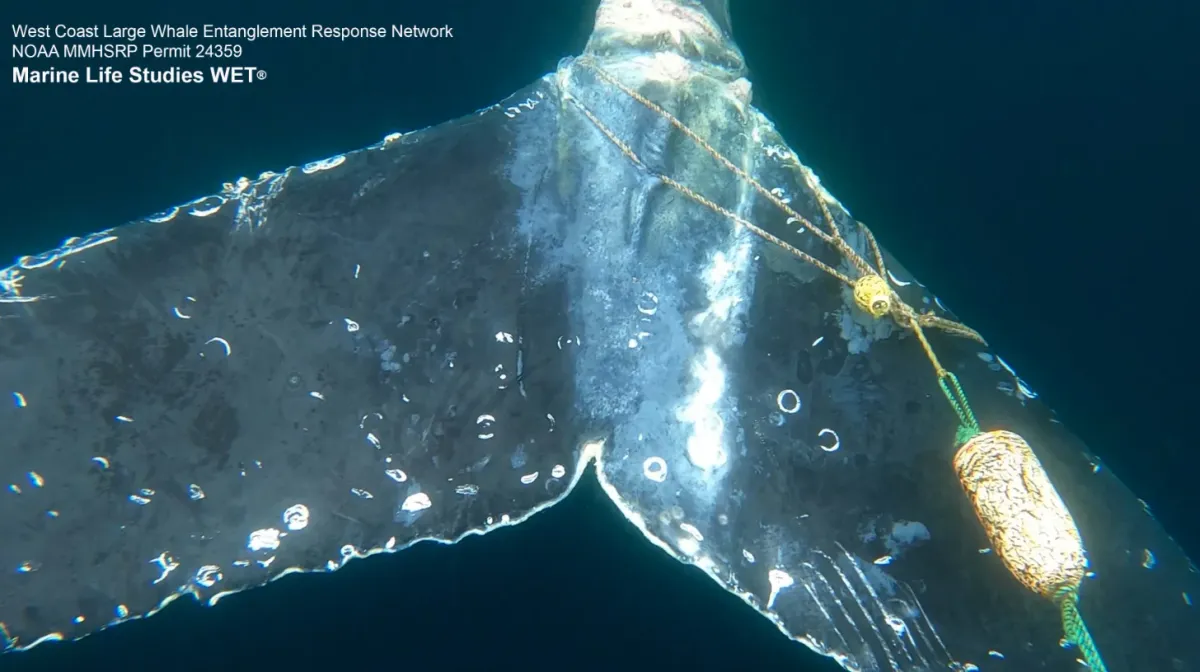
At first, nothing happened, and the team planned to try again the next day. But then, something unexpected happened. Scott Benson, a retired NOAA Fisheries scientist and team responder, said there was a "short little pop" in the line, and the gear slowly fell off. "Disappointment turned to elation in a matter of seconds," he said.
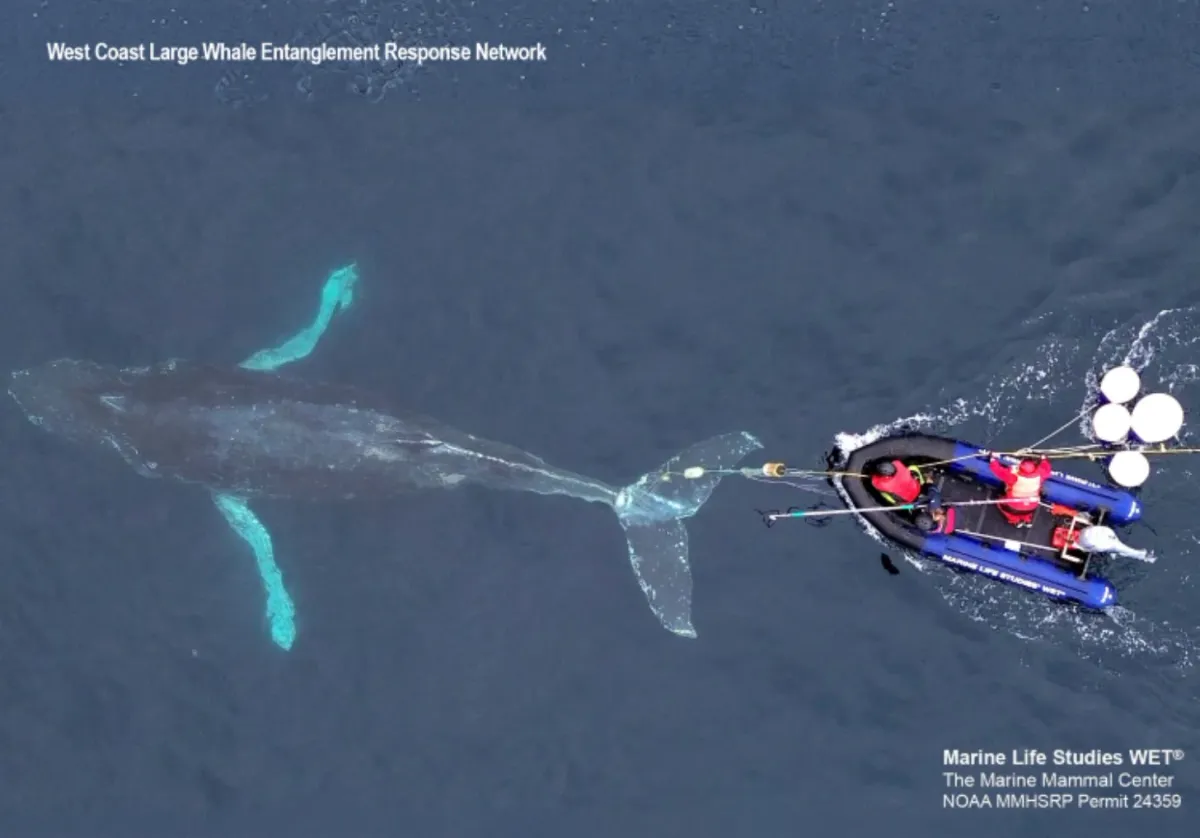
The fishing gear floated free, and The Duchess of Anchovy swam away quickly. The gear was from the most recent Dungeness crab season. NOAA Fisheries is now investigating when and where the gear was set to understand how the entanglement happened.
Lauren Saez, who helped coordinate the response for NOAA Fisheries, called it a "great example of collaboration." She noted that recovering the gear will help them understand what led to the entanglement.
The whale watching community continues to help. The day after the rescue, crews saw the newly freed whale feeding with other humpbacks near Moss Landing.
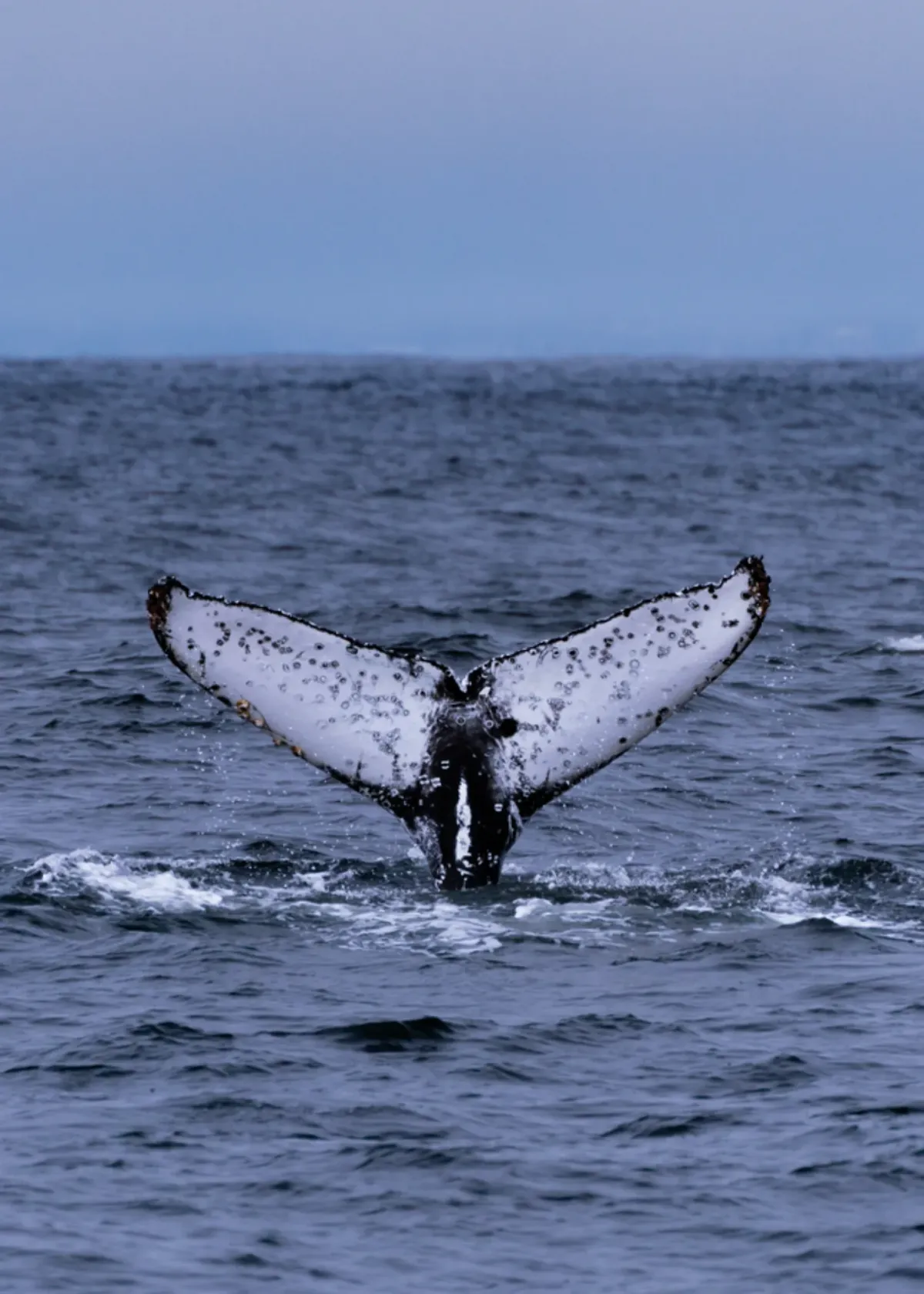
O’Hern said the whale watchers are sending photos to document the whale's wounds, body condition, and behavior. This will help them follow the humpback's progress after the rescue.
Deep Dive & References
Photos: Whale watch vessels help responders free entangled humpback whale in Monterey Bay - NOAA Fisheries