Imagine spending a month slogging through the dense, unforgiving jungles of Papua New Guinea, setting up camera traps, and getting precisely nothing. Then, on the final hours of your expedition, you scroll through the last memory card and — boom. There it is. A bird no scientist has officially documented since 1882.
That's precisely what happened to a team on a global quest to find "lost birds" — species that have essentially ghosted the scientific community for a decade or more. Their latest target: the black-naped pheasant-pigeon, known locally as Auwo, found only on Fergusson Island.
Jordan Boersma from Cornell University co-led the trip, and by his own admission, he figured there was less than a one percent chance of actually capturing a photo. But with some serious local help, they deployed 20 cameras across Mount Kilkerran.
We're a new kind of news feed.
Regular news is designed to drain you. We're a non-profit built to restore you. Every story we publish is scored for impact, progress, and hope.
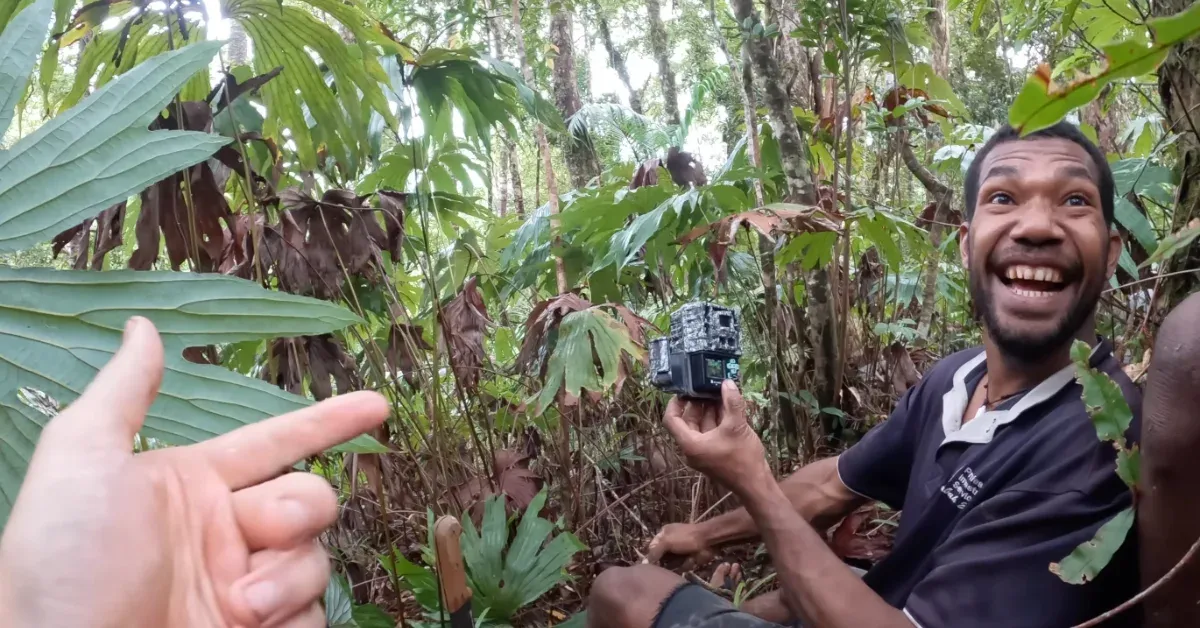
Start Your News DetoxOne camera, set up by local biologist Doka Nason, delivered the goods. The footage of Nason and Boersma seeing the images for the first time is pure, unadulterated joy. Shaking hands, jumping for joy, an exchange of "What is this?" and "It's it. It's Auwo." It’s the kind of moment that makes you want to high-five your screen.
A Feathered Phantom Returns
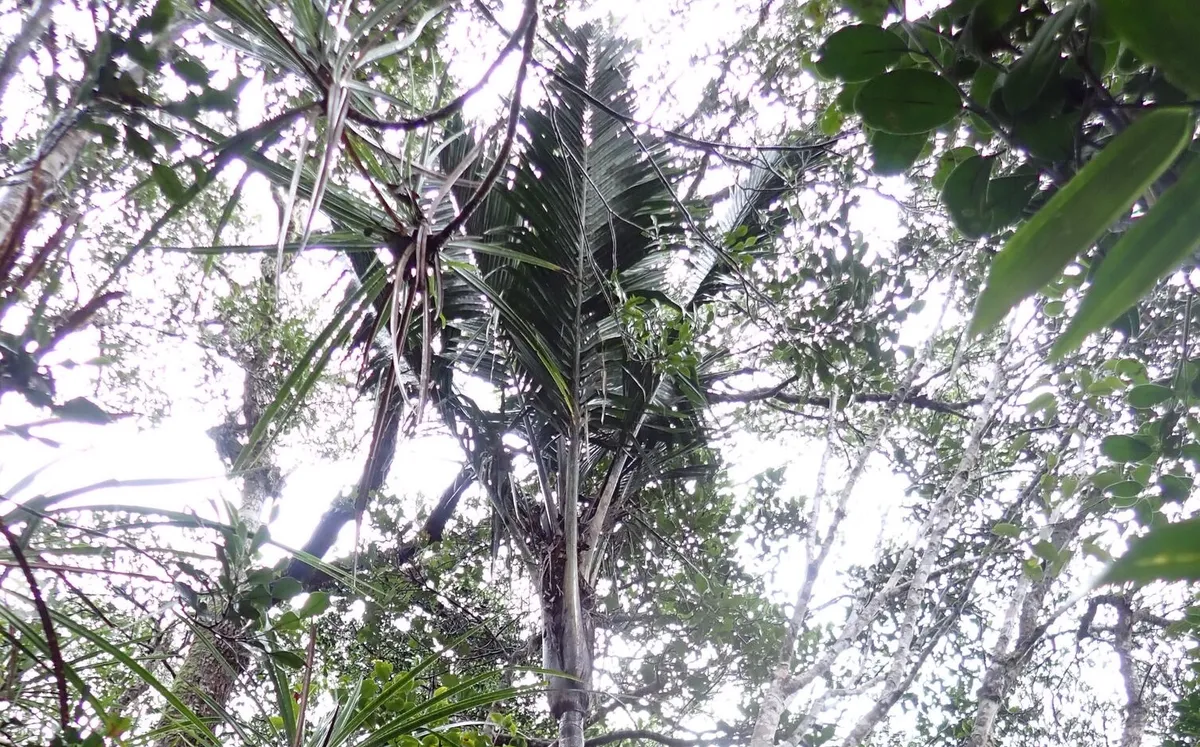
This isn't just a win for bird nerds (though it absolutely is that). Rediscovering the Auwo, which many locals had never even heard of, suggests it's incredibly sensitive to human activity. Its last stronghold is likely the island's most rugged, untouched forests. Which, if you think about it, is both impressive and slightly terrifying.
The good news? The local communities are thrilled about the discovery and are eager to help protect their long-lost feathered resident. Christina Biggs from Re:wild called it an "incredible beacon of hope" for other missing species, and frankly, she's not wrong.
Because if you can find a pigeon that's been playing hide-and-seek for 140 years, what else is out there, just waiting for its close-up?