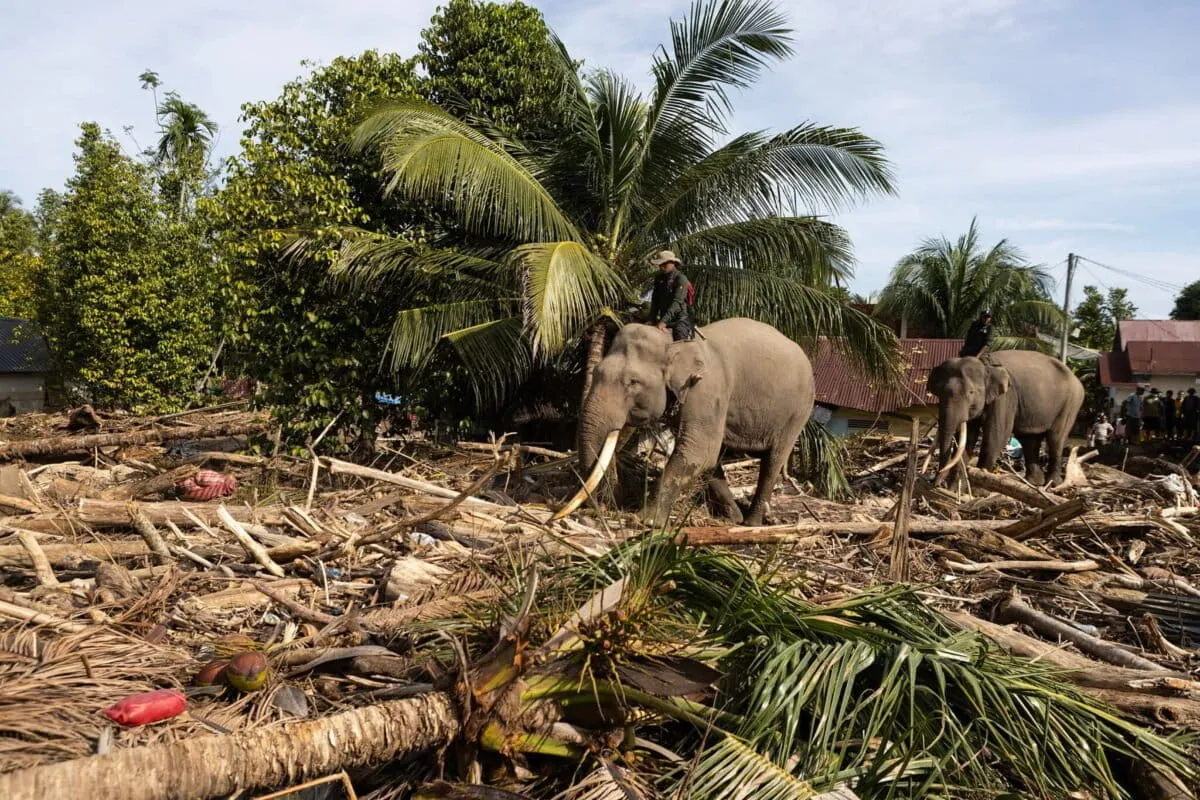
In late November 2025, a video circulated showing dozens of people stranded on a forested hillside in North Sumatra, surrounded by landslides, their phone signals dying as they called for help. Over 50 others had been trapped nearby for two nights. The 2025 Indonesia floods were brutal — but they're now driving something the country has struggled to achieve: real, systemic change in how it prepares for climate disasters.
The Meteorology, Climatology, and Geophysics Agency had warned in September that the wet season would bring severe floods and landslides. Most people didn't take it seriously. That gap between warning and action, between knowing and preparing, is exactly what the disaster has forced Indonesia to confront.
What the floods revealed
The scale of the crisis exposed what experts had been saying for years: Indonesia's infrastructure, early warning systems, and disaster response were inadequate for the climate reality it faces. Poor land use planning and chronic underinvestment in climate adaptation meant communities had little protection when the rains came hard.
We're a new kind of news feed.
Regular news is designed to drain you. We're a non-profit built to restore you. Every story we publish is scored for impact, progress, and hope.
Start Your News DetoxDr. Siti Nurbaya, Indonesia's Minister of Environment and Forestry, framed it plainly: "This was a wake-up call. We can no longer ignore the realities of climate change. We must act now to build a more resilient Indonesia."
That's not just rhetoric. The government has pledged to accelerate emissions reduction targets and significantly increase funding for climate adaptation. More importantly, the response is spreading beyond policy announcements. Across the country, communities are implementing local solutions — urban greening initiatives, community-based disaster risk reduction programs, mangrove and peatland restoration projects. These aren't one-off gestures; they're becoming embedded in how neighborhoods think about their future.
Rida Mulyana, Director General of New Renewable Energy and Energy Conservation at the Ministry of Energy and Mineral Resources, captured the shift: "We have a responsibility to our people and the planet to build a more sustainable future." The floods have made that responsibility feel urgent rather than abstract.
The path forward involves strengthening early warning systems so the next alert actually reaches people, investing in infrastructure designed to withstand extreme weather, and giving local communities real power in climate adaptation planning. These are the concrete steps that separate genuine resilience from wishful thinking.
What happens next will determine whether the 2025 floods become a genuine turning point or fade into the background as another disaster that prompted promises without follow-through.