Hemantha Withanage has spent years at UN climate conferences arguing that countries hit hardest by climate disasters deserve compensation. The environmental activist from Sri Lanka's Center for Environmental Justice never expected his own country to be the test case — but Cyclone Ditwah in late November changed that calculation.
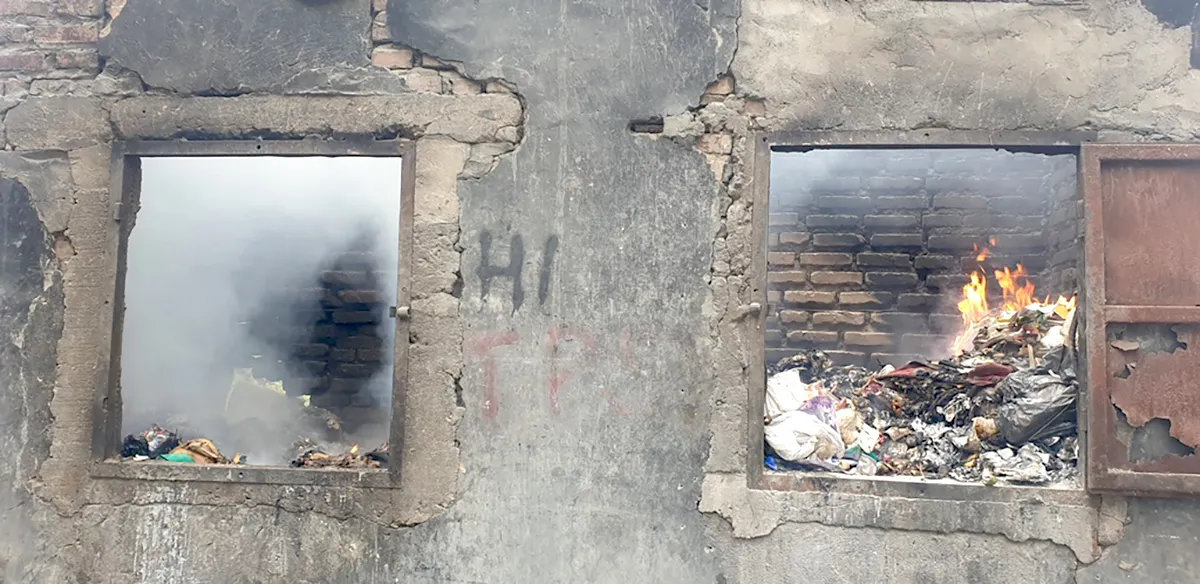
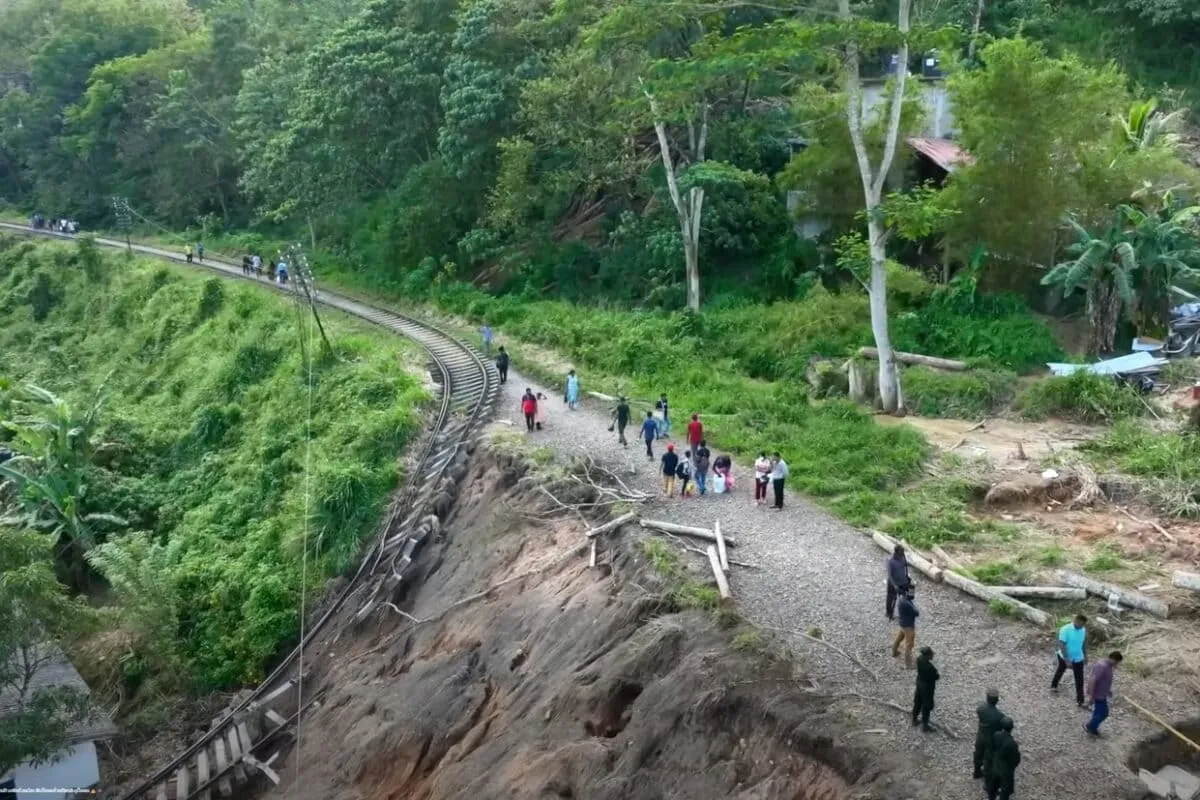
The storm killed at least 650 people, left around 200 missing, and carved a path of destruction across the island. The World Bank's damage assessment puts the direct physical toll at $4.1 billion — roughly 4% of Sri Lanka's entire GDP. Roads fractured. Bridges collapsed. Agricultural land flooded. The tourism sector, which depends on coastal stability, took a major hit. The scale of loss was immediate and undeniable.
What makes this moment significant isn't just the cyclone itself. It's that Sri Lanka is now positioning itself as the first applicant to the Fund for Loss and Damage (FRLD), a newly established mechanism created specifically to help vulnerable nations recover from climate-driven disasters. For decades, climate activists pushed for this fund to exist. Now it exists. And Sri Lanka is about to show whether it actually works.
We're a new kind of news feed.
Regular news is designed to drain you. We're a non-profit built to restore you. Every story we publish is scored for impact, progress, and hope.
Start Your News DetoxA Fund That's Finally Here — But Stretched Thin
The loss and damage fund represents a shift in how the world thinks about climate responsibility. Wealthy nations that built their economies on fossil fuels have long resisted the idea that they owe compensation to countries bearing the worst impacts of climate change. The FRLD changes that — at least in principle. Countries can now formally apply for help when cyclones, floods, or droughts exceed their capacity to respond alone.
But there's a catch. The fund exists, yes. Yet its resources remain modest compared to the actual scale of need across the Global South. Sri Lanka's $4.1 billion damage bill alone illustrates the gap between what's required and what's likely available.
Withanage frames the stakes clearly: this isn't just about rebuilding roads and homes in one island nation. It's about whether the climate finance architecture can actually function at the moment it matters most. "This is not just about Sri Lanka," he said. "It's about the future of the entire climate change regime and whether vulnerable countries can get the support they desperately need."
The application process will reveal whether the fund can move beyond symbolism into real, rapid relief — or whether it becomes another layer of bureaucracy that arrives too slowly for communities already rebuilding in the rain.