Walk into a figure skating nationals and you'll feel it immediately: the sport exists in two registers at once. There's the fierce competition—athletes launching themselves into the air, landing jumps that shouldn't be possible, chasing medals with absolute precision. And then there's something softer underneath it. A community that catches you when you fall, literally and otherwise.
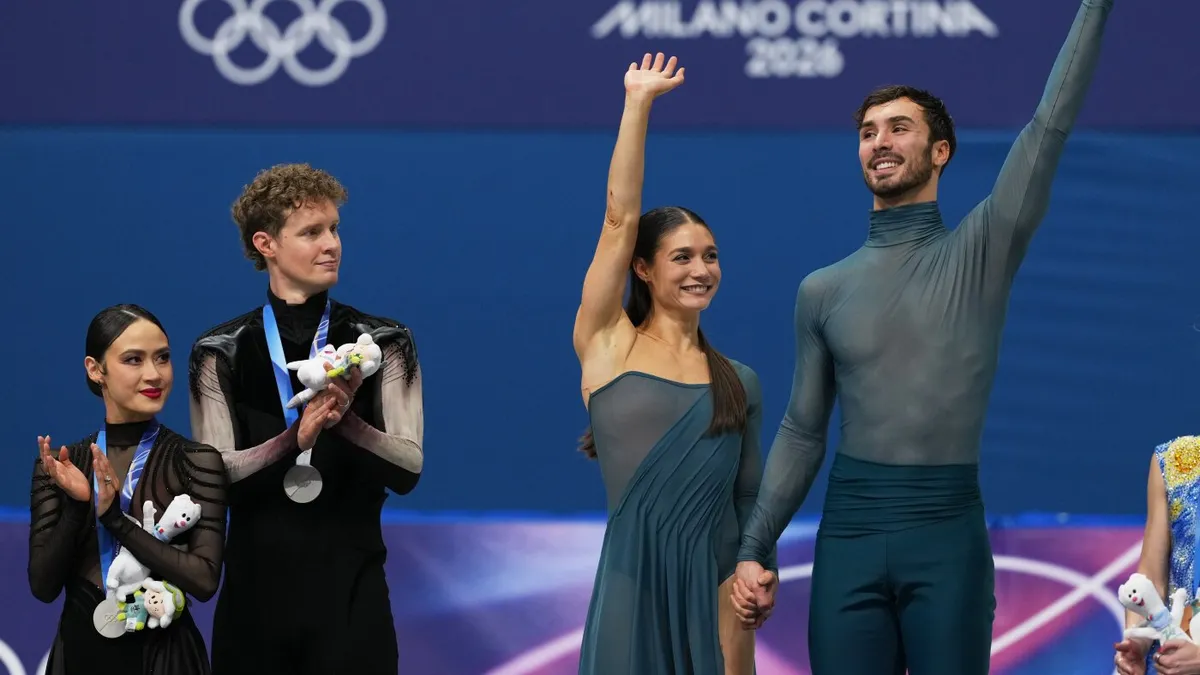
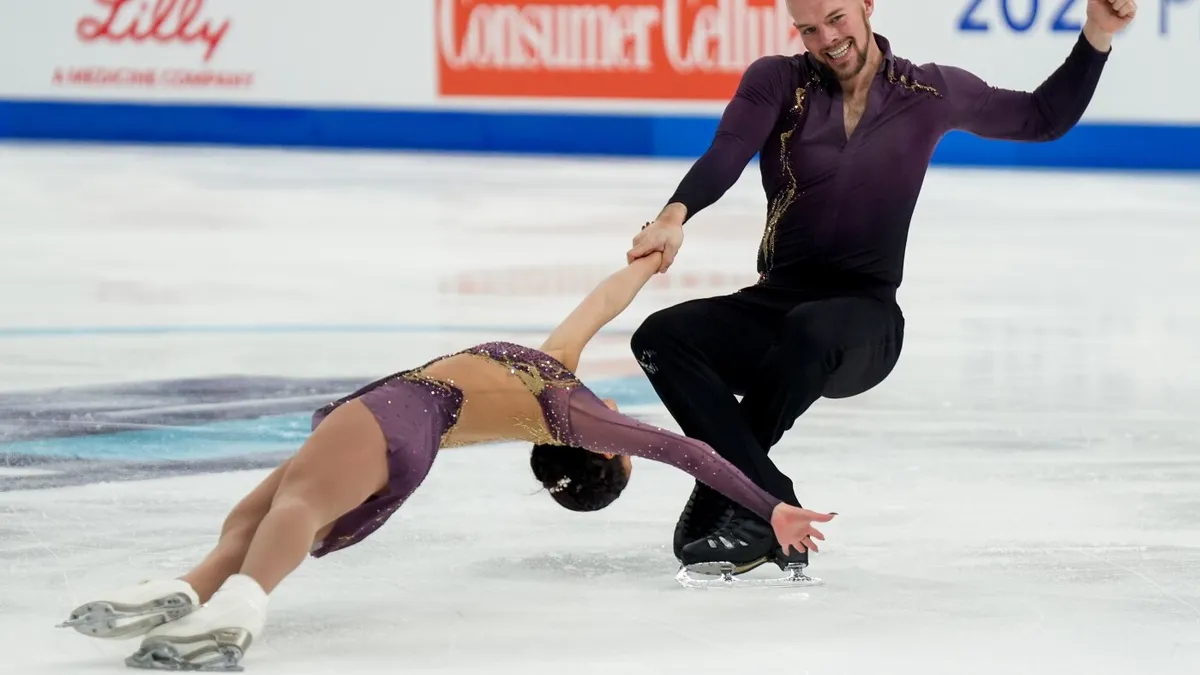
At the 2026 U.S. Figure Skating Championships in St. Louis, both things were on full display. Ellie Kam and Danny O'Shea, a pairs team that arrived as relative newcomers to the competitive circuit, faced their share of skepticism. But in the pairs short program, they skated past the doubts and landed on the silver medal. It's the kind of result that sounds simple until you understand what pairs skating actually demands: perfect synchronization, absolute trust, and the ability to make something technically brutal look effortless.
But the story that stayed with observers was Maxim Naumov's. He returned to nationals for the first time since losing both his parents in a plane crash—a loss that could reasonably end a competitive career before it truly begins. Instead, he skated. He competed. He won bronze in the men's finals. In a sport where you're literally alone on the ice, executing movements that require years of muscle memory and mental precision, Naumov showed up anyway. That's not inspiration in the greeting-card sense. That's just what resilience looks like when it's quiet and determined.
We're a new kind of news feed.
Regular news is designed to drain you. We're a non-profit built to restore you. Every story we publish is scored for impact, progress, and hope.
Start Your News DetoxThe championships also showcased the breadth of who skates now. Alysa Liu, Amber Glenn, Starr Andrews—each bringing their own style and power to the ice. And then there was the ice dance duo of Christina Carreira and Anthony Ponomarenko, moving together with the kind of synchronization that makes you forget you're watching two separate humans.
What struck everyone there—from the volunteers to the commentators to the newcomers in the stands—was how the community held all of this at once. The intensity. The artistry. The genuine support for skaters you're competing against. It's a rare thing in elite sports, and it's worth noticing.
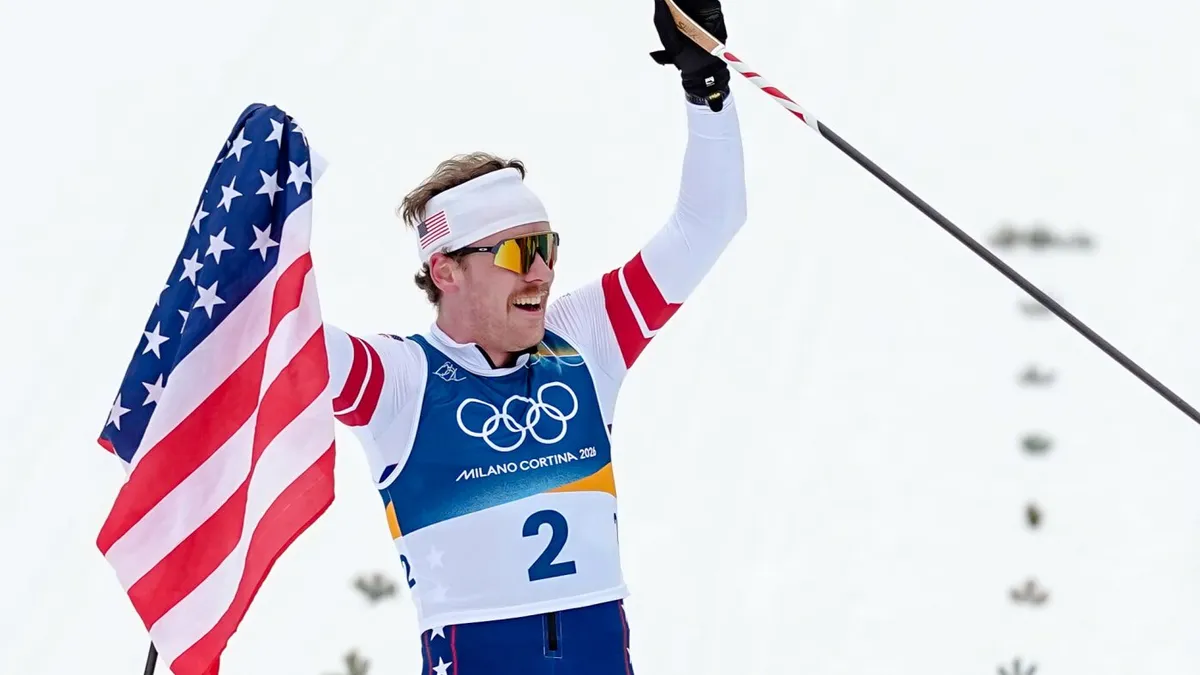
As the figure skating world turns toward the 2026 Winter Olympics in Milan, these nationals served as a reminder that the sport isn't just about who lands the hardest jump. It's about who shows up, who trusts their partner, and who keeps moving forward even when the weight of loss is heavier than any technical difficulty.