A simple shift in language might be one of the most underrated tools in the climate toolkit. Researchers at the University of British Columbia tested what happens when you stop telling people what to give up and start telling them what to gain instead.
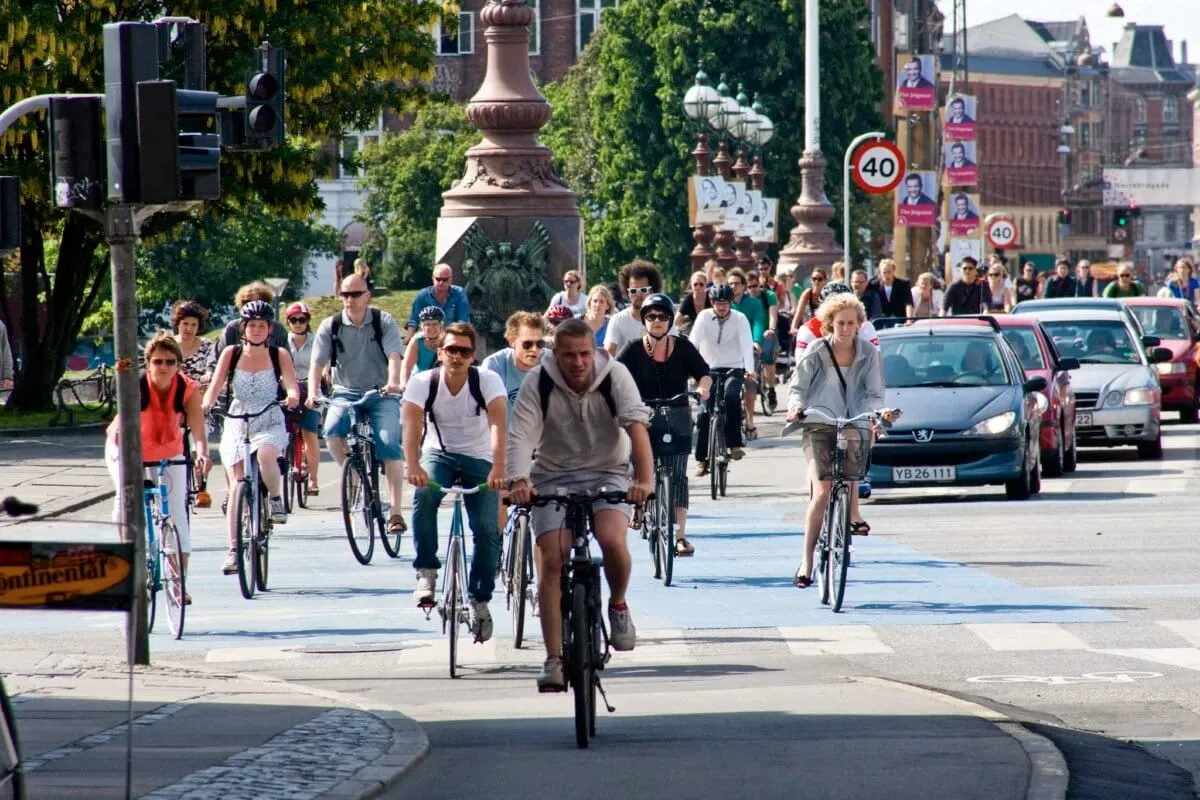
The difference is striking. When over 1,500 people were asked about environmental actions framed as "do more good" — increase your use of reusable products, ride your bike more often — they were significantly more likely to say they'd actually do it. The same actions framed as "do less bad" — decrease single-use products, drive less — got a weaker response. People also expected to feel happier about the positive framing.
"Eating more plants, or using active transport like walking or biking has actually been shown to boost happiness among people," explains Jade Radke, the study's lead author. This matters because climate messaging has traditionally leaned hard into sacrifice. The implicit message: you have to suffer a little to save the planet. But the research suggests that's backwards.
We're a new kind of news feed.
Regular news is designed to drain you. We're a non-profit built to restore you. Every story we publish is scored for impact, progress, and hope.
Start Your News DetoxWhen you reframe the same action as something that improves your life — more time outdoors on a bike, better meals, less clutter from packaging — people don't just say they're more willing to do it. They expect it to make them happier. That's not a small psychological shift. Anticipating that something will feel good is often the difference between intention and action.
The study tested this across multiple behaviors: reusable products, active transport, plant-based eating, and energy conservation. The pattern held consistently. Positive framing moved the needle on both likelihood and expected well-being.
What makes this finding useful is that it's not about the actions themselves — it's about how we talk about them. The climate crisis is real and urgent, but the messaging strategy that worked in 2010 might not work now. People are tired. They're skeptical of guilt-based appeals. They want to know what's actually in it for them, not just what they're supposed to sacrifice.
This doesn't mean ignoring the stakes. It means pairing the urgency with the upside. Yes, we need to reduce emissions. And yes, the life that emerges from that transition — more walkable neighborhoods, cleaner air, time outside, food that tastes better — is genuinely worth wanting.
The implication for climate campaigns, corporate messaging, and everyday conversations is clear: stop leading with loss. Lead with what people actually want — health, community, a home that feels good to live in — and the climate action follows.