Europe just made a bet on a technology that could help it recycle more plastic — but environmentalists worry it's betting on the wrong horse.
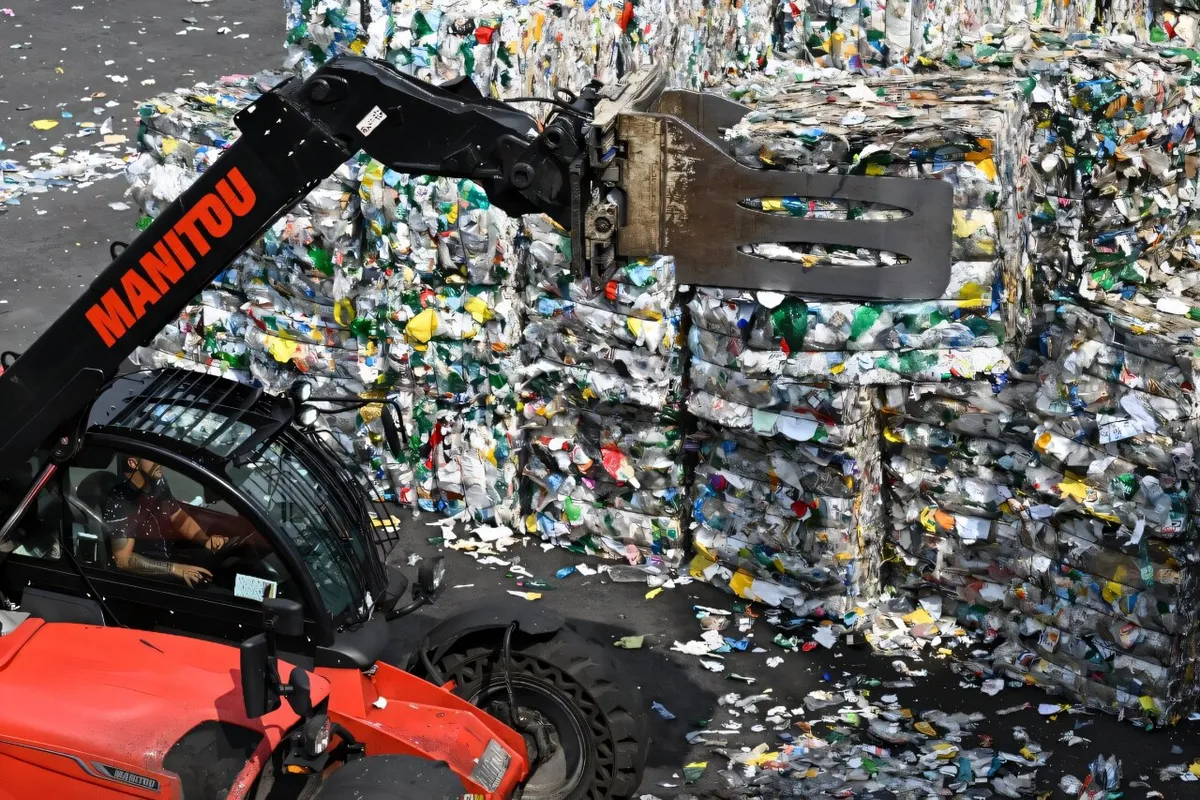
EU member states voted this week to let chemically recycled plastic count toward mandatory recycling targets for single-use bottles. Starting now, bottles need to contain at least 25% recycled content, climbing to 30% by 2030. Until now, only mechanically recycled plastic — the kind made by washing, shredding, and remelting — counted toward those quotas.
Why this matters for the industry
Chemical recycling works differently. It heats plastic to extreme temperatures, breaking it down to its molecular building blocks so it can be reformed into new material. The European Commission sees this as a lifeline for the continent's struggling recycling sector, which is being undercut by cheap virgin plastics flooding in from Asia and elsewhere. The technology also promises to handle tricky packaging that mechanical recycling can't touch — like multilayered yoghurt containers — turning waste streams into usable material.
We're a new kind of news feed.
Regular news is designed to drain you. We're a non-profit built to restore you. Every story we publish is scored for impact, progress, and hope.
Start Your News Detox"This gives the plastics industry consistent rules to calculate, verify and report recycled content," said Anna-Kaisa Itkonen, a spokeswoman for the European Commission. For manufacturers, clarity matters. They can now invest in infrastructure knowing the rules won't shift beneath them.
But here's where the story gets complicated. Environmental groups are sounding an alarm. Chemical recycling is energy-intensive — it requires heating plastic to hundreds of degrees, which typically means burning fossil fuels. It's also more polluting than mechanical recycling at every stage. Zero Waste Europe called the vote a "dangerous precedent for greenwashing," arguing that by making chemical recycling count toward targets, the EU is giving companies a reason to keep producing more plastic rather than actually reducing consumption.
A European Commission source acknowledged the tension, noting "strong pressure from industry" behind the decision and admitting that "at the industrial level, we're not there yet" — meaning the technology hasn't matured enough to work at scale without heavy environmental costs.
The vote reflects a real dilemma facing Europe's circular economy ambitions. Mechanical recycling alone can't handle the volume and variety of plastic waste being produced. Chemical recycling could unlock new possibilities. But it could also become an excuse to keep the plastic cycle spinning without ever breaking it.
What happens next depends on whether chemical recycling technology actually improves — and whether Europe's regulators stay willing to call out greenwashing when they see it.