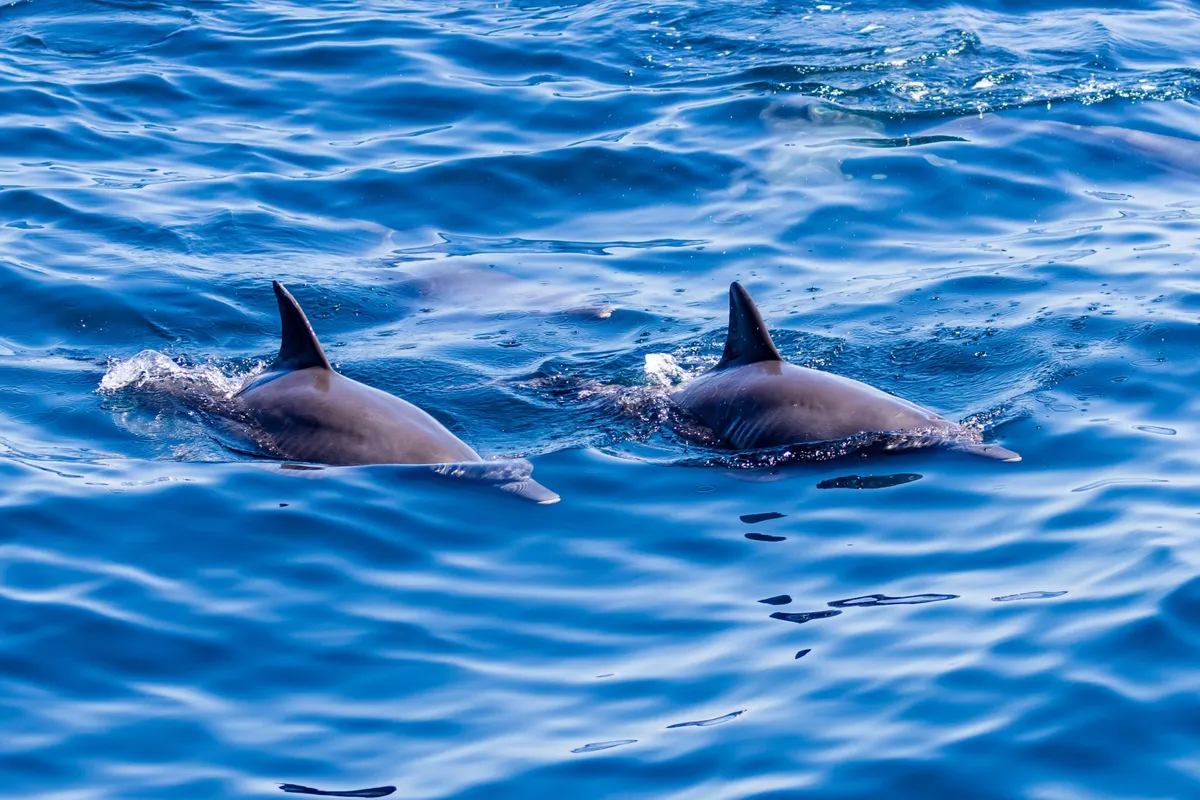
Every January, the Bay of Biscay turns deadly. Dolphins migrate into the region just as fishing season peaks, and hundreds end up tangled in nets, washing ashore on French and Spanish coasts bearing the scars of accidental capture. It's been happening for years—a predictable tragedy that seemed almost inevitable.
But something shifted this winter. The European Commission just announced it will reinstate a seasonal fishing ban starting January 22, 2026, running through February 20. Vessels over eight metres will be blocked from operating in the bay during those weeks. The reason is straightforward: it works. Dolphin mortality dropped significantly in 2025 when the same ban was in place, and the data is now driving policy.
"This isn't just theory—it's evidence-based policy," one official involved in the decision noted. For researchers at PELAGIS, a French marine observatory that has tracked dolphin deaths for years, the move feels like vindication. They've been saying for a long time that reducing fishing pressure during migration periods saves lives. Now the numbers back them up, and Europe is listening.
We're a new kind of news feed.
Regular news is designed to drain you. We're a non-profit built to restore you. Every story we publish is scored for impact, progress, and hope.
Start Your News DetoxThe Cost and How It's Being Managed
The ban will affect roughly 300 vessels across EU member states—mostly small and medium-scale fisheries that depend on winter catches. That's real money, real livelihoods disrupted. The Commission isn't pretending otherwise. Impacted fishers will be eligible for compensation through the European Maritime, Fisheries and Aquaculture Fund, along with potential national aid. The calculation is blunt: conservation has a cost, and it should be paid by the system, not by people already working thin margins.
This is the third consecutive winter the EU has applied this type of closure. What's different now is the conversation around it. Previous years brought uncertainty and pushback. Now there's data, and data changes things.
Beyond the Ban
The seasonal closure isn't the whole story. Pingers—acoustic devices that emit sound to warn dolphins away from nets—are already required on certain vessels year-round. Monitoring programs are expanding, with on-board observers and video cameras now tracking interactions between marine life and fishing gear. These measures embed safeguards into everyday operations, so protection doesn't depend entirely on shutting down fishing for a few weeks.
It's a pragmatic approach: acknowledge the urgency of wildlife conservation, respect the realities of the fishing industry, and build a system that works for both. Limit fishing during peak risk periods. Offer financial support. Expand oversight. No single tool solves the problem, but the combination is working.
Dolphins are already responding to that lifeline. As 2026 approaches, the question shifts from whether this ban will happen to whether it might become a permanent fixture—or even a model other regions adopt when their own marine life faces similar seasonal dangers.